THE ADVENTURE COLLECTIVE® · Independent discovery and booking for outdoor travel

A private van shuttles you from Tokyo into the shadow of Mt. Fuji, stopping at Kawaguchi’s mirror-like shore, the steaming vents of Owakudani and the Hakone Ropeway above Lake Ashinoko. This 8–10 hour day blends geology, ritual and practical sightseeing for travelers who want maximum payoff with minimum transit hassle.
A private van shuttles you from Tokyo into the shadow of Mt. Fuji, stopping at Kawaguchi’s mirror-like shore, the steaming vents of Owakudani and the Hakone Ropeway above Lake Ashinoko. This 8–10 hour day blends geology, ritual and practical sightseeing for travelers who want maximum payoff with minimum transit hassle.
You step into the van in Tokyo before dawn and the city peels away into highway light. The silhouette of Mt. Fuji first appears as a pale cone on the horizon, then grows taller and clearer as the van climbs toward Lake Kawaguchi. Morning mist lifts off the lake; the mountain seems to be testing your patience, revealing itself in chapters. By midmorning you’re parked at a waterfront viewpoint where the air tastes like cold spring water and photographers line the shore aiming for a flawless reflection.
Verified experiences and guided adventures in the surrounding area.
Operated by AirNet Travel · Fujikawaguchiko, Yamanashi
You step into the van in Tokyo before dawn and the city peels away into highway light. The silhouette of Mt. Fuji first appears as a pale cone on the horizon, then grows taller and clearer as the van climbs toward Lake Kawaguchi. Morning mist lifts off the lake; the mountain seems to be testing your patience, revealing itself in chapters. By midmorning you’re parked at a waterfront viewpoint where the air tastes like cold spring water and photographers line the shore aiming for a flawless reflection.
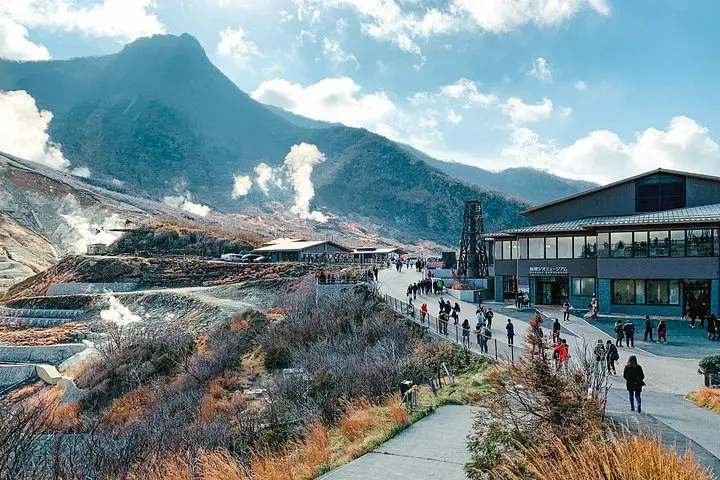
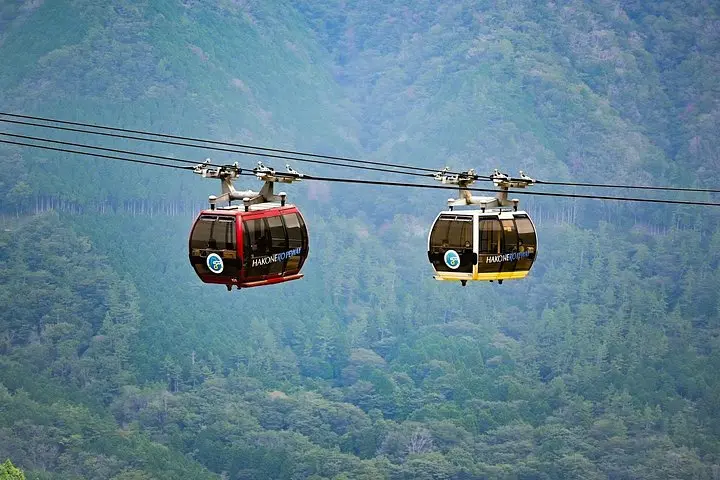
This private, full-day loop stitches together Lake Kawaguchi, a Mount Fuji overlook, the steaming vents of Owakudani, the Hakone Ropeway and the crater-laced calm of Lake Ashinoko. The region’s story is volcanic and human: Fuji’s perfect cone is an active stratovolcano that has shaped local religion, art and pilgrimage for centuries. Hakone’s caldera and sulfurous springs were formed by eruptions and the slow collapse of earth; the ropeway traverses a landscape still breathing heat and steam.
Culturally, the route reveals a Japan beyond the neon. Kawaguchiko town has ryokans and cafés selling houtou noodles; vendors at Owakudani offer kuro-tamago—eggs blackened by volcanic sulfur reputed to add seven years to your life. Along Lake Ashinoko the long-standing symbol is the red torii gate of Hakone Shrine, an elegant reminder that these waters are sacred and have guided travelers since the Edo era.
Practicalities shape the day as much as scenery. Expect an 8–10 hour outing with extensive driving—roughly 200–250 km round-trip from central Tokyo depending on pick-up location and traffic. Elevated spots like Owakudani and Kawaguchi sit between 700–1,100 m; temperatures can be 5–10°C cooler than Tokyo, and clouds around Fuji are common. The ropeway ride offers dramatic angles but has lines during peak seasons; admission and any boat rides on Lake Ashinoko are usually separate.
Plan for variable weather: layers, windproof shell and sturdy shoes for short walks and steps. Bring water and snacks; the private van adds flexibility, but toilet stops are intermittent outside major towns. Early starts increase the chance of a clear Fuji view; afternoons can cloud over, especially in summer. If you want the iconic mirror shot, ask your driver for a longer stop at Kawaguchi’s north shore.
For travelers who want beauty without the scramble of public transit, this tour compresses the essentials—geology, ritual, and vistas—into a single, manageable day. It’s an efficient way to let Mt. Fuji and Hakone do what they do best: make quiet demands on your attention and reward you with scenery that lingers long after the ride home.
The tour runs approximately 8–10 hours with hotel or meeting-point pickup anywhere in Tokyo’s 23 wards; exact times depend on traffic and the pickup location.
Yes—each stop includes time to disembark and take short walks or visit viewpoints; longer hikes or summit attempts are not part of this itinerary.
Ropeway admission is typically not included—confirm with the operator and bring cash or card for any tickets not covered by the tour price.
You’ll get closer views from Lake Kawaguchi and elevated spots like Owakudani; Tokyo offers distant views on exceptionally clear days but this tour maximizes your odds of good Fuji sightings.
Infants and small children are accommodated (strollers allowed) and service animals are permitted; check seat and safety arrangements when booking.
The cancellation policy allows a full refund if you cancel at least 24 hours before departure; drivers may adjust stops if visibility is poor but bad-weather cancellations depend on operator guidelines.
AirNet Travel operates guided outdoor trips and adventures with an emphasis on safety, stewardship, and memorable experiences.
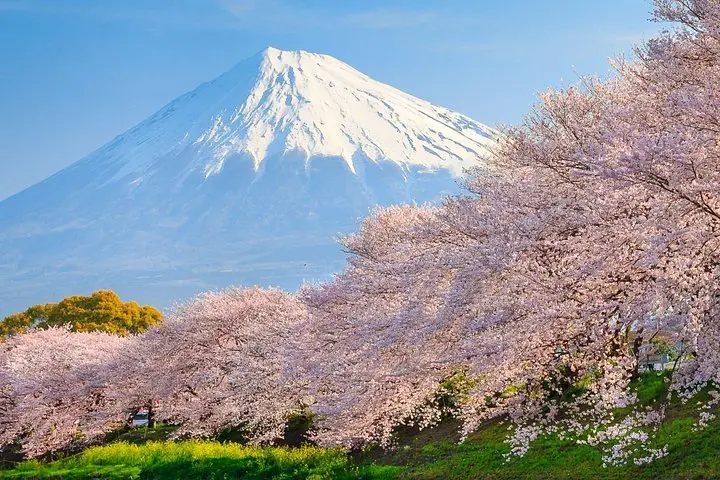
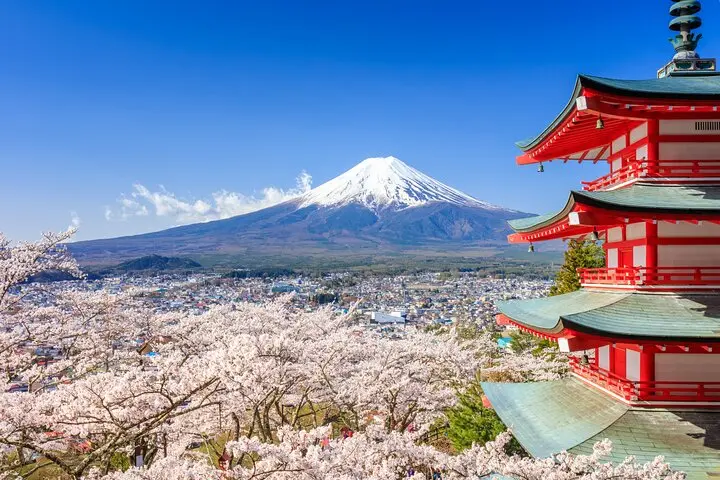
You step into the van in Tokyo before dawn and the city peels away into highway light. The silhouette of Mt. Fuji first appears as a pale cone on the horizon, then grows taller and clearer as the van climbs toward Lake Kawaguchi. Morning mist lifts off the lake; the mountain seems to be testing your patience, revealing itself in chapters. By midmorning you’re parked at a waterfront viewpoint where the air tastes like cold spring water and photographers line the shore aiming for a flawless reflection.
You step into the van in Tokyo before dawn and the city peels away into highway light. The silhouette of Mt. Fuji first appears as a pale cone on the horizon, then grows taller and clearer as the van climbs toward Lake Kawaguchi. Morning mist lifts off the lake; the mountain seems to be testing your patience, revealing itself in chapters. By midmorning you’re parked at a waterfront viewpoint where the air tastes like cold spring water and photographers line the shore aiming for a flawless reflection.
This private, full-day loop stitches together Lake Kawaguchi, a Mount Fuji overlook, the steaming vents of Owakudani, the Hakone Ropeway and the crater-laced calm of Lake Ashinoko. The region’s story is volcanic and human: Fuji’s perfect cone is an active stratovolcano that has shaped local religion, art and pilgrimage for centuries. Hakone’s caldera and sulfurous springs were formed by eruptions and the slow collapse of earth; the ropeway traverses a landscape still breathing heat and steam.
Culturally, the route reveals a Japan beyond the neon. Kawaguchiko town has ryokans and cafés selling houtou noodles; vendors at Owakudani offer kuro-tamago—eggs blackened by volcanic sulfur reputed to add seven years to your life. Along Lake Ashinoko the long-standing symbol is the red torii gate of Hakone Shrine, an elegant reminder that these waters are sacred and have guided travelers since the Edo era.
Practicalities shape the day as much as scenery. Expect an 8–10 hour outing with extensive driving—roughly 200–250 km round-trip from central Tokyo depending on pick-up location and traffic. Elevated spots like Owakudani and Kawaguchi sit between 700–1,100 m; temperatures can be 5–10°C cooler than Tokyo, and clouds around Fuji are common. The ropeway ride offers dramatic angles but has lines during peak seasons; admission and any boat rides on Lake Ashinoko are usually separate.
Plan for variable weather: layers, windproof shell and sturdy shoes for short walks and steps. Bring water and snacks; the private van adds flexibility, but toilet stops are intermittent outside major towns. Early starts increase the chance of a clear Fuji view; afternoons can cloud over, especially in summer. If you want the iconic mirror shot, ask your driver for a longer stop at Kawaguchi’s north shore.
For travelers who want beauty without the scramble of public transit, this tour compresses the essentials—geology, ritual, and vistas—into a single, manageable day. It’s an efficient way to let Mt. Fuji and Hakone do what they do best: make quiet demands on your attention and reward you with scenery that lingers long after the ride home.