THE ADVENTURE COLLECTIVE® · Independent discovery and booking for outdoor travel

Drive out of Tokyo for a private, fully customizable day with the perfect Fuji frame: pagoda viewpoints, spring-fed Oshino Hakkai, a Hakone Ropeway over volcanic steam and a Lake Ashi cruise. Here’s what to expect and how to plan for the best views.
Drive out of Tokyo for a private, fully customizable day with the perfect Fuji frame: pagoda viewpoints, spring-fed Oshino Hakkai, a Hakone Ropeway over volcanic steam and a Lake Ashi cruise. Here’s what to expect and how to plan for the best views.
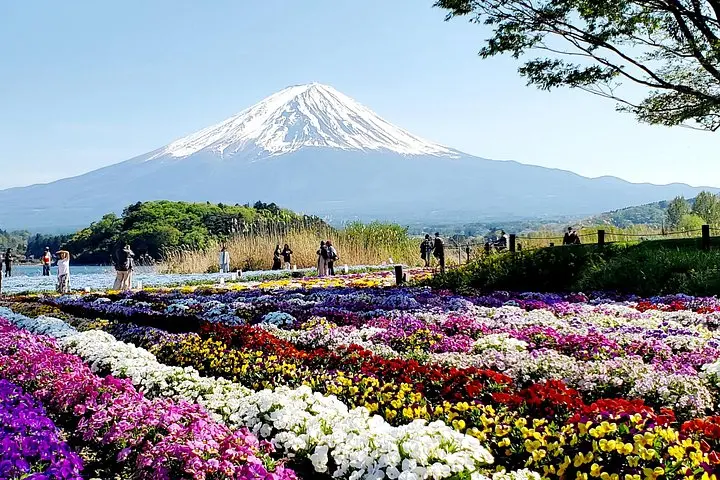
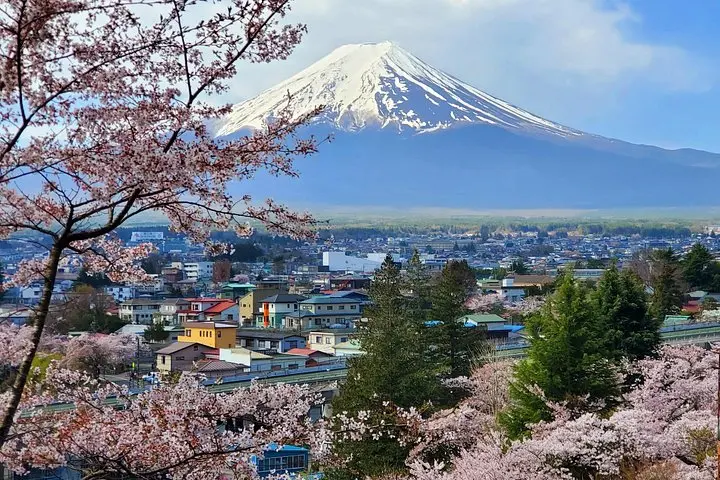
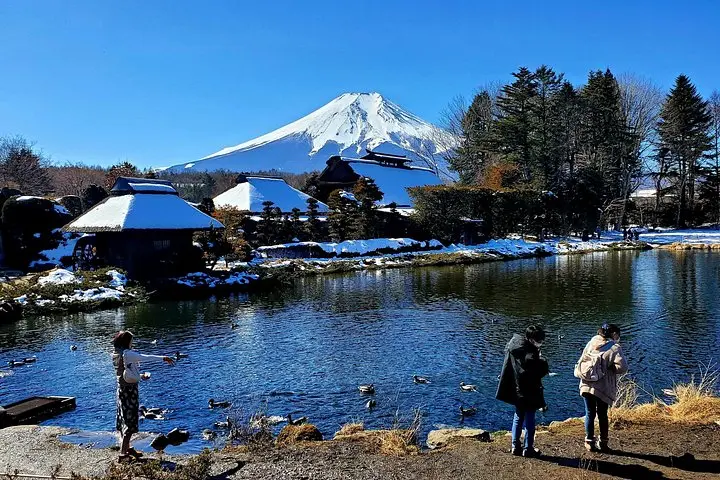
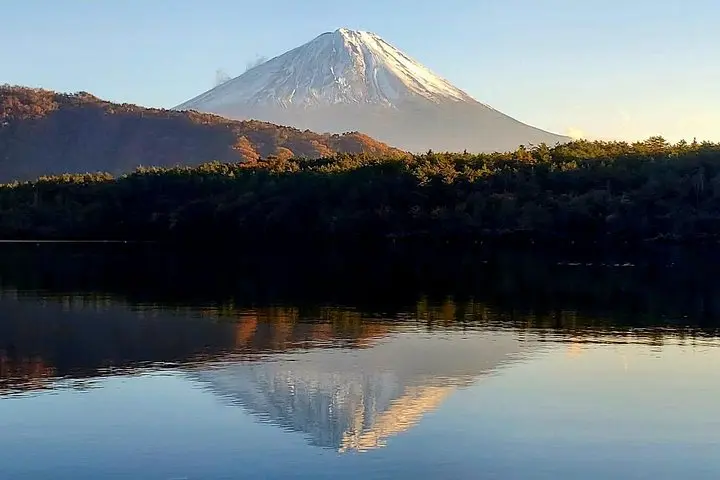
You step out of the van at dawn and the air is thin and cool; a cloud cap clings to the summit like a challenge. For ten hours the highway unwinds from Tokyo’s glass towers into a landscape that tightens and then opens—rice paddies, cedar forests, and finally the clean, triangular face of Mount Fuji dominating the horizon.
Verified experiences and guided adventures in the surrounding area.
Operated by Xplor Japan · Hakone, Kanagawa
You step out of the van at dawn and the air is thin and cool; a cloud cap clings to the summit like a challenge. For ten hours the highway unwinds from Tokyo’s glass towers into a landscape that tightens and then opens—rice paddies, cedar forests, and finally the clean, triangular face of Mount Fuji dominating the horizon.
This private, customizable tour stitches together two of Honshu’s most theatrical neighbors: Mount Fuji and the Hakone region. It’s less a single hike and more a guided choreography—photo stops at the Chureito Pagoda viewpoint or Fuji 5th Station (on request), a stroll through the clear spring pools of Oshino Hakkai, a ropeway ride over volcanic steam at Owakudani, and a placid cruise across Lake Ashi where the breeze teases the surface like an invitation.
Geologically, the route reads like a short course in fire and water. Fuji is a young stratovolcano—its last major eruption in 1707 (the Hoei eruption) left ash on Edo, the old Tokyo. Hakone, by contrast, is a collapsed caldera with persistent geothermal activity; the sulfur-scented vents in Owakudani are the visible breath of an area still settling after violent episodes long ago.
Culturally the day leans Japanese: Shinto shrines tucked into pines, the lacquered torii of Hakone Shrine that leans toward the lake, and small, family-run stalls where you can try black-sulfur eggs boiled in Owakudani’s hot springs. An English-speaking guide brings context—place names, festival notes (cherry blossom windows are busy), and the local etiquette that makes a visit smoother and richer.
Practical guide: the full experience runs about 10 hours door-to-door with pickup in Tokyo’s 23 wards (allow 60–90 minutes each way in good traffic). The tour is private, with an air-conditioned vehicle, parking, and tolls included; small admission fees and ropeway/cruise tickets are typically extra. Views of Fuji are weather-dependent—clear morning skies are your best bet. Wear layers (it can be much colder near the summit) and decent walking shoes for uneven village paths and boardwalks.
Timing and shots: aim for early light at Chureito or Oshino Hakkai; Lake Ashi favors late afternoon if you want mirrored reflections. Bring cash for small museum fees (~300 yen) and a charged phone for the guide’s WhatsApp updates on pickup. If you want the Mt. Fuji 5th Station added, request it ahead—road access and seasonality apply.
By the end of the day you’ll have sampled Fuji’s stoic presence, Hakone’s geothermal drama, and a string of seaside-silent lakes and shrines—an efficient, sensory-rich slice of Japan delivered with local knowledge and private comfort.
Yes—pickup is offered within Tokyo’s 23 wards; the operator contacts you by WhatsApp the day before to confirm pickup location and live meet-up details.
Yes—visiting the 5th Station is possible on request, but it can add driving time and depends on seasonal road access and weather; request in advance.
Private transport, parking and an English-speaking guide are included; ropeway tickets, the Lake Ashi cruise and museum admissions are usually extra unless otherwise noted.
Early morning or late afternoon on clear days gives the best chance; winter mornings often have the clearest air but are colder.
Yes—the tour is rated easy in logistics and suitable for most fitness levels; there’s minimal strenuous walking but do note time in the vehicle and some uneven surfaces.
The tour can be canceled for a full refund up to 24 hours before departure if poor weather affects safety or visibility; operators also monitor conditions day-of.
Xplor Japan operates guided outdoor trips and adventures with an emphasis on safety, stewardship, and memorable experiences.
You step out of the van at dawn and the air is thin and cool; a cloud cap clings to the summit like a challenge. For ten hours the highway unwinds from Tokyo’s glass towers into a landscape that tightens and then opens—rice paddies, cedar forests, and finally the clean, triangular face of Mount Fuji dominating the horizon.
You step out of the van at dawn and the air is thin and cool; a cloud cap clings to the summit like a challenge. For ten hours the highway unwinds from Tokyo’s glass towers into a landscape that tightens and then opens—rice paddies, cedar forests, and finally the clean, triangular face of Mount Fuji dominating the horizon.
This private, customizable tour stitches together two of Honshu’s most theatrical neighbors: Mount Fuji and the Hakone region. It’s less a single hike and more a guided choreography—photo stops at the Chureito Pagoda viewpoint or Fuji 5th Station (on request), a stroll through the clear spring pools of Oshino Hakkai, a ropeway ride over volcanic steam at Owakudani, and a placid cruise across Lake Ashi where the breeze teases the surface like an invitation.
Geologically, the route reads like a short course in fire and water. Fuji is a young stratovolcano—its last major eruption in 1707 (the Hoei eruption) left ash on Edo, the old Tokyo. Hakone, by contrast, is a collapsed caldera with persistent geothermal activity; the sulfur-scented vents in Owakudani are the visible breath of an area still settling after violent episodes long ago.
Culturally the day leans Japanese: Shinto shrines tucked into pines, the lacquered torii of Hakone Shrine that leans toward the lake, and small, family-run stalls where you can try black-sulfur eggs boiled in Owakudani’s hot springs. An English-speaking guide brings context—place names, festival notes (cherry blossom windows are busy), and the local etiquette that makes a visit smoother and richer.
Practical guide: the full experience runs about 10 hours door-to-door with pickup in Tokyo’s 23 wards (allow 60–90 minutes each way in good traffic). The tour is private, with an air-conditioned vehicle, parking, and tolls included; small admission fees and ropeway/cruise tickets are typically extra. Views of Fuji are weather-dependent—clear morning skies are your best bet. Wear layers (it can be much colder near the summit) and decent walking shoes for uneven village paths and boardwalks.
Timing and shots: aim for early light at Chureito or Oshino Hakkai; Lake Ashi favors late afternoon if you want mirrored reflections. Bring cash for small museum fees (~300 yen) and a charged phone for the guide’s WhatsApp updates on pickup. If you want the Mt. Fuji 5th Station added, request it ahead—road access and seasonality apply.
By the end of the day you’ll have sampled Fuji’s stoic presence, Hakone’s geothermal drama, and a string of seaside-silent lakes and shrines—an efficient, sensory-rich slice of Japan delivered with local knowledge and private comfort.