THE ADVENTURE COLLECTIVE® · Independent discovery and booking for outdoor travel

Spend a day outside Tokyo visiting iconic Fuji views: Lake Kawaguchi, Lake Yamanaka, Oshino Hakkai and the Chureito Pagoda. This guided day trip blends easy lakeside strolls with a short stair climb and multiple photo stops for classic Mount Fuji panoramas.
Spend a day outside Tokyo visiting iconic Fuji views: Lake Kawaguchi, Lake Yamanaka, Oshino Hakkai and the Chureito Pagoda. This guided day trip blends easy lakeside strolls with a short stair climb and multiple photo stops for classic Mount Fuji panoramas.
You step off the coach into a dry, cold air and Mount Fuji fills the horizon—an austere cone capped with cloud. Around you, Lake Kawaguchi’s surface quivers and, on still mornings, throws back a perfect upside-down Fuji. The day moves as a sequence of framed views: stately pagoda steps, shorelines where swans glide, and spring-fed ponds whose water runs astonishingly clear.
Verified experiences and guided adventures in the surrounding area.
Operated by F Trip · Fujikawaguchiko, Yamanashi
You step off the coach into a dry, cold air and Mount Fuji fills the horizon—an austere cone capped with cloud. Around you, Lake Kawaguchi’s surface quivers and, on still mornings, throws back a perfect upside-down Fuji. The day moves as a sequence of framed views: stately pagoda steps, shorelines where swans glide, and spring-fed ponds whose water runs astonishingly clear.
The route threads through sites tied to Fujisan’s cultural role: Chureito Pagoda, a modern 20th‑century monument with a shrine below that traces local worship back over a millennium; Oshino Hakkai’s eight ponds, filtered through lava for decades; and Lake Yamanaka, the largest of the Fuji Five Lakes used historically for fishing and pilgrimage. Geologically, the area owes its soils and springs to repeated volcanic layering from Fuji’s eruptions; the porous lava acts as a slow water filter, giving the ponds their clarity.
Culturally, this is rural Yamanashi—small shops, clockmakers, and shrines that meet a steady stream of photographers. Expect short walks and one steep climb (Chureito’s 398 steps) rather than long hikes; the day is sightseeing with accessible walking. Practical planning: leave Tokyo early, wear comfortable walking shoes, and layer for rapid temperature shifts—it can be 5–10°C colder at the lakes than in the city. Bring a water bottle and small cash for local snacks; some villages have limited card acceptance. If you want the classic composition—pagoda, blossoms, and Fuji—aim for clear weather and mid-morning light. Finally, respect local sites: stay on paths at Oshino Hakkai and don’t feed wildlife. This loop is a compact introduction to Fuji’s natural and cultural landscape—visual, quick, and richly textured.
The tour is about 10 hours round-trip and departs from a designated meeting point at JR Tokyo Station (Shin-Marunouchi Building, near the BEAMS sign).
Yes—short walks are stroller-accessible, but the Chureito Pagoda viewpoint requires climbing stairs and is not stroller-friendly.
Visibility depends on weather—Fuji is often hidden by clouds or haze; winter and clear mornings give the best chances, but no guarantee is possible.
Yes—there are local shops, snack stands and small restaurants at Kawaguchiko and near Oshino Hakkai; bring small cash for purchases.
F Trip operates guided outdoor trips and adventures with an emphasis on safety, stewardship, and memorable experiences.
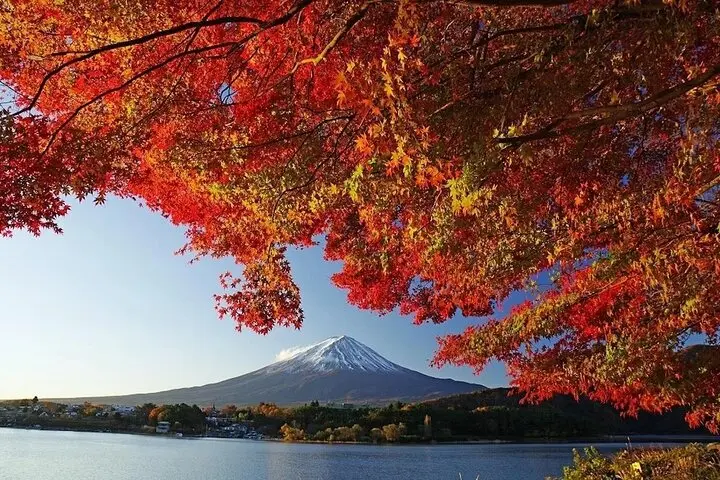
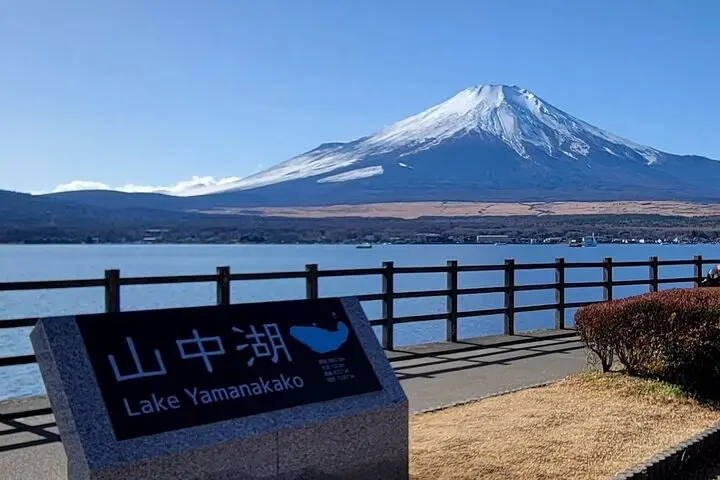
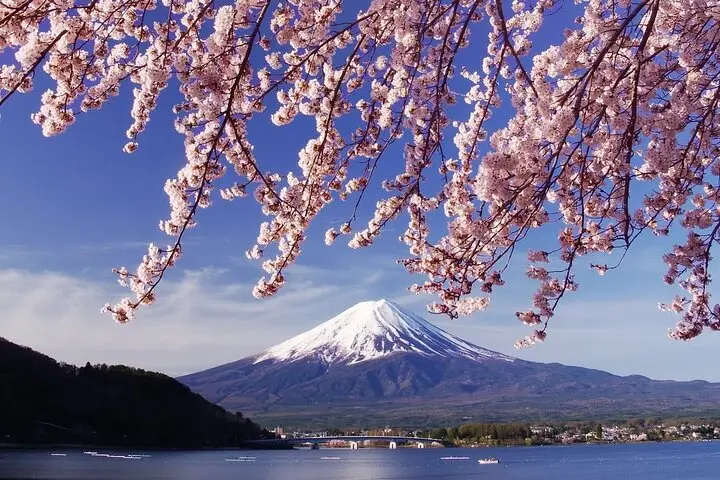
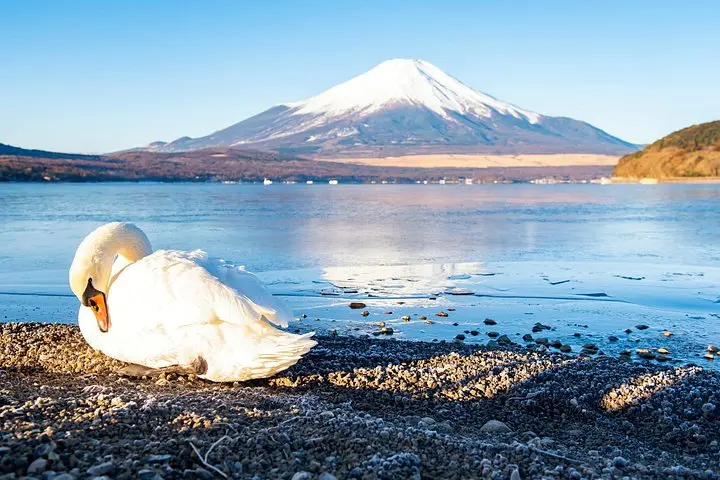
You step off the coach into a dry, cold air and Mount Fuji fills the horizon—an austere cone capped with cloud. Around you, Lake Kawaguchi’s surface quivers and, on still mornings, throws back a perfect upside-down Fuji. The day moves as a sequence of framed views: stately pagoda steps, shorelines where swans glide, and spring-fed ponds whose water runs astonishingly clear.
You step off the coach into a dry, cold air and Mount Fuji fills the horizon—an austere cone capped with cloud. Around you, Lake Kawaguchi’s surface quivers and, on still mornings, throws back a perfect upside-down Fuji. The day moves as a sequence of framed views: stately pagoda steps, shorelines where swans glide, and spring-fed ponds whose water runs astonishingly clear.
The route threads through sites tied to Fujisan’s cultural role: Chureito Pagoda, a modern 20th‑century monument with a shrine below that traces local worship back over a millennium; Oshino Hakkai’s eight ponds, filtered through lava for decades; and Lake Yamanaka, the largest of the Fuji Five Lakes used historically for fishing and pilgrimage. Geologically, the area owes its soils and springs to repeated volcanic layering from Fuji’s eruptions; the porous lava acts as a slow water filter, giving the ponds their clarity.
Culturally, this is rural Yamanashi—small shops, clockmakers, and shrines that meet a steady stream of photographers. Expect short walks and one steep climb (Chureito’s 398 steps) rather than long hikes; the day is sightseeing with accessible walking. Practical planning: leave Tokyo early, wear comfortable walking shoes, and layer for rapid temperature shifts—it can be 5–10°C colder at the lakes than in the city. Bring a water bottle and small cash for local snacks; some villages have limited card acceptance. If you want the classic composition—pagoda, blossoms, and Fuji—aim for clear weather and mid-morning light. Finally, respect local sites: stay on paths at Oshino Hakkai and don’t feed wildlife. This loop is a compact introduction to Fuji’s natural and cultural landscape—visual, quick, and richly textured.