THE ADVENTURE COLLECTIVE® · Independent discovery and booking for outdoor travel

Spend a day trading Tokyo’s skyline for Mount Fuji’s calm: matcha by Lake Kawaguchi, a climb to Chureito Pagoda for the classic Fuji-and-pagoda shot, and an afternoon of outlet shopping with mountain views. This coach tour blends cultural touchpoints and scenic stops into one full-day itinerary.
Spend a day trading Tokyo’s skyline for Mount Fuji’s calm: matcha by Lake Kawaguchi, a climb to Chureito Pagoda for the classic Fuji-and-pagoda shot, and an afternoon of outlet shopping with mountain views. This coach tour blends cultural touchpoints and scenic stops into one full-day itinerary.
A diesel coach eases out of Shinjuku as dawn pools behind the high-rises and, an hour later, the silhouette of Mount Fuji appears—high, symmetrical, and uncompromising against the sky. The day unfolds with contrasting rhythms: the still glass of Lake Kawaguchi reflecting Fuji’s cone, the measured, ceremonial wrist of a matcha whisk, the climb of 400 stone steps to Chureito Pagoda, and the bustle of outlet lanes under the mountain’s watch.
Verified experiences and guided adventures in the surrounding area.
Operated by Trevopedia Wonders · Fujikawaguchiko, Yamanashi
A diesel coach eases out of Shinjuku as dawn pools behind the high-rises and, an hour later, the silhouette of Mount Fuji appears—high, symmetrical, and uncompromising against the sky. The day unfolds with contrasting rhythms: the still glass of Lake Kawaguchi reflecting Fuji’s cone, the measured, ceremonial wrist of a matcha whisk, the climb of 400 stone steps to Chureito Pagoda, and the bustle of outlet lanes under the mountain’s watch.
Geology here is immediate: Fuji is a stratovolcano shaped by repeated eruptions, its last major event in 1707 leaving a visible ash layer that colored the surrounding soil. Culturally, Fuji has been a pilgrimage site for centuries; the pagoda and shrine at Arakurayama Sengen are modern markers on a long spiritual route. Kawaguchiko’s lakeshore has long been a vantage for artists and photographers, while Gotemba developed as a transport and retail hub thanks to its wide plains and access roads around Fuji’s base.
Practical guidance: this is a full-day, coach-based outing (about 9–10 hours). Bring layers—morning fog and lake-reflected wind can be chilly even in summer—and comfortable shoes for the pagoda’s stairs. Lunch isn’t included; there are cafés at Kawaguchi and food courts at Gotemba. Weather dictates views: clear mornings give the best Fuji photos, while clouds can hide the peak entirely. The tour accommodates wheelchairs for transport but note the pagoda viewpoint requires stair climbing. Expect crowds during cherry blossom and autumn foliage seasons; plan photography stops early in each location to avoid the peak surge.
No—visibility depends on weather. Clear mornings offer the best chance, but clouds, rain or haze can obscure the peak; guides may alter stops accordingly.
No. The tour does not include lunch; there are restaurants at Kawaguchiko and a food court at Gotemba Outlets where you can buy meals.
Transportation and many areas are wheelchair accessible, but the Chureito Pagoda viewpoint requires climbing stairs and is not suitable for wheelchairs.
Only one hand luggage item is allowed on the bus; larger suitcases should be stored at your hotel or paid lockers in Tokyo before departure.
Trevopedia Wonders operates guided outdoor trips and adventures with an emphasis on safety, stewardship, and memorable experiences.

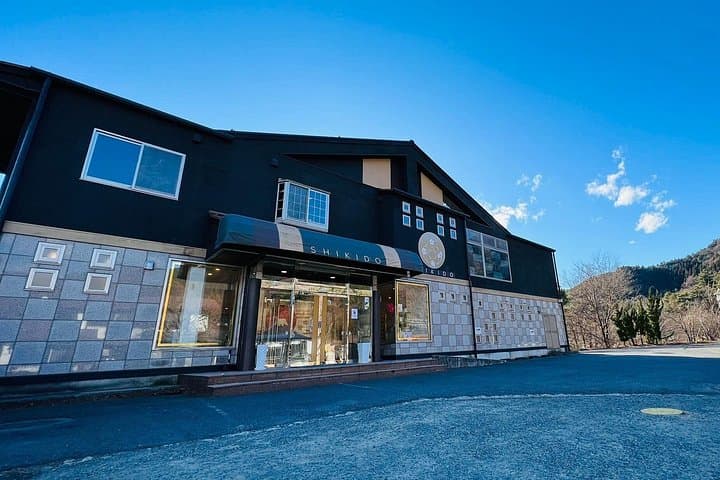
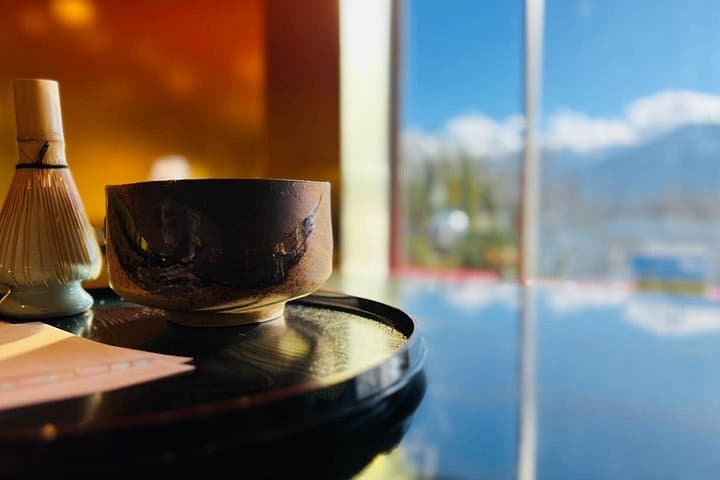
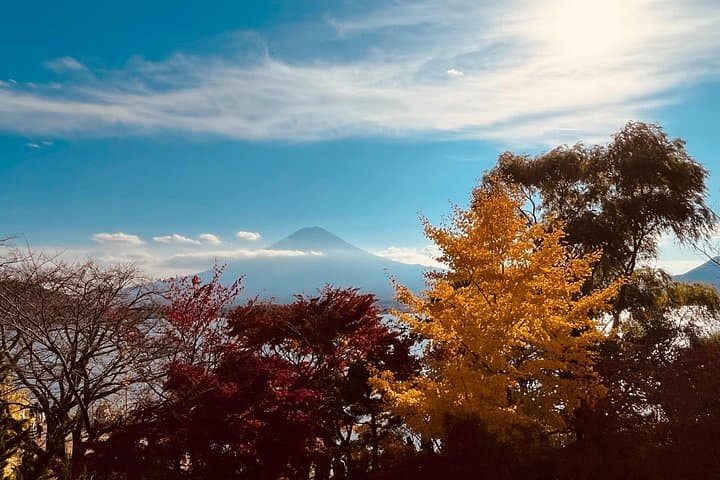
A diesel coach eases out of Shinjuku as dawn pools behind the high-rises and, an hour later, the silhouette of Mount Fuji appears—high, symmetrical, and uncompromising against the sky. The day unfolds with contrasting rhythms: the still glass of Lake Kawaguchi reflecting Fuji’s cone, the measured, ceremonial wrist of a matcha whisk, the climb of 400 stone steps to Chureito Pagoda, and the bustle of outlet lanes under the mountain’s watch.
A diesel coach eases out of Shinjuku as dawn pools behind the high-rises and, an hour later, the silhouette of Mount Fuji appears—high, symmetrical, and uncompromising against the sky. The day unfolds with contrasting rhythms: the still glass of Lake Kawaguchi reflecting Fuji’s cone, the measured, ceremonial wrist of a matcha whisk, the climb of 400 stone steps to Chureito Pagoda, and the bustle of outlet lanes under the mountain’s watch.
Geology here is immediate: Fuji is a stratovolcano shaped by repeated eruptions, its last major event in 1707 leaving a visible ash layer that colored the surrounding soil. Culturally, Fuji has been a pilgrimage site for centuries; the pagoda and shrine at Arakurayama Sengen are modern markers on a long spiritual route. Kawaguchiko’s lakeshore has long been a vantage for artists and photographers, while Gotemba developed as a transport and retail hub thanks to its wide plains and access roads around Fuji’s base.
Practical guidance: this is a full-day, coach-based outing (about 9–10 hours). Bring layers—morning fog and lake-reflected wind can be chilly even in summer—and comfortable shoes for the pagoda’s stairs. Lunch isn’t included; there are cafés at Kawaguchi and food courts at Gotemba. Weather dictates views: clear mornings give the best Fuji photos, while clouds can hide the peak entirely. The tour accommodates wheelchairs for transport but note the pagoda viewpoint requires stair climbing. Expect crowds during cherry blossom and autumn foliage seasons; plan photography stops early in each location to avoid the peak surge.