THE ADVENTURE COLLECTIVE® · Independent discovery and booking for outdoor travel

A private day trip from Tokyo that centers on iconic Fuji views—Chureito Pagoda, Oshino Hakkai’s clear ponds and the lakes of Kawaguchiko—paired with short walks, shrine visits, and local stops. Ideal for photographers and anyone seeking a curated introduction to Mount Fuji’s natural and cultural landscape.
A private day trip from Tokyo that centers on iconic Fuji views—Chureito Pagoda, Oshino Hakkai’s clear ponds and the lakes of Kawaguchiko—paired with short walks, shrine visits, and local stops. Ideal for photographers and anyone seeking a curated introduction to Mount Fuji’s natural and cultural landscape.
You leave Tokyo before sunrise and the highway opens like a corridor toward altitude; the city’s hum thins and Mount Fuji rises into view—white-capped and uncompromising—while your driver navigates toward the first lookout. At Chureito Pagoda you climb a steady flight of steps and the pagoda frames Fuji itself, the mountain behaving differently every hour: shy behind clouds, then suddenly dominant.
Verified experiences and guided adventures in the surrounding area.
Operated by Travel Vibes · Fujikawaguchiko, Yamanashi
You leave Tokyo before sunrise and the highway opens like a corridor toward altitude; the city’s hum thins and Mount Fuji rises into view—white-capped and uncompromising—while your driver navigates toward the first lookout. At Chureito Pagoda you climb a steady flight of steps and the pagoda frames Fuji itself, the mountain behaving differently every hour: shy behind clouds, then suddenly dominant.
Geology and history are never far here. Fuji is a young stratovolcano whose last major Hōei eruption in 1707 reshaped the surrounding plain; for centuries it’s been both a geological force and a spiritual axis, drawing pilgrims to Sengen shrines at its base. The tour threads cultural stops—forest-shrouded Kitaguchi Hongu Fuji Sengen Shrine, fishermen’s markets on Honcho Street, thatched roofs and crystal ponds at Oshino Hakkai—each place showing a practical side of mountain life: water sourced from melt, crafts tied to seasonal cycles.
Practical guidance is simple. Visibility rules the experience—clear mornings or cold winter air give the best photographic definition; mid-day summer haze can hide the peak. The route is vehicle-based and requires minimal fitness, but expect stairs and short walks at viewpoints; bring layers for wind and sudden temperature swings near the lakes. Cash is useful at small vendors, and restroom stops are available but spaced out. Aim for early or late light, respect shrine etiquette, and prepare for weather that can change as fast as the mountain’s moods.
The private tour runs about 10 hours round trip (roughly 2–2.5 hours each way depending on traffic) and includes multiple short stops.
No—transport is by private vehicle and walks are short, but there are stair climbs at Chureito Pagoda and uneven footing at ponds and lakeshores.
Meals are not included; the itinerary stops in Fujiyoshida or Kawaguchiko where you can buy local cuisine—bring cash for smaller vendors.
The vehicle and several lakeside areas are accessible, but many viewpoints (notably Chureito Pagoda) require stairs and are not wheelchair-accessible.
Travel Vibes operates guided outdoor trips and adventures with an emphasis on safety, stewardship, and memorable experiences.
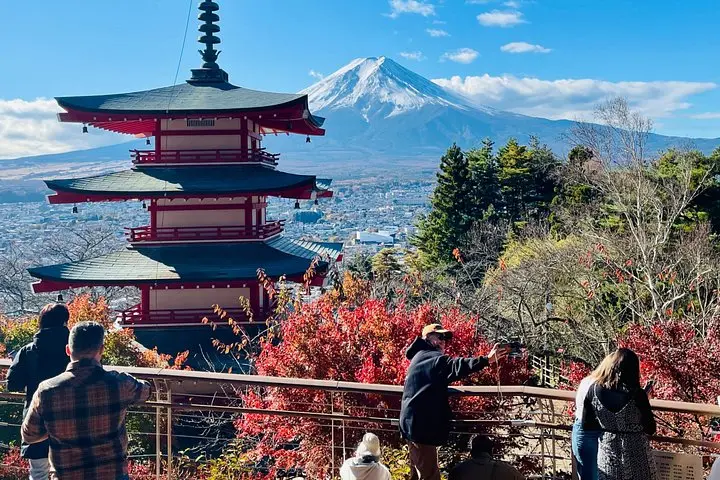
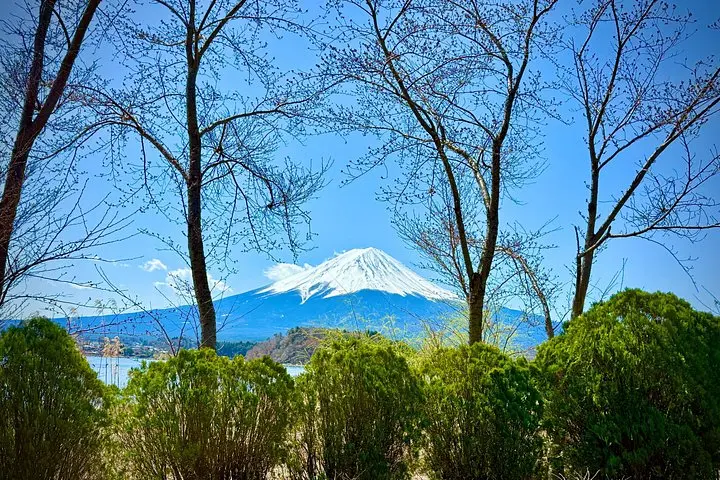
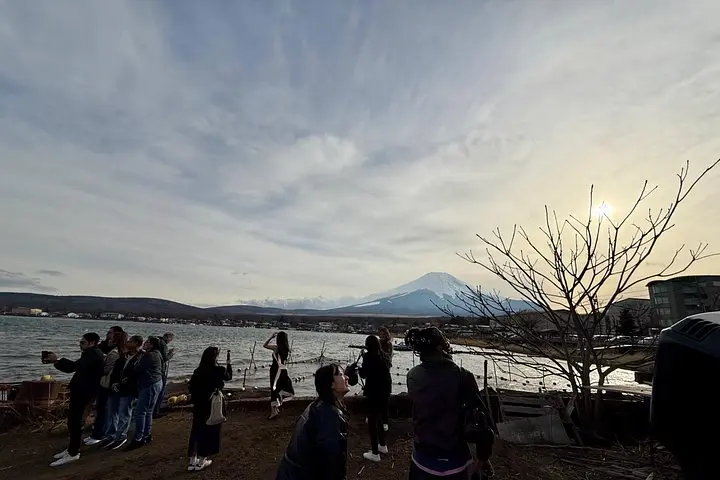
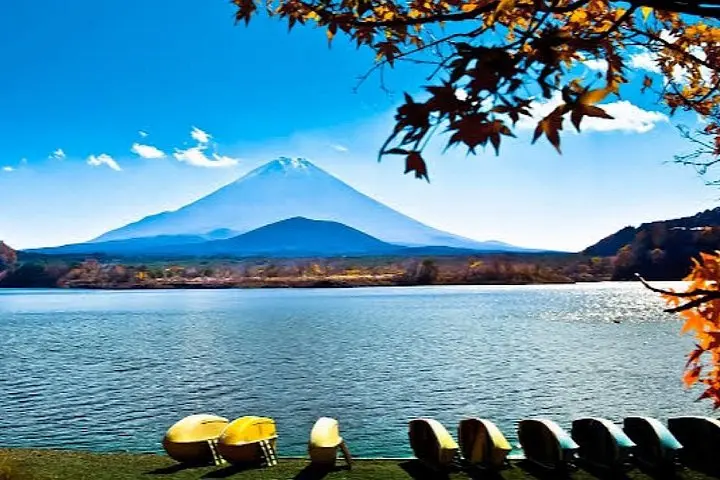
You leave Tokyo before sunrise and the highway opens like a corridor toward altitude; the city’s hum thins and Mount Fuji rises into view—white-capped and uncompromising—while your driver navigates toward the first lookout. At Chureito Pagoda you climb a steady flight of steps and the pagoda frames Fuji itself, the mountain behaving differently every hour: shy behind clouds, then suddenly dominant.
You leave Tokyo before sunrise and the highway opens like a corridor toward altitude; the city’s hum thins and Mount Fuji rises into view—white-capped and uncompromising—while your driver navigates toward the first lookout. At Chureito Pagoda you climb a steady flight of steps and the pagoda frames Fuji itself, the mountain behaving differently every hour: shy behind clouds, then suddenly dominant.
Geology and history are never far here. Fuji is a young stratovolcano whose last major Hōei eruption in 1707 reshaped the surrounding plain; for centuries it’s been both a geological force and a spiritual axis, drawing pilgrims to Sengen shrines at its base. The tour threads cultural stops—forest-shrouded Kitaguchi Hongu Fuji Sengen Shrine, fishermen’s markets on Honcho Street, thatched roofs and crystal ponds at Oshino Hakkai—each place showing a practical side of mountain life: water sourced from melt, crafts tied to seasonal cycles.
Practical guidance is simple. Visibility rules the experience—clear mornings or cold winter air give the best photographic definition; mid-day summer haze can hide the peak. The route is vehicle-based and requires minimal fitness, but expect stairs and short walks at viewpoints; bring layers for wind and sudden temperature swings near the lakes. Cash is useful at small vendors, and restroom stops are available but spaced out. Aim for early or late light, respect shrine etiquette, and prepare for weather that can change as fast as the mountain’s moods.