THE ADVENTURE COLLECTIVE® · Independent discovery and booking for outdoor travel

A focused, full-day ascent from Naro Moru Gate to the Mount Kenya Met Station that covers montane forest, bamboo, and alpine rock. Expect a long but achievable day with expert guides, varied terrain, and panoramic views without an overnight climb.
A focused, full-day ascent from Naro Moru Gate to the Mount Kenya Met Station that covers montane forest, bamboo, and alpine rock. Expect a long but achievable day with expert guides, varied terrain, and panoramic views without an overnight climb.
Morning light spills over the shoulder of Mount Kenya as your van eases into the Naro Moru gate; mist hangs in the montane forest and the trail pulls you forward. The first hours are under a vaulted canopy where giant lobelias and tall cedar trunks press close, then the path climbs into bamboo and finally scree and rock where the weather station perches like a small human outpost.
Verified experiences and guided adventures in the surrounding area.
Operated by Muringa Kenya Tours & Safaris Ltd · Naro Moru, Nyeri County
Morning light spills over the shoulder of Mount Kenya as your van eases into the Naro Moru gate; mist hangs in the montane forest and the trail pulls you forward. The first hours are under a vaulted canopy where giant lobelias and tall cedar trunks press close, then the path climbs into bamboo and finally scree and rock where the weather station perches like a small human outpost.
Geology here is volcanic and ancient: Mount Kenya is a heavily eroded stratovolcano whose hard core of syenite and nepheline syenite forms jagged ridges and steep cirques. The park’s altitude bands control vegetation — montane forest, bamboo, heath, then alpine rocks — and create ecological niches that local guides know intimately. The area has long been important to Kikuyu and Meru communities for water and cultural sites; early colonial explorers mapped routes that are still used today.
Expect wildlife glimpses — troops of colobus and guereza monkeys in the canopy, and secretive forest elephants at lower elevations if you’re quiet — and birds that mark each ecological zone.
Practically: plan a full day. Pickup from Nairobi is early; the round trip including trail time runs about nine hours. Wear stiff-soled boots for the mix of muddy forest and loose rock, carry layers for rapid temperature shifts, and bring 2–3 liters of water. Altitude rises quickly — pace conservatively and eat the packed lunch at the weather station before descending. Guides handle permits and logistics; treat the fragile alpine plants and stick to established paths so this route stays wild for the next party.
You should have moderate fitness—able to hike uphill for several hours with short breaks; prior hill or trail experience is helpful.
The Met Station sits above the bamboo zone at roughly 3,200–3,500 m; altitude can affect some visitors so pace yourself and hydrate.
This tour includes a packed lunch, hotel pickup and drop-off from Nairobi, and return transport to the gate as stated in the inclusions.
Permits are handled by the operator and a professional mountain guide accompanies the hike; participants should follow the guide’s instructions for safety.
Muringa Kenya Tours & Safaris Ltd operates guided outdoor trips and adventures with an emphasis on safety, stewardship, and memorable experiences.
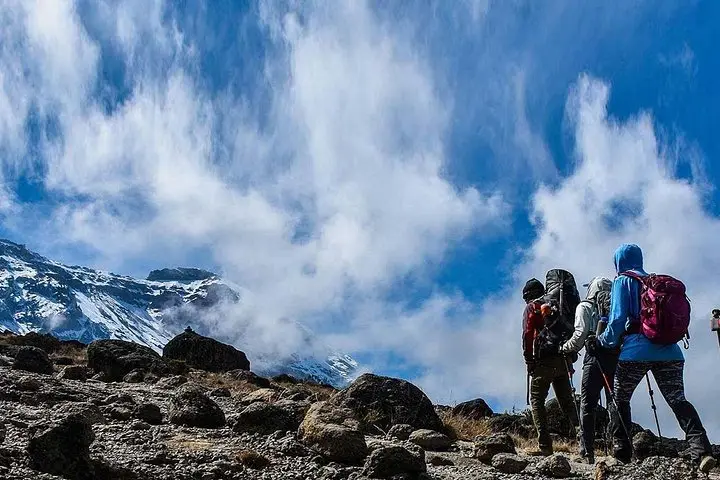
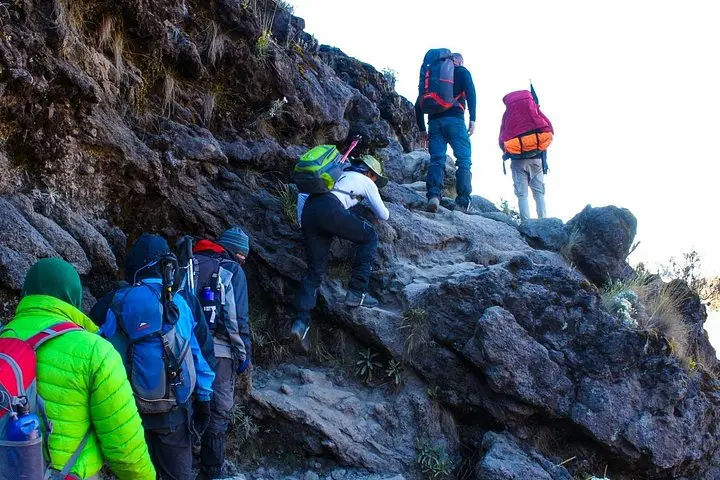
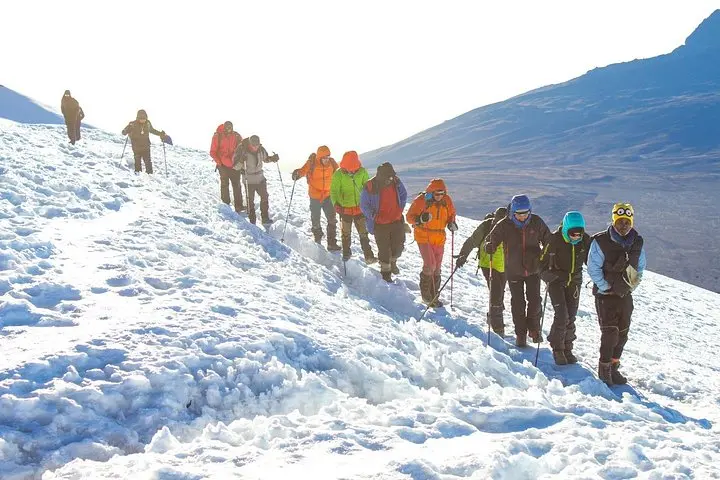
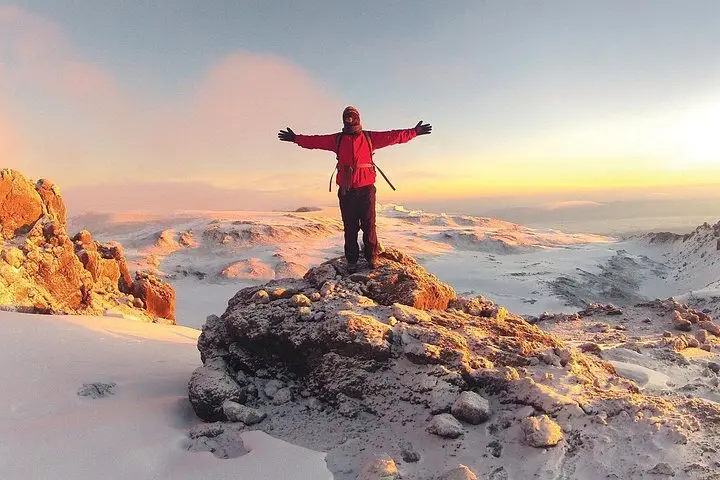
Morning light spills over the shoulder of Mount Kenya as your van eases into the Naro Moru gate; mist hangs in the montane forest and the trail pulls you forward. The first hours are under a vaulted canopy where giant lobelias and tall cedar trunks press close, then the path climbs into bamboo and finally scree and rock where the weather station perches like a small human outpost.
Morning light spills over the shoulder of Mount Kenya as your van eases into the Naro Moru gate; mist hangs in the montane forest and the trail pulls you forward. The first hours are under a vaulted canopy where giant lobelias and tall cedar trunks press close, then the path climbs into bamboo and finally scree and rock where the weather station perches like a small human outpost.
Geology here is volcanic and ancient: Mount Kenya is a heavily eroded stratovolcano whose hard core of syenite and nepheline syenite forms jagged ridges and steep cirques. The park’s altitude bands control vegetation — montane forest, bamboo, heath, then alpine rocks — and create ecological niches that local guides know intimately. The area has long been important to Kikuyu and Meru communities for water and cultural sites; early colonial explorers mapped routes that are still used today.
Expect wildlife glimpses — troops of colobus and guereza monkeys in the canopy, and secretive forest elephants at lower elevations if you’re quiet — and birds that mark each ecological zone.
Practically: plan a full day. Pickup from Nairobi is early; the round trip including trail time runs about nine hours. Wear stiff-soled boots for the mix of muddy forest and loose rock, carry layers for rapid temperature shifts, and bring 2–3 liters of water. Altitude rises quickly — pace conservatively and eat the packed lunch at the weather station before descending. Guides handle permits and logistics; treat the fragile alpine plants and stick to established paths so this route stays wild for the next party.