THE ADVENTURE COLLECTIVE® · Independent discovery and booking for outdoor travel

Spend a day on Kilimanjaro’s lower slopes: mossy rainforest trails, close monkey sightings, and a clear, often dramatic view of the snow-capped summit. Ideal for travelers short on time who want an authentic mountain experience with a local guide.
Spend a day on Kilimanjaro’s lower slopes: mossy rainforest trails, close monkey sightings, and a clear, often dramatic view of the snow-capped summit. Ideal for travelers short on time who want an authentic mountain experience with a local guide.
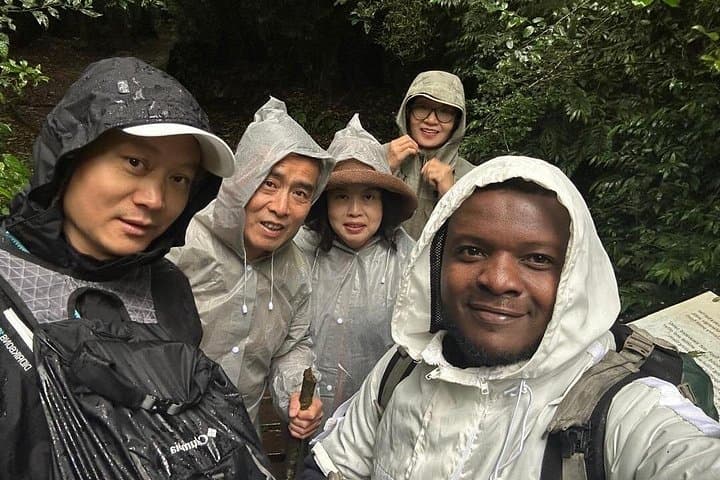
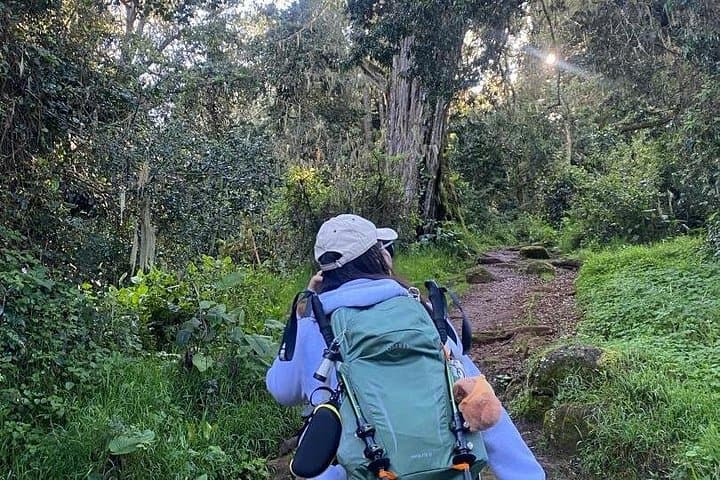
You step off the van into a cool, wet pocket of forest where mist stitches itself between tree trunks and the air smells of damp earth and coffee blossoms. The canopy is high and crowded—ferns, moss-draped branches, and the occasional bright flash of a bird. Somewhere above the green, Kilimanjaro’s white cap pins the sky; it feels both impossibly distant and startlingly close.
Verified experiences and guided adventures in the surrounding area.
Operated by Hilltop Travel · Moshi, Kilimanjaro Region
You step off the van into a cool, wet pocket of forest where mist stitches itself between tree trunks and the air smells of damp earth and coffee blossoms. The canopy is high and crowded—ferns, moss-draped branches, and the occasional bright flash of a bird. Somewhere above the green, Kilimanjaro’s white cap pins the sky; it feels both impossibly distant and startlingly close.
This day hike explores Kilimanjaro’s lower rainforest zone, the first of several ecological belts that collar Africa’s highest peak. Geologically, the mountain is a stratovolcano with three principal cones—Kibo, Mawenzi, and Shira—formed by repeated eruptions over the last million years. On the hike, you traverse ancient volcanic soils that hold moisture like sponge and feed the dense montane forest where blue monkeys and colobus live.
Culturally, the slopes are part of Chagga country. Small farms climb the hillsides where terraced plots and coffee trees reflect a human rhythm tuned to the mountain’s microclimates. Guides on day hikes are usually local, and their commentary often threads natural history with Chagga stories about living in Kilimanjaro’s shadow.
The route: expect a moderate, largely single-day route covering roughly 6–10 km round-trip with 600–900 m of elevation gain depending on your starting point and the turn-around. Trails are a mix of packed earth, exposed roots, and occasional rock steps; in the rainy season they can be slippery. Wildlife is part of the draw—watch for troops of blue monkeys, colobus monkeys moving through the canopy, and an array of forest birds that pause and call as you pass.
Practical notes: the hike is designed for visitors short on time but eager for a real mountain experience. Guides provide transport from Moshi and lunch is usually included. Altitude above 2,000 m can feel different—take a steady pace, drink often, and speak up if you feel dizziness or persistent headache.
Timing matters: mornings clear more reliably and deliver the best summit views; afternoons are more likely to cloud in. Footwear with good grip and ankle support is essential; a lightweight rain shell will save the day during sudden downpours. Photographers should be ready for dramatic contrasts—sunlit clearings revealing the snow-capped summit then shuttered in seconds by fog.
For travelers, this hike is an efficient, sensory slice of Kilimanjaro—forest murmurs, close wildlife encounters, and that unforgettable first sightline to the summit. It doesn’t replace a summit attempt, but it’s the most immediate way to meet the mountain’s lower moods and understand why Kilimanjaro holds such a strong place in East African landscape and culture.
Typical day hikes use lower slopes and cover roughly 6–10 km round-trip with about 600–900 m of elevation gain depending on the starting point and specific route.
Yes—hikes on Kilimanjaro’s slopes operate with local guides and the area falls within Kilimanjaro National Park regulations; guides handle permits and fees.
Altitude effects can occur above 2,000 m; for most day hikers symptoms are mild if you go slowly, hydrate, and avoid overexertion. Report any severe headache, nausea, or breathlessness to your guide immediately.
Expect blue monkeys and black-and-white colobus in the canopy, plus numerous forest birds and the occasional mongoose or duiker track.
Families with older children who can handle several hours of uphill walking commonly join; check with the operator about age limits and safety considerations.
Most bookings include guide service, round-trip transport from Moshi, lunch, and park parking fees—confirm specifics with your supplier before booking.
Hilltop Travel operates guided outdoor trips and adventures with an emphasis on safety, stewardship, and memorable experiences.


You step off the van into a cool, wet pocket of forest where mist stitches itself between tree trunks and the air smells of damp earth and coffee blossoms. The canopy is high and crowded—ferns, moss-draped branches, and the occasional bright flash of a bird. Somewhere above the green, Kilimanjaro’s white cap pins the sky; it feels both impossibly distant and startlingly close.
You step off the van into a cool, wet pocket of forest where mist stitches itself between tree trunks and the air smells of damp earth and coffee blossoms. The canopy is high and crowded—ferns, moss-draped branches, and the occasional bright flash of a bird. Somewhere above the green, Kilimanjaro’s white cap pins the sky; it feels both impossibly distant and startlingly close.
This day hike explores Kilimanjaro’s lower rainforest zone, the first of several ecological belts that collar Africa’s highest peak. Geologically, the mountain is a stratovolcano with three principal cones—Kibo, Mawenzi, and Shira—formed by repeated eruptions over the last million years. On the hike, you traverse ancient volcanic soils that hold moisture like sponge and feed the dense montane forest where blue monkeys and colobus live.
Culturally, the slopes are part of Chagga country. Small farms climb the hillsides where terraced plots and coffee trees reflect a human rhythm tuned to the mountain’s microclimates. Guides on day hikes are usually local, and their commentary often threads natural history with Chagga stories about living in Kilimanjaro’s shadow.
The route: expect a moderate, largely single-day route covering roughly 6–10 km round-trip with 600–900 m of elevation gain depending on your starting point and the turn-around. Trails are a mix of packed earth, exposed roots, and occasional rock steps; in the rainy season they can be slippery. Wildlife is part of the draw—watch for troops of blue monkeys, colobus monkeys moving through the canopy, and an array of forest birds that pause and call as you pass.
Practical notes: the hike is designed for visitors short on time but eager for a real mountain experience. Guides provide transport from Moshi and lunch is usually included. Altitude above 2,000 m can feel different—take a steady pace, drink often, and speak up if you feel dizziness or persistent headache.
Timing matters: mornings clear more reliably and deliver the best summit views; afternoons are more likely to cloud in. Footwear with good grip and ankle support is essential; a lightweight rain shell will save the day during sudden downpours. Photographers should be ready for dramatic contrasts—sunlit clearings revealing the snow-capped summit then shuttered in seconds by fog.
For travelers, this hike is an efficient, sensory slice of Kilimanjaro—forest murmurs, close wildlife encounters, and that unforgettable first sightline to the summit. It doesn’t replace a summit attempt, but it’s the most immediate way to meet the mountain’s lower moods and understand why Kilimanjaro holds such a strong place in East African landscape and culture.