THE ADVENTURE COLLECTIVE® · Independent discovery and booking for outdoor travel

Walk into Kilimanjaro’s cloud forest on the Marangu Route and reach Mandara Hut (2,700 m) in a single, rewarding day. Expect moss-draped trails, forest monkeys, and steady altitude gain on a non-technical but physically engaging hike.
Walk into Kilimanjaro’s cloud forest on the Marangu Route and reach Mandara Hut (2,700 m) in a single, rewarding day. Expect moss-draped trails, forest monkeys, and steady altitude gain on a non-technical but physically engaging hike.
Fog and bird calls lift off the trail as you climb into Kilimanjaro’s cloud forest, the canopy closing above and sunlight slicing through moss-draped branches. On the Marangu Day Hike you walk the oldest tourist approach on Africa’s tallest mountain, arriving at Mandara Hut (≈2,700 m / 8,858 ft) where the air thins and waterfalls echo from higher glaciers.
Verified experiences and guided adventures in the surrounding area.
Operated by Operation Kilimanjaro · Moshi, Kilimanjaro Region
Fog and bird calls lift off the trail as you climb into Kilimanjaro’s cloud forest, the canopy closing above and sunlight slicing through moss-draped branches. On the Marangu Day Hike you walk the oldest tourist approach on Africa’s tallest mountain, arriving at Mandara Hut (≈2,700 m / 8,858 ft) where the air thins and waterfalls echo from higher glaciers.
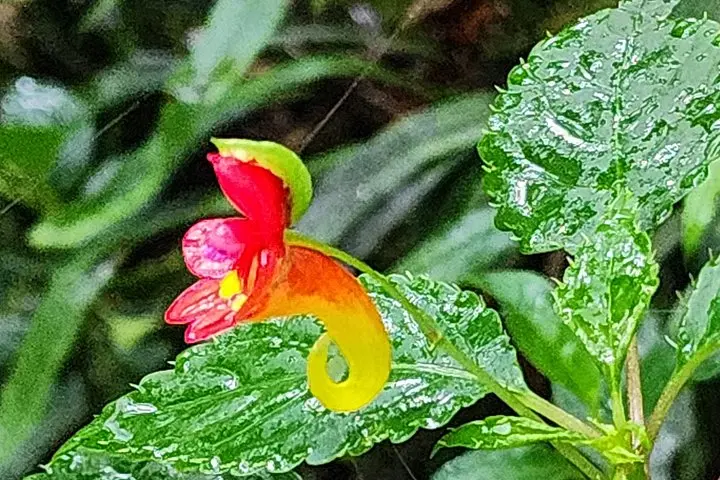
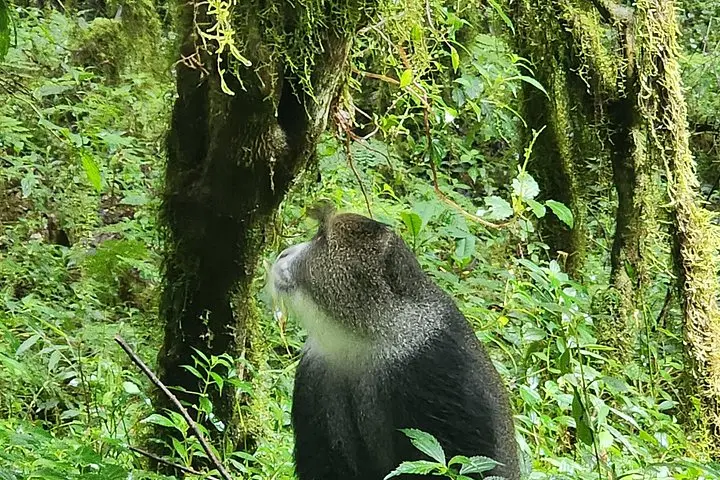
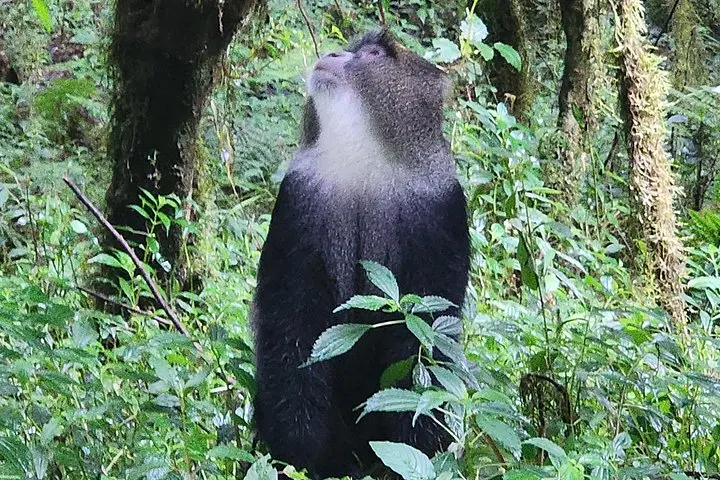
Geology here is blunt and honest: ancient volcanic flanks give way to deeply weathered basalt and fertile soils that support huge fig trees and endemic flora. Culturally, this slope is Chagga country; villages below have long managed coffee terraces and paths used by guides and porters since the early climbing era. Wildlife is vocal — blue monkeys, colobus, and a sharp palette of forest birds share the understory with ferns and lichens.
Practically, expect steep, well-trodden footpaths that gain roughly 700–900 m of elevation over several kilometers; trails are muddy in the rains and rooty underfoot. The full outing including transfers and breaks runs 8–11 hours. Bring layered clothing, a waterproof shell, and at least 2–3 liters of water; altitude, not technical exposure, is the main challenge. The hike is non-technical but rewards steady pacing: stop for viewpoints, watch for slippery stone, and allow time at Mandara Hut to catch views back toward Moshi and the plains.
This is a compact introduction to Kilimanjaro’s ecology and altitude, ideal for travelers who want a substantial mountain day without committing to a multi-day summit push.
The trail is non-technical but moderately strenuous due to continuous uphill walking and roughly 700–900 m of elevation gain; fit walkers complete it comfortably with breaks.
No technical experience is required, but experience with multi-hour hikes and carrying a daypack helps with pacing and comfort.
Mandara Hut has basic hut facilities and seating for rest; operators often include a lunch and bottled water as part of the trip.
Yes, but conditions vary: the long rains (Mar–May) make trails muddier, while the drier months (Jan–Feb, Jun–Oct) offer more stable footing and clearer views.
Operation Kilimanjaro operates guided outdoor trips and adventures with an emphasis on safety, stewardship, and memorable experiences.
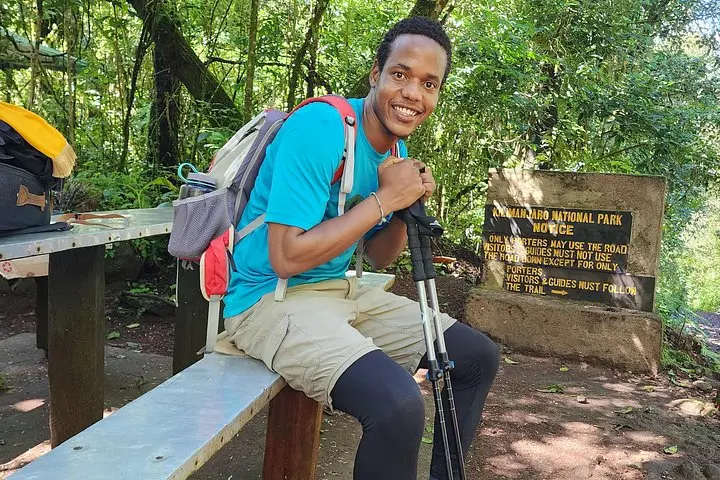
Fog and bird calls lift off the trail as you climb into Kilimanjaro’s cloud forest, the canopy closing above and sunlight slicing through moss-draped branches. On the Marangu Day Hike you walk the oldest tourist approach on Africa’s tallest mountain, arriving at Mandara Hut (≈2,700 m / 8,858 ft) where the air thins and waterfalls echo from higher glaciers.
Fog and bird calls lift off the trail as you climb into Kilimanjaro’s cloud forest, the canopy closing above and sunlight slicing through moss-draped branches. On the Marangu Day Hike you walk the oldest tourist approach on Africa’s tallest mountain, arriving at Mandara Hut (≈2,700 m / 8,858 ft) where the air thins and waterfalls echo from higher glaciers.
Geology here is blunt and honest: ancient volcanic flanks give way to deeply weathered basalt and fertile soils that support huge fig trees and endemic flora. Culturally, this slope is Chagga country; villages below have long managed coffee terraces and paths used by guides and porters since the early climbing era. Wildlife is vocal — blue monkeys, colobus, and a sharp palette of forest birds share the understory with ferns and lichens.
Practically, expect steep, well-trodden footpaths that gain roughly 700–900 m of elevation over several kilometers; trails are muddy in the rains and rooty underfoot. The full outing including transfers and breaks runs 8–11 hours. Bring layered clothing, a waterproof shell, and at least 2–3 liters of water; altitude, not technical exposure, is the main challenge. The hike is non-technical but rewards steady pacing: stop for viewpoints, watch for slippery stone, and allow time at Mandara Hut to catch views back toward Moshi and the plains.
This is a compact introduction to Kilimanjaro’s ecology and altitude, ideal for travelers who want a substantial mountain day without committing to a multi-day summit push.