THE ADVENTURE COLLECTIVE® · Independent discovery and booking for outdoor travel

A one‑day introduction to Africa’s highest peak: follow the Marangu Route from Marangu Gate up through rainforest and bamboo to Mandara Hut, then return to Arusha. Expect steep switchbacks, dramatic elevation change and a close look at Chagga culture without an overnight commitment.
A one‑day introduction to Africa’s highest peak: follow the Marangu Route from Marangu Gate up through rainforest and bamboo to Mandara Hut, then return to Arusha. Expect steep switchbacks, dramatic elevation change and a close look at Chagga culture without an overnight commitment.
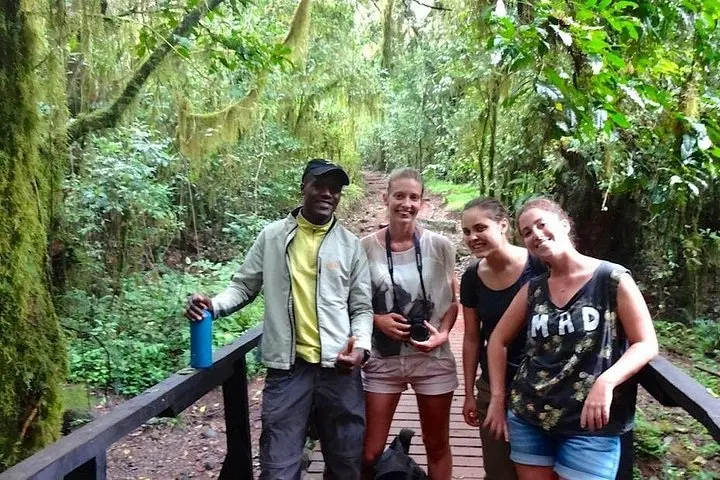
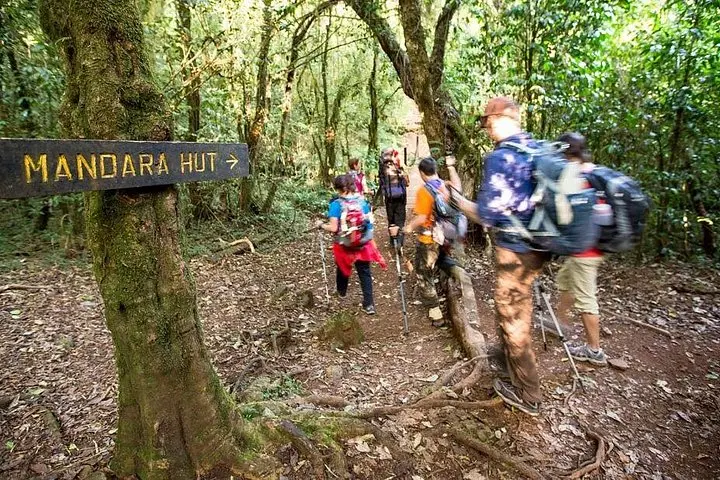
On a clear morning the road from Arusha climbs and opens up, and the mountain appears: a white cap smeared across an African sky, glaciers daring you to come closer. You’ll meet your guide after breakfast, slide into a 90‑minute drive to Marangu Gate and register with the park rangers; by late morning you’re under the forest canopy, the trail narrowing into a steady climb toward Mandara Hut.
Verified experiences and guided adventures in the surrounding area.
Operated by ALAITOL SAFARIS · Marangu, Kilimanjaro Region
On a clear morning the road from Arusha climbs and opens up, and the mountain appears: a white cap smeared across an African sky, glaciers daring you to come closer. You’ll meet your guide after breakfast, slide into a 90‑minute drive to Marangu Gate and register with the park rangers; by late morning you’re under the forest canopy, the trail narrowing into a steady climb toward Mandara Hut.
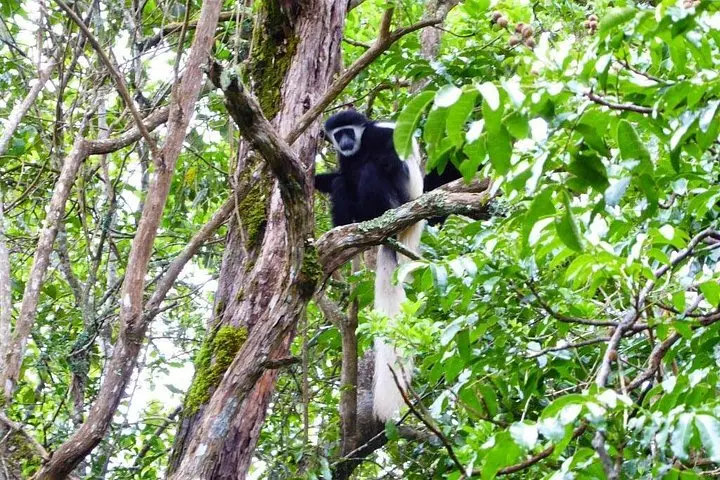
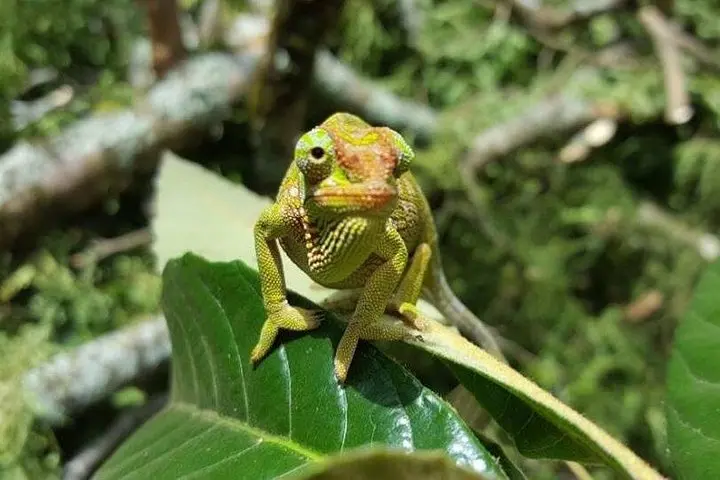
The Marangu Route is the mountain’s oldest tourist path and the one that feels like a walk through Kilimanjaro’s biography. Basalt and volcanic ash created these flanks millions of years ago, and the mountain still wears that geology in terraces and scree slopes. On the lower slopes the rainforest reaches up with orchids and fern, then gives way to bamboo and moorland—a clear, visible change in altitude and microclimate as you gain roughly 800–900 meters over a few kilometres to Mandara Hut.
Culture sits close to the trail: Chagga villages and coffee farms cling to the mountain’s lower slopes, and your guide will point out terraced plots and mortar‑worked homes built from lava rock. Mandara Hut itself was a colonial era stopping point turned modern refuge; today it functions as a popular picnic and turnaround spot for day visitors while serious summit parties press on toward Horombo and Kibo.
Practically, this is a taste of Kili rather than a summit attempt. Expect about 3 hours uphill through largely well‑built switchbacks and forest track, 30 minutes resting at the hut, and roughly 2–2.5 hours descending back to the gate — a hiking loop commonly completed in a full day with transfers to Arusha. Trail surface alternates between packed earth, roots and the occasional muddy patch during rains; steep sections demand steady footing more than technical skill.
Bring layered clothing for rapid temperature swings: it can be humid and green at the gate and crisp and windy by Mandara. Hydrate early and often—the day’s highest risk is fatigue and basic altitude effects as you cross 2,500–2,700 m. A professional mountain guide and park fees are typically included, and your transport back to Arusha means you finish the day as you began it: on the road, replaying the mountain’s sharp character.
If you’re short on time but want the mountain’s profile stamped on your memory, this Marangu day hike gives you forest, high‑altitude views and a direct line to local culture without the commitment of multi‑day logistics. For photographers and first‑time trekkers it’s an efficient, rewarding introduction to Africa’s highest peak.
The route is graded moderate: steady uphill for about 3 hours with well‑defined switchbacks; no technical climbing required but expect sustained effort and some altitude gain.
Most people tolerate the climb to Mandara Hut (around 2,700 m) without serious issues, but mild symptoms—headache, slight breathlessness—can occur; hydrate and move at a measured pace.
Typical inclusions are hotel pickup/return, transport, park fees, professional mountain guide, lunch and bottled water—confirm specific inclusions when booking.
Yes — most operators collect guests from Arusha hotels; confirm pickup time (commonly around 07:00) and location with the supplier.
Kilimanjaro’s trails are open year‑round, but the long rains (March–May) bring muddier conditions; guides may adjust timing for weather.
No technical experience is required, but you should be comfortable walking several hours with some elevation gain and carrying a small daypack.
ALAITOL SAFARIS operates guided outdoor trips and adventures with an emphasis on safety, stewardship, and memorable experiences.
On a clear morning the road from Arusha climbs and opens up, and the mountain appears: a white cap smeared across an African sky, glaciers daring you to come closer. You’ll meet your guide after breakfast, slide into a 90‑minute drive to Marangu Gate and register with the park rangers; by late morning you’re under the forest canopy, the trail narrowing into a steady climb toward Mandara Hut.
On a clear morning the road from Arusha climbs and opens up, and the mountain appears: a white cap smeared across an African sky, glaciers daring you to come closer. You’ll meet your guide after breakfast, slide into a 90‑minute drive to Marangu Gate and register with the park rangers; by late morning you’re under the forest canopy, the trail narrowing into a steady climb toward Mandara Hut.
The Marangu Route is the mountain’s oldest tourist path and the one that feels like a walk through Kilimanjaro’s biography. Basalt and volcanic ash created these flanks millions of years ago, and the mountain still wears that geology in terraces and scree slopes. On the lower slopes the rainforest reaches up with orchids and fern, then gives way to bamboo and moorland—a clear, visible change in altitude and microclimate as you gain roughly 800–900 meters over a few kilometres to Mandara Hut.
Culture sits close to the trail: Chagga villages and coffee farms cling to the mountain’s lower slopes, and your guide will point out terraced plots and mortar‑worked homes built from lava rock. Mandara Hut itself was a colonial era stopping point turned modern refuge; today it functions as a popular picnic and turnaround spot for day visitors while serious summit parties press on toward Horombo and Kibo.
Practically, this is a taste of Kili rather than a summit attempt. Expect about 3 hours uphill through largely well‑built switchbacks and forest track, 30 minutes resting at the hut, and roughly 2–2.5 hours descending back to the gate — a hiking loop commonly completed in a full day with transfers to Arusha. Trail surface alternates between packed earth, roots and the occasional muddy patch during rains; steep sections demand steady footing more than technical skill.
Bring layered clothing for rapid temperature swings: it can be humid and green at the gate and crisp and windy by Mandara. Hydrate early and often—the day’s highest risk is fatigue and basic altitude effects as you cross 2,500–2,700 m. A professional mountain guide and park fees are typically included, and your transport back to Arusha means you finish the day as you began it: on the road, replaying the mountain’s sharp character.
If you’re short on time but want the mountain’s profile stamped on your memory, this Marangu day hike gives you forest, high‑altitude views and a direct line to local culture without the commitment of multi‑day logistics. For photographers and first‑time trekkers it’s an efficient, rewarding introduction to Africa’s highest peak.