THE ADVENTURE COLLECTIVE® · Independent discovery and booking for outdoor travel

The Marangu Route is Kilimanjaro’s oldest and most direct path to Uhuru Peak — a six‑day rhythm of forest, moorland, alpine desert, and a midnight summit push. Learn what the huts, altitude, and local culture mean for your odds and how to plan smart for success.
The Marangu Route is Kilimanjaro’s oldest and most direct path to Uhuru Peak — a six‑day rhythm of forest, moorland, alpine desert, and a midnight summit push. Learn what the huts, altitude, and local culture mean for your odds and how to plan smart for success.
You wake before midnight to a village of headlamps — porters moving like shadows, guides checking rope bundles, and a thin cold that seems to sharpen every breath. The trail out of Kibo Hut is a ribbon of crushed volcanic scree underfoot and a sky full of star-pricked quiet. For six days the Marangu Route holds you in stages: rainforest that clings to your sleeves, moorland that opens like a chest, an alpine desert that dares the lungs, and finally the crater rim where Uhuru Peak waits.
Verified experiences and guided adventures in the surrounding area.
Operated by SEASON MASTER ADVENTURES · Moshi, Kilimanjaro Region
You wake before midnight to a village of headlamps — porters moving like shadows, guides checking rope bundles, and a thin cold that seems to sharpen every breath. The trail out of Kibo Hut is a ribbon of crushed volcanic scree underfoot and a sky full of star-pricked quiet. For six days the Marangu Route holds you in stages: rainforest that clings to your sleeves, moorland that opens like a chest, an alpine desert that dares the lungs, and finally the crater rim where Uhuru Peak waits.
The Marangu is Kilimanjaro’s original path, the “Coca‑Cola” route favored for its direct line and hut accommodations. It follows old trade tracks first used by the Chagga people, who farmed the mountain’s lower slopes and traded coffee and bananas in Moshi. Geologically Kilimanjaro is a three‑summit stratovolcano — Mawenzi’s jagged profile keeps watch to the east while Kibo’s broad cone crowns the center, a cold volcanic desert scarred by ancient glaciers.
Culturally, Moshi is where the climb really begins: coffee shops, gear shops, and the soft bartering of porters and guides who still follow traditions of hospitality. On the mountain the crew is visible labor — cooks laying out steaming meals and porters carrying the day’s gear — and understanding that social economy is part of your trip is practical and respectful.
The Marangu route’s hut system simplifies logistics but doesn’t soften the climb. Altitude is the real barrier here. The itinerary builds a critical acclimatization day — a push to Mawenzi Hut and back — because success isn’t just about legs but about how the body manages thin air. Summit night is a slow, deliberate fight against altitude and cold: expect periods of fast hiking interspersed with long rests at William’s Point and Gilman’s Point before the final, grinding ridge to Uhuru.
Practical guidance: plan on 4–10 hours of walking most days, with a midnight start on summit day and an 8–12 hour round trip for that night. Huts offer bunk beds and basic shelter; bring a warm sleeping bag rated to at least -10°C. Hydration and calorie-dense meals are mandatory — the mountain will take both. Footwear should be sturdy with a grippy sole for scree and icy mornings. Schedule an extra day in Moshi before and after the climb to sort permits, hire proper guides, and recover.
If you go in the wet season, expect mud on the lower sections; in the drier months the upper slopes can be wind-bitten and bitter. Above all, respect the mountain’s pace: slow, steady ascent increases your odds of standing on Africa’s roof.
No technical climbing equipment is required for the Marangu route—there are no ropes or ice axes needed—but you must be prepared for high‑altitude hiking and cold conditions.
Six days is the minimum and lowers your odds due to limited acclimatization; success rates improve significantly with an extra day on the mountain.
Yes — Marangu’s huts provide dormitory‑style beds with mattresses, but bring a clean liner and warm sleeping bag for comfort and warmth.
Get a pre‑trip medical check for cardiovascular fitness, carry a basic altitude medical kit, and consider acetazolamide only after consulting a physician.
Dry months (January–March, June–October) offer more stable weather; the route sees more traffic during these windows but conditions are more predictable.
Park fees are mandatory and often included by reputable operators; confirm details and receipts prior to departure to ensure permits are valid.
SEASON MASTER ADVENTURES operates guided outdoor trips and adventures with an emphasis on safety, stewardship, and memorable experiences.

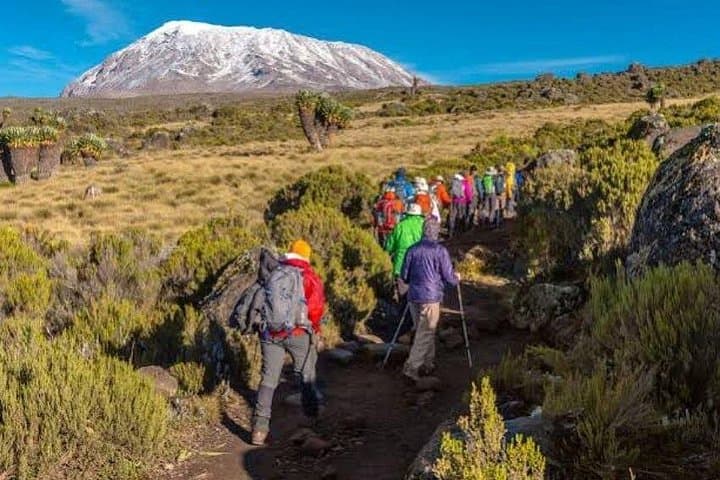
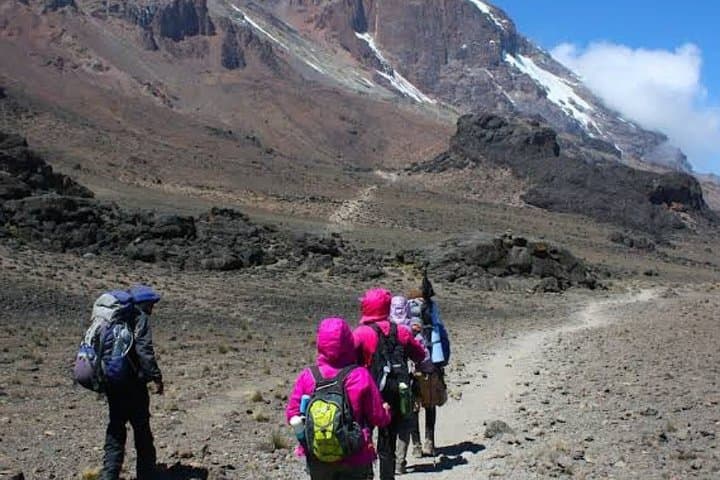
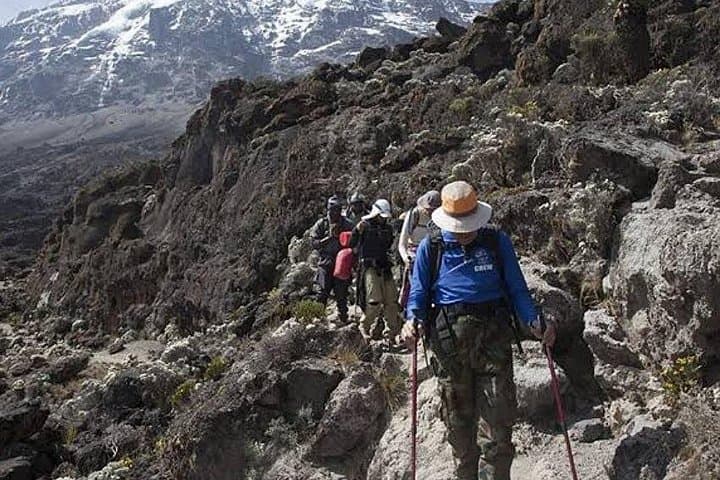
You wake before midnight to a village of headlamps — porters moving like shadows, guides checking rope bundles, and a thin cold that seems to sharpen every breath. The trail out of Kibo Hut is a ribbon of crushed volcanic scree underfoot and a sky full of star-pricked quiet. For six days the Marangu Route holds you in stages: rainforest that clings to your sleeves, moorland that opens like a chest, an alpine desert that dares the lungs, and finally the crater rim where Uhuru Peak waits.
You wake before midnight to a village of headlamps — porters moving like shadows, guides checking rope bundles, and a thin cold that seems to sharpen every breath. The trail out of Kibo Hut is a ribbon of crushed volcanic scree underfoot and a sky full of star-pricked quiet. For six days the Marangu Route holds you in stages: rainforest that clings to your sleeves, moorland that opens like a chest, an alpine desert that dares the lungs, and finally the crater rim where Uhuru Peak waits.
The Marangu is Kilimanjaro’s original path, the “Coca‑Cola” route favored for its direct line and hut accommodations. It follows old trade tracks first used by the Chagga people, who farmed the mountain’s lower slopes and traded coffee and bananas in Moshi. Geologically Kilimanjaro is a three‑summit stratovolcano — Mawenzi’s jagged profile keeps watch to the east while Kibo’s broad cone crowns the center, a cold volcanic desert scarred by ancient glaciers.
Culturally, Moshi is where the climb really begins: coffee shops, gear shops, and the soft bartering of porters and guides who still follow traditions of hospitality. On the mountain the crew is visible labor — cooks laying out steaming meals and porters carrying the day’s gear — and understanding that social economy is part of your trip is practical and respectful.
The Marangu route’s hut system simplifies logistics but doesn’t soften the climb. Altitude is the real barrier here. The itinerary builds a critical acclimatization day — a push to Mawenzi Hut and back — because success isn’t just about legs but about how the body manages thin air. Summit night is a slow, deliberate fight against altitude and cold: expect periods of fast hiking interspersed with long rests at William’s Point and Gilman’s Point before the final, grinding ridge to Uhuru.
Practical guidance: plan on 4–10 hours of walking most days, with a midnight start on summit day and an 8–12 hour round trip for that night. Huts offer bunk beds and basic shelter; bring a warm sleeping bag rated to at least -10°C. Hydration and calorie-dense meals are mandatory — the mountain will take both. Footwear should be sturdy with a grippy sole for scree and icy mornings. Schedule an extra day in Moshi before and after the climb to sort permits, hire proper guides, and recover.
If you go in the wet season, expect mud on the lower sections; in the drier months the upper slopes can be wind-bitten and bitter. Above all, respect the mountain’s pace: slow, steady ascent increases your odds of standing on Africa’s roof.