THE ADVENTURE COLLECTIVE® · Independent discovery and booking for outdoor travel

A full-day hike on Mount Longonot rewards steady walkers with panoramic Rift Valley views and a walk along a volcanic crater rim. Expect loose volcanic scree, short forests, and wildlife sightings—plan for 5–6 hours including transport.
A full-day hike on Mount Longonot rewards steady walkers with panoramic Rift Valley views and a walk along a volcanic crater rim. Expect loose volcanic scree, short forests, and wildlife sightings—plan for 5–6 hours including transport.
You start before dawn on a highway that slides into the Great Rift Valley, the land opening like a deep cut in the earth.
Verified experiences and guided adventures in the surrounding area.
Operated by Donwel Tours & Travel · Naivasha, Nakuru County
You start before dawn on a highway that slides into the Great Rift Valley, the land opening like a deep cut in the earth.
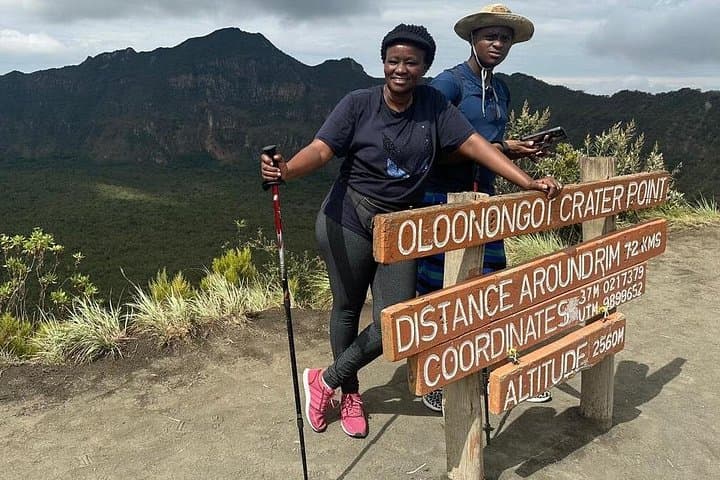
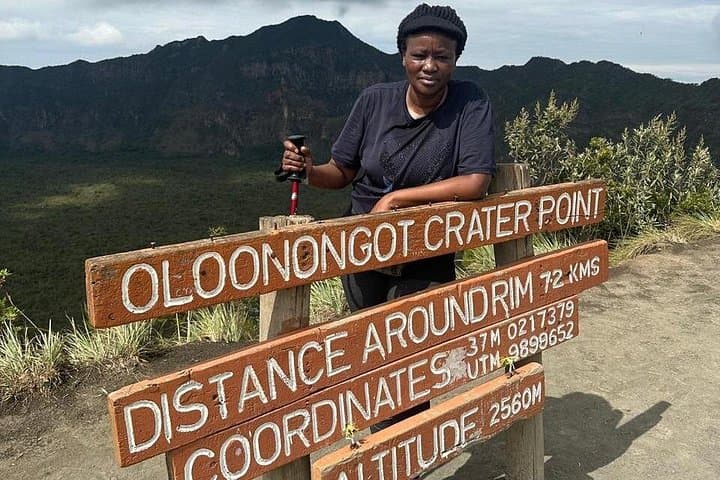
By the time the trailhead appears, the volcano’s flanks rise black and raw against the sky. The climb to Mount Longonot’s crater rim takes you up volcanic scree and packed ash, through a pocket of dry-crater forest where birds of prey wheel and buffalo tracks press the dirt. From the rim the valley spreads—Lake Naivasha to the west, terraced farms to the east—and the crater itself presents a broad, bowl-shaped interior you can skirt on a full loop.
Geologically the mountain is a stratovolcano formed by the East African Rift. Its steep inward slope and V-shaped valleys show the work of eruptions and erosion over millennia; culturally, the park sits in Nakuru County and has long been part of local grazing and conservation stories.
Practical guidance: expect 3–4 hours of steady hiking to the rim and back (5–6 hours total with drives and breaks). Trails are unpaved with loose rock—sturdy boots and poles help. Carry at least 1–2 liters of water, sun protection, and snacks; park entry fees and a guide are usually required.
Wildlife is present but shy—keep distance from buffalo and giraffe, and give birds space. Time your visit early for cooler air and clearer views; afternoon winds and heat can make the rim exposed. If you want a quieter experience, choose a weekday and ask your driver to stop at the Rift Valley viewpoint for photography on the way back.
The core hike to the crater rim is typically 3–4 hours round-trip; including driving from Nairobi and breaks expect a 5–6 hour day.
It’s suitable for hikers with moderate fitness; beginners can complete it with frequent rests but should prepare for steep sections and loose scree.
Entrance fees are usually required and are often included in organized tours; confirm payment details with your operator or at the gate if travelling independently.
Common sightings include buffalo and giraffe on the park’s outskirts and a variety of raptors; sightings are not guaranteed and animals should be observed from a distance.
Donwel Tours & Travel operates guided outdoor trips and adventures with an emphasis on safety, stewardship, and memorable experiences.


You start before dawn on a highway that slides into the Great Rift Valley, the land opening like a deep cut in the earth.
You start before dawn on a highway that slides into the Great Rift Valley, the land opening like a deep cut in the earth.
By the time the trailhead appears, the volcano’s flanks rise black and raw against the sky. The climb to Mount Longonot’s crater rim takes you up volcanic scree and packed ash, through a pocket of dry-crater forest where birds of prey wheel and buffalo tracks press the dirt. From the rim the valley spreads—Lake Naivasha to the west, terraced farms to the east—and the crater itself presents a broad, bowl-shaped interior you can skirt on a full loop.
Geologically the mountain is a stratovolcano formed by the East African Rift. Its steep inward slope and V-shaped valleys show the work of eruptions and erosion over millennia; culturally, the park sits in Nakuru County and has long been part of local grazing and conservation stories.
Practical guidance: expect 3–4 hours of steady hiking to the rim and back (5–6 hours total with drives and breaks). Trails are unpaved with loose rock—sturdy boots and poles help. Carry at least 1–2 liters of water, sun protection, and snacks; park entry fees and a guide are usually required.
Wildlife is present but shy—keep distance from buffalo and giraffe, and give birds space. Time your visit early for cooler air and clearer views; afternoon winds and heat can make the rim exposed. If you want a quieter experience, choose a weekday and ask your driver to stop at the Rift Valley viewpoint for photography on the way back.