THE ADVENTURE COLLECTIVE® · Independent discovery and booking for outdoor travel

A stiff, rewarding day-hike from Nairobi to the rim of Mount Longonot. Expect steep climbs, pumice and basalt underfoot, wide Rift Valley panoramas, and a 4–5 hour on-trail experience with optional rim circuit.
A stiff, rewarding day-hike from Nairobi to the rim of Mount Longonot. Expect steep climbs, pumice and basalt underfoot, wide Rift Valley panoramas, and a 4–5 hour on-trail experience with optional rim circuit.
Morning light on the Rift Valley cuts across the slopes of Mount Longonot, turning volcanic scree to warm ochre as the van eases up the escarpment. By the time you step out at the park gate the mountain is already in motion — wind pushing across the crater, scrub and low acacia whispering against your legs as you begin the climb.
Verified experiences and guided adventures in the surrounding area.
Operated by Diani Travel and Tours · Naivasha, Nakuru County
Morning light on the Rift Valley cuts across the slopes of Mount Longonot, turning volcanic scree to warm ochre as the van eases up the escarpment. By the time you step out at the park gate the mountain is already in motion — wind pushing across the crater, scrub and low acacia whispering against your legs as you begin the climb.
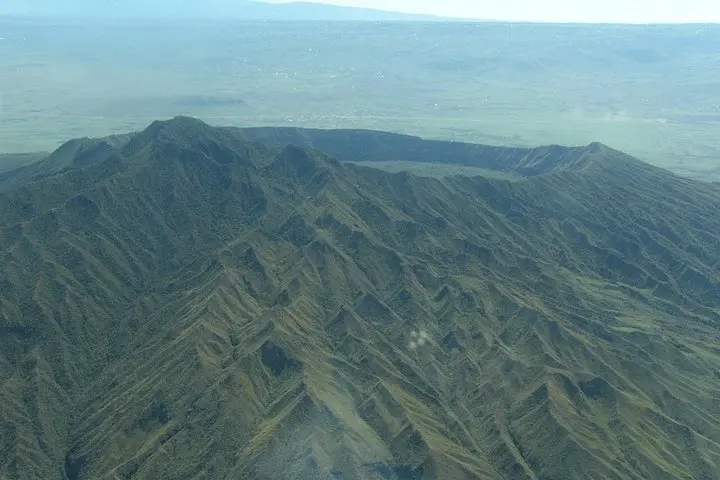
Longonot is an inactive stratovolcano rising roughly 2,700 m above sea level and about 750 m above the surrounding plains. The crater, nearly a kilometre across at the rim, was shaped by Pleistocene eruptions; indigenous Maa-speaking communities used the fertile slopes for grazing long before the area became a national park in the mid-20th century. Geologically, the trail alternates pumice, ash, and hard basalt underfoot; culturally, the ride from Nairobi offers viewpoints into pastoral Rift Valley life and Lake Naivasha’s blue mirror.
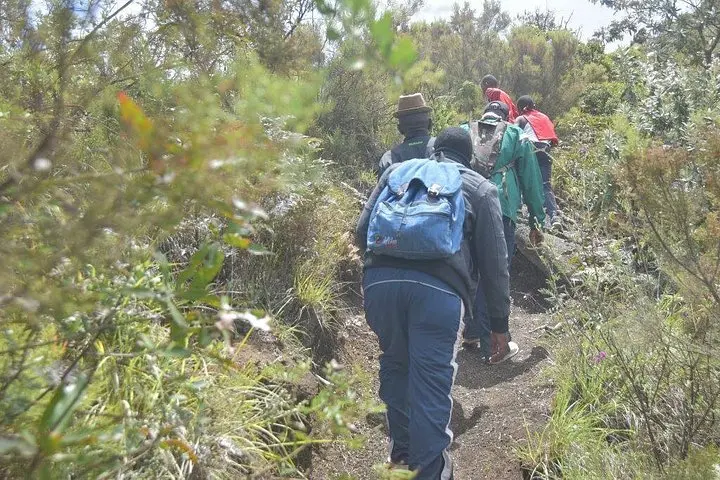
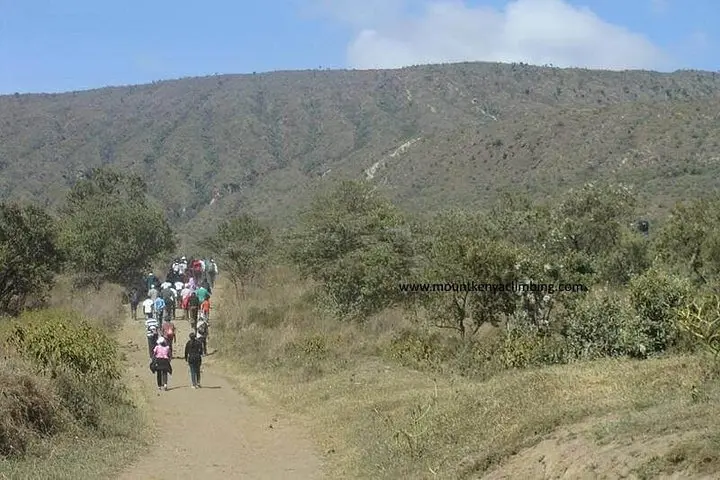
Expect a steep 1.5–2 hour ascent from the gate to the rim (roughly 3–4 km with ~700–800 m elevation gain), with an optional 2-hour rim circuit that exposes raw, sweeping views and occasional wildlife sightings. The path can be narrow and slippery after rain, and afternoon winds pick up quickly — the crater seems to push back if you linger.
Practical notes: start early (6:00 pickup typical), carry 2–3 L of water, sun protection, and sturdy boots with traction. Lunch is usually served at the park; if time allows, combine the return with a Lake Naivasha boat ride. Stick to marked trails to protect fragile volcanic soils and the park’s grazing grounds.
From the park gate to the crater rim is typically 1.5–2 hours one-way (about 3–4 km) with roughly 700–800 m of elevation gain; a full rim circuit adds another 1.5–2 hours.
Fit beginners with prior hill-walking experience can complete it, but participants should be comfortable with sustained uphill hiking and uneven terrain.
This tour notes that park fees and lunch are included in the trip package; confirm on booking and carry local currency for optional extras like the Lake Naivasha boat ride.
Yes—you may spot grazing antelope and zebra in lower slopes and a variety of birds; larger mammals are less common but possible in the national park.
Diani Travel and Tours operates guided outdoor trips and adventures with an emphasis on safety, stewardship, and memorable experiences.
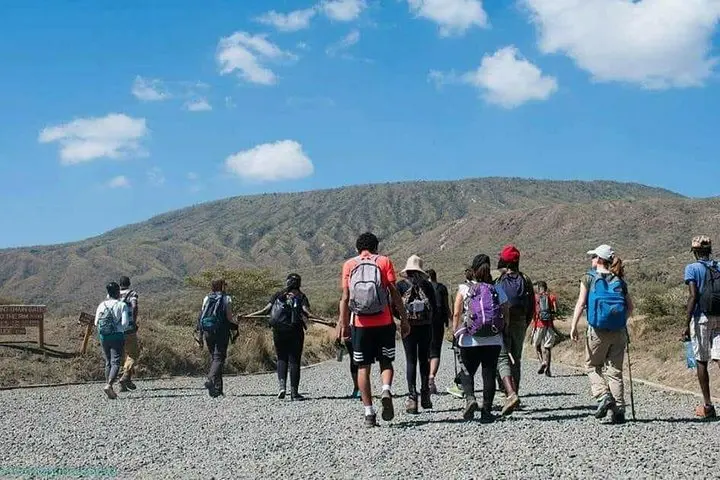
Morning light on the Rift Valley cuts across the slopes of Mount Longonot, turning volcanic scree to warm ochre as the van eases up the escarpment. By the time you step out at the park gate the mountain is already in motion — wind pushing across the crater, scrub and low acacia whispering against your legs as you begin the climb.
Morning light on the Rift Valley cuts across the slopes of Mount Longonot, turning volcanic scree to warm ochre as the van eases up the escarpment. By the time you step out at the park gate the mountain is already in motion — wind pushing across the crater, scrub and low acacia whispering against your legs as you begin the climb.
Longonot is an inactive stratovolcano rising roughly 2,700 m above sea level and about 750 m above the surrounding plains. The crater, nearly a kilometre across at the rim, was shaped by Pleistocene eruptions; indigenous Maa-speaking communities used the fertile slopes for grazing long before the area became a national park in the mid-20th century. Geologically, the trail alternates pumice, ash, and hard basalt underfoot; culturally, the ride from Nairobi offers viewpoints into pastoral Rift Valley life and Lake Naivasha’s blue mirror.
Expect a steep 1.5–2 hour ascent from the gate to the rim (roughly 3–4 km with ~700–800 m elevation gain), with an optional 2-hour rim circuit that exposes raw, sweeping views and occasional wildlife sightings. The path can be narrow and slippery after rain, and afternoon winds pick up quickly — the crater seems to push back if you linger.
Practical notes: start early (6:00 pickup typical), carry 2–3 L of water, sun protection, and sturdy boots with traction. Lunch is usually served at the park; if time allows, combine the return with a Lake Naivasha boat ride. Stick to marked trails to protect fragile volcanic soils and the park’s grazing grounds.