THE ADVENTURE COLLECTIVE® · Independent discovery and booking for outdoor travel

Move from Arusha’s savanna to alpine air on this four-day ascent of Mount Meru in Arusha National Park. Designed for acclimatization before Kilimanjaro, the route mixes wildlife viewing with steep volcanic ridges and an early-morning summit push.
Move from Arusha’s savanna to alpine air on this four-day ascent of Mount Meru in Arusha National Park. Designed for acclimatization before Kilimanjaro, the route mixes wildlife viewing with steep volcanic ridges and an early-morning summit push.
Dawn in Arusha tastes like coffee and dust; by midmorning you’re moving through forested slopes where sunlight slices between giant fig and podocarpus trunks. The trail begins as a walking safari—giraffes and zebra graze near the path, buffalo push through the grasses—and gradually narrows into steep switchbacks that pull you higher through alpine heath and volcanic scree. Mount Meru’s crater walls and the Ash Tray present dramatic, rocky silhouettes against the high plateau, and on a clear morning the summit rewards you with an unobstructed line of sight to Kilimanjaro.
Verified experiences and guided adventures in the surrounding area.
Operated by Shagami Kenya Tours and Safaris · Arusha, Arusha Region
Dawn in Arusha tastes like coffee and dust; by midmorning you’re moving through forested slopes where sunlight slices between giant fig and podocarpus trunks. The trail begins as a walking safari—giraffes and zebra graze near the path, buffalo push through the grasses—and gradually narrows into steep switchbacks that pull you higher through alpine heath and volcanic scree. Mount Meru’s crater walls and the Ash Tray present dramatic, rocky silhouettes against the high plateau, and on a clear morning the summit rewards you with an unobstructed line of sight to Kilimanjaro.
A dormant stratovolcano that rises to roughly 4,565–4,568 m, Meru sits inside Arusha National Park and has long been part of local Meru and Maasai landscapes. Geologically the route traces old lava flows and ash deposits; culturally it moves through grazing lands and sacred highlands. Rangers accompany groups because wildlife is abundant and park rules require them.
Practically: the standard itinerary is four days with three nights in mountain huts and camps, designed to aid acclimatization. Expect steep sections to Rhino and Cobra points and a pre-dawn summit push from the Saddle Hut. No technical climbing gear is required, but altitude and loose rock demand steady fitness and sure footing. Water, layered clothing, a reliable headlamp and respect for park protocols make the difference between a hard day and a successful summit. The climb is an approachable, high-value acclimatization option for anyone planning Kilimanjaro, offering wildlife, volcanic scenery, and a genuine high-mountain experience without technical roping or glacier travel.
No technical climbing skills are required; the route is a non-technical trek with steep sections and a final rocky scramble, but good fitness and steady footing are essential.
Yes—Arusha National Park supports giraffe, zebra, buffalo and various antelope; an armed ranger accompanies hikes because of the presence of large mammals.
Meru reaches ~4,565–4,568 m, so altitude sickness is possible—follow acclimatization advice, hydrate, ascend slowly and inform guides of symptoms immediately.
Itineraries use mountain huts (Miriakamba and Saddle Hut) and staffed camps with meals prepared by a cook; facilities are basic but sheltered for overnight stays.
Shagami Kenya Tours and Safaris operates guided outdoor trips and adventures with an emphasis on safety, stewardship, and memorable experiences.

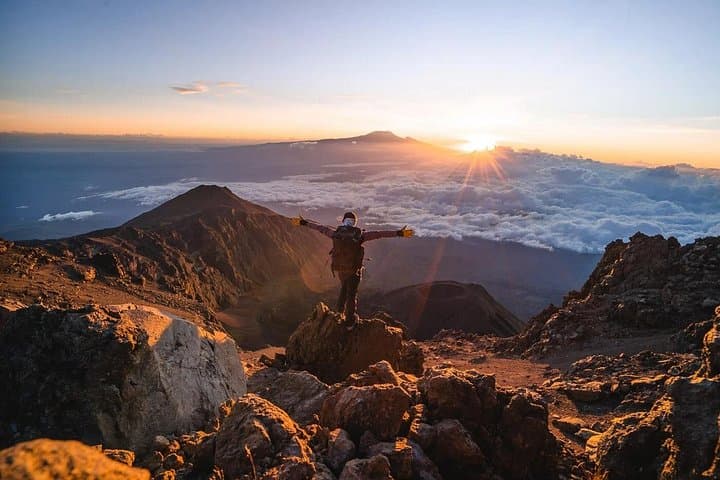

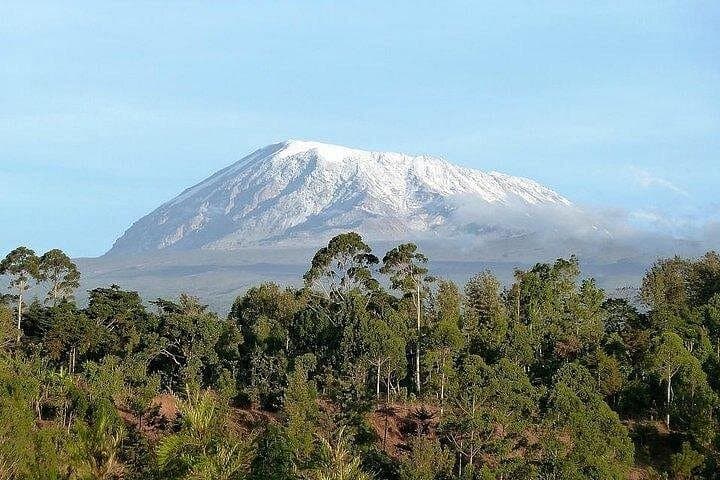
Dawn in Arusha tastes like coffee and dust; by midmorning you’re moving through forested slopes where sunlight slices between giant fig and podocarpus trunks. The trail begins as a walking safari—giraffes and zebra graze near the path, buffalo push through the grasses—and gradually narrows into steep switchbacks that pull you higher through alpine heath and volcanic scree. Mount Meru’s crater walls and the Ash Tray present dramatic, rocky silhouettes against the high plateau, and on a clear morning the summit rewards you with an unobstructed line of sight to Kilimanjaro.
Dawn in Arusha tastes like coffee and dust; by midmorning you’re moving through forested slopes where sunlight slices between giant fig and podocarpus trunks. The trail begins as a walking safari—giraffes and zebra graze near the path, buffalo push through the grasses—and gradually narrows into steep switchbacks that pull you higher through alpine heath and volcanic scree. Mount Meru’s crater walls and the Ash Tray present dramatic, rocky silhouettes against the high plateau, and on a clear morning the summit rewards you with an unobstructed line of sight to Kilimanjaro.
A dormant stratovolcano that rises to roughly 4,565–4,568 m, Meru sits inside Arusha National Park and has long been part of local Meru and Maasai landscapes. Geologically the route traces old lava flows and ash deposits; culturally it moves through grazing lands and sacred highlands. Rangers accompany groups because wildlife is abundant and park rules require them.
Practically: the standard itinerary is four days with three nights in mountain huts and camps, designed to aid acclimatization. Expect steep sections to Rhino and Cobra points and a pre-dawn summit push from the Saddle Hut. No technical climbing gear is required, but altitude and loose rock demand steady fitness and sure footing. Water, layered clothing, a reliable headlamp and respect for park protocols make the difference between a hard day and a successful summit. The climb is an approachable, high-value acclimatization option for anyone planning Kilimanjaro, offering wildlife, volcanic scenery, and a genuine high-mountain experience without technical roping or glacier travel.