THE ADVENTURE COLLECTIVE® · Independent discovery and booking for outdoor travel

Two days, one night and a flight from Istanbul puts you on Mount Nemrut for its world-famous sunrise and sunset terraces. This practical guide explains what to expect, how to prepare and why the Commagene monuments remain one of Turkey’s most dramatic ancient sites.
Two days, one night and a flight from Istanbul puts you on Mount Nemrut for its world-famous sunrise and sunset terraces. This practical guide explains what to expect, how to prepare and why the Commagene monuments remain one of Turkey’s most dramatic ancient sites.
You arrive before dawn on a gravel saddle above southeastern Turkey, where wind and stone trade stories. Torso-sized stone heads lie scattered like relics of a storm; the eastern terrace waits for sunrise while the western terrace holds its breath for sunset. Standing on the summit, the sky and the statues measure time together — slow, deliberate, unforgettable.
Verified experiences and guided adventures in the surrounding area.
Operated by We Go Turkiye Travel · Kahta, Adıyaman
You arrive before dawn on a gravel saddle above southeastern Turkey, where wind and stone trade stories. Torso-sized stone heads lie scattered like relics of a storm; the eastern terrace waits for sunrise while the western terrace holds its breath for sunset. Standing on the summit, the sky and the statues measure time together — slow, deliberate, unforgettable.
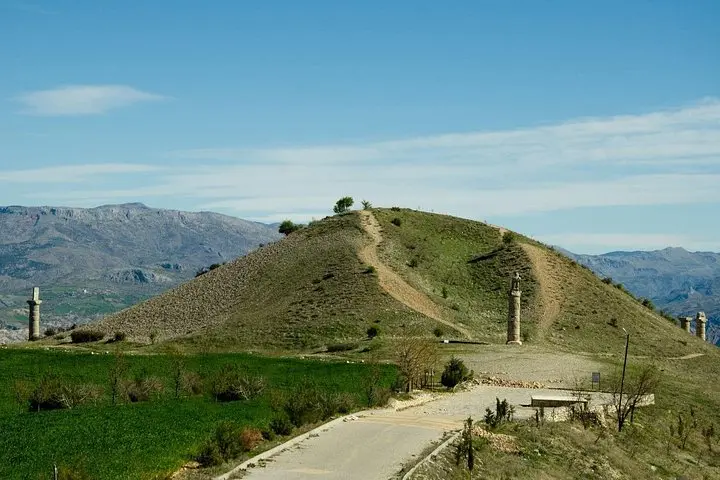
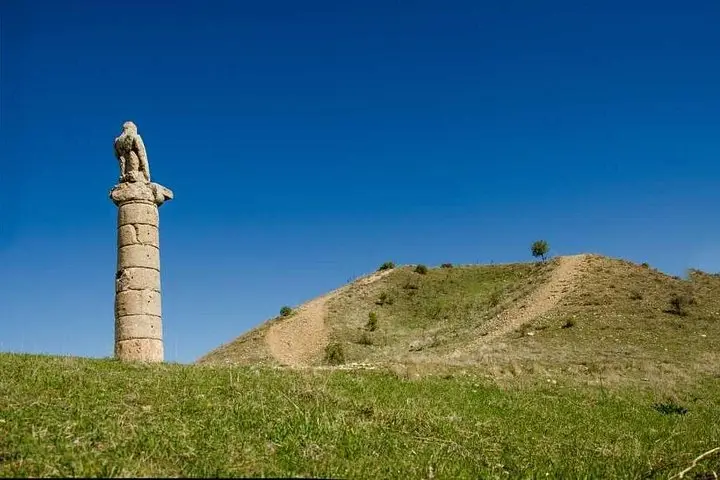
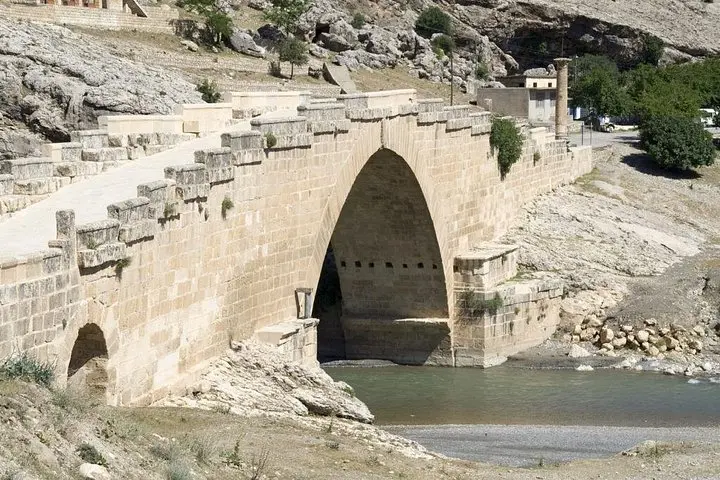
This site is the funerary sanctuary of King Antiochus I of Commagene, built in the 1st century BCE. The mountain itself is one of the higher peaks of the eastern Taurus chain; its crushed limestone and volcanic soils shaped the terraces and the long views across the Kahta valley. Nearby Arsemia, Karakuş Tumulus and the Severan Bridge sketch a region where Hellenistic, Persian and Roman cultures met and left layered stonework and inscriptions.
Expect short, steep walks between parking areas and terraces, dusty paths, and cold, windy conditions at sunrise — temperatures can be 10–15°C colder than Kahta. Photography windows are small: sunrise and sunset draw crowds, so move deliberately. Guides usually include return flights to Istanbul, one hotel night in Kahta and local meals.
Practical: bring layered clothing, a headlamp for pre-dawn walks, walking shoes with good grip, and cash for small vendors. Allow time for altitude adjustment and limited services on the mountain; mobile signal is patchy. The payoff is immediate: the statues’ broken heads and the low sun create a theatrical, almost confrontational landscape — an archaeological stage carved into a living mountain.
This is a 2-day, 1-night tour that includes flights between Istanbul and Adıyaman, transport to Kahta, a sunset visit, an overnight in Kahta and an early-morning sunrise return to the summit.
The walks from the parking areas to the terraces are short (15–30 minutes) but steep and on uneven ground; basic mobility and balance are required.
Most guided packages include entrance to the Nemrut site, but confirm with the operator; bring cash for incidental local fees or purchases.
Late spring through early autumn offers milder conditions, but clear skies for sunrise and sunset can occur year-round; winters are cold and snow can limit access.
We Go Turkiye Travel operates guided outdoor trips and adventures with an emphasis on safety, stewardship, and memorable experiences.
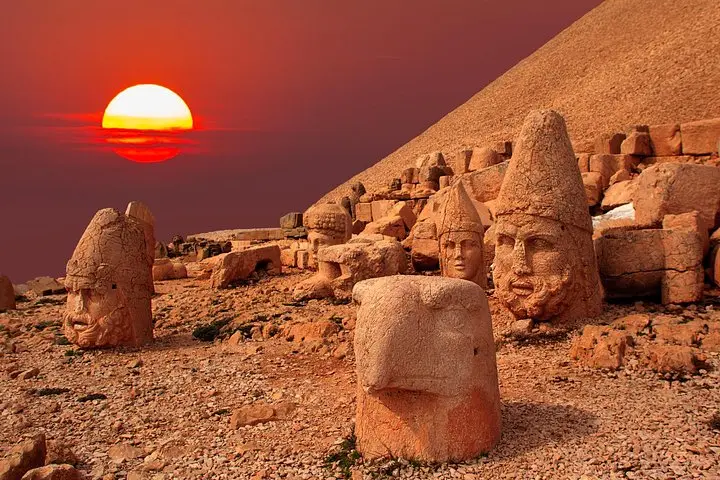
You arrive before dawn on a gravel saddle above southeastern Turkey, where wind and stone trade stories. Torso-sized stone heads lie scattered like relics of a storm; the eastern terrace waits for sunrise while the western terrace holds its breath for sunset. Standing on the summit, the sky and the statues measure time together — slow, deliberate, unforgettable.
You arrive before dawn on a gravel saddle above southeastern Turkey, where wind and stone trade stories. Torso-sized stone heads lie scattered like relics of a storm; the eastern terrace waits for sunrise while the western terrace holds its breath for sunset. Standing on the summit, the sky and the statues measure time together — slow, deliberate, unforgettable.
This site is the funerary sanctuary of King Antiochus I of Commagene, built in the 1st century BCE. The mountain itself is one of the higher peaks of the eastern Taurus chain; its crushed limestone and volcanic soils shaped the terraces and the long views across the Kahta valley. Nearby Arsemia, Karakuş Tumulus and the Severan Bridge sketch a region where Hellenistic, Persian and Roman cultures met and left layered stonework and inscriptions.
Expect short, steep walks between parking areas and terraces, dusty paths, and cold, windy conditions at sunrise — temperatures can be 10–15°C colder than Kahta. Photography windows are small: sunrise and sunset draw crowds, so move deliberately. Guides usually include return flights to Istanbul, one hotel night in Kahta and local meals.
Practical: bring layered clothing, a headlamp for pre-dawn walks, walking shoes with good grip, and cash for small vendors. Allow time for altitude adjustment and limited services on the mountain; mobile signal is patchy. The payoff is immediate: the statues’ broken heads and the low sun create a theatrical, almost confrontational landscape — an archaeological stage carved into a living mountain.