THE ADVENTURE COLLECTIVE® · Independent discovery and booking for outdoor travel

Stand with giant stone heads as the sun shifts the faces of gods on Mount Nemrut, then travel to Göbekli Tepe — the 12,000‑year‑old ritual site that rewrote prehistory. This two‑day trip from Istanbul combines sunrise drama with archaeological depth and practical travel logistics.
Stand with giant stone heads as the sun shifts the faces of gods on Mount Nemrut, then travel to Göbekli Tepe — the 12,000‑year‑old ritual site that rewrote prehistory. This two‑day trip from Istanbul combines sunrise drama with archaeological depth and practical travel logistics.
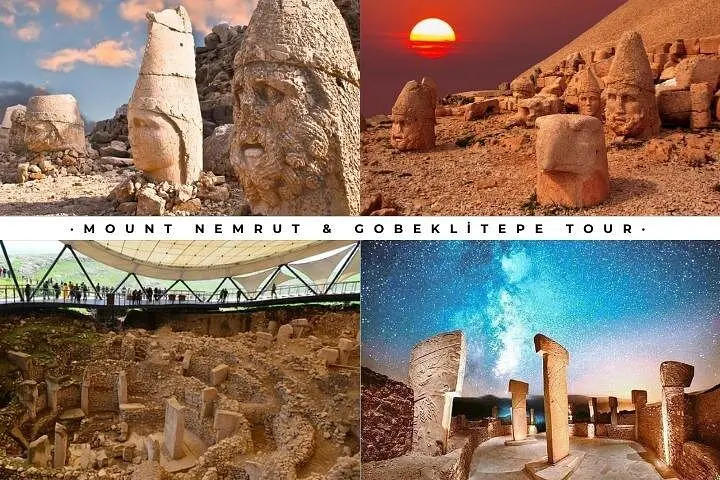
You climb from the hotel with a thermos of strong tea and a headlamp’s cone cutting through pre-dawn cold. At the summit the wind pushes at you as stone heads stare out over a high plain; the east and west terraces of Nemrut frame a ruined royal sanctuary where 8–9 metre statues keep watch. The light moves quickly here — sunrise and sunset change the faces of the carved gods and the king who built them.
Verified experiences and guided adventures in the surrounding area.
Operated by We Go Turkiye Travel · Kahta, Adıyaman
You climb from the hotel with a thermos of strong tea and a headlamp’s cone cutting through pre-dawn cold. At the summit the wind pushes at you as stone heads stare out over a high plain; the east and west terraces of Nemrut frame a ruined royal sanctuary where 8–9 metre statues keep watch. The light moves quickly here — sunrise and sunset change the faces of the carved gods and the king who built them.
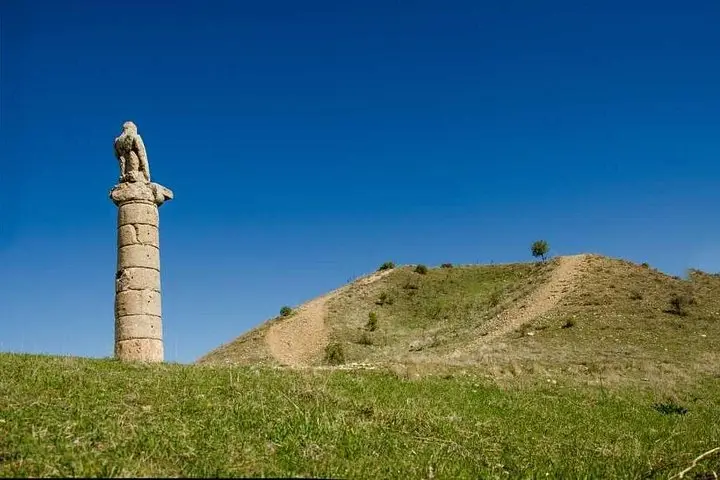
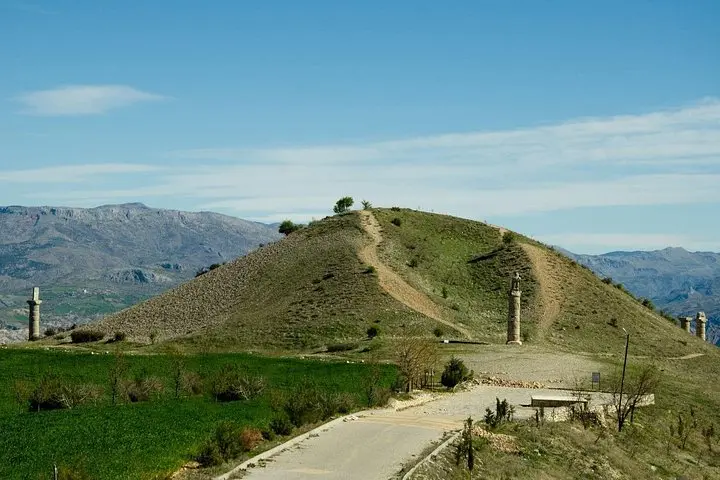
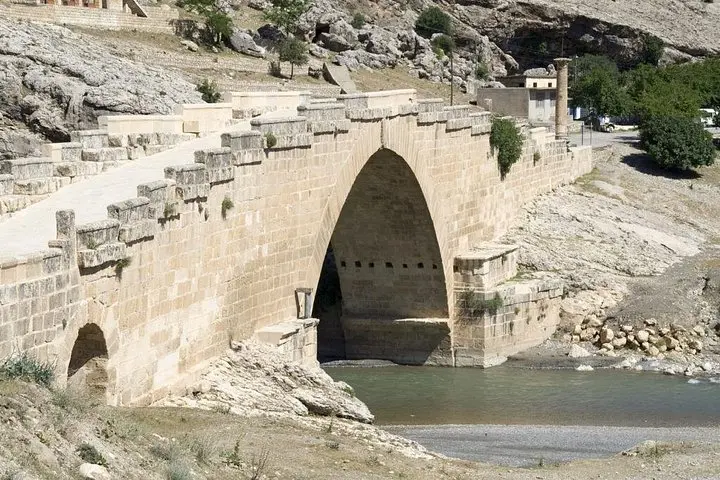
This trip threads two different eras. Mount Nemrut is a Hellenistic mountaintop mausoleum commissioned by King Antiochus I of the Commagene Kingdom in the 1st century BCE; its carved gods reflect Persian and Greek influences. Two hundred kilometres southeast, Göbekli Tepe overturns expectations: a 12,000‑year‑old ritual complex predating pottery and settled farming, reshaping theories about Neolithic society. The region’s geology is dramatic — high limestone ridges and steppe plateaus punctuated by tumuli and ancient river terraces — and local culture mixes Kurdish, Turkish and Arab traditions centered in Kahta and Şanlıurfa.
Practical edge: flights link Istanbul to Adıyaman; the itinerary includes short drives, brief uphill walks to Nemrut’s terraces (summit ~2,100 m) and museum visits in Şanlıurfa. Expect uneven volcanic and rubble stone underfoot, pre‑dawn cold for sunrise, and dusty markets in town. Guides usually handle entrances and transfers and one night is spent in a Kahta hotel. Bring layers, sturdy shoes, a headlamp for the summit approach, and patience for trade winds and quick temperature shifts. With moderate fitness you can cover the highlights in two packed days and return to Istanbul with a very different view of ancient history.
The walk from the road parking to the terraces is short (20–45 minutes) but steep and on loose rock; moderate fitness is enough and guides pace the group.
This itinerary typically includes domestic roundtrip flights and museum/site tickets as described—confirm inclusions at booking.
Sunrise and sunset provide the most dramatic light; sunrise is colder and less crowded, sunset can be windier.
Yes—this two‑day schedule is designed to link Adıyaman/Kahta and Şanlıurfa sites with domestic flights and transfers, but expect busy days and early starts.
We Go Turkiye Travel operates guided outdoor trips and adventures with an emphasis on safety, stewardship, and memorable experiences.
You climb from the hotel with a thermos of strong tea and a headlamp’s cone cutting through pre-dawn cold. At the summit the wind pushes at you as stone heads stare out over a high plain; the east and west terraces of Nemrut frame a ruined royal sanctuary where 8–9 metre statues keep watch. The light moves quickly here — sunrise and sunset change the faces of the carved gods and the king who built them.
You climb from the hotel with a thermos of strong tea and a headlamp’s cone cutting through pre-dawn cold. At the summit the wind pushes at you as stone heads stare out over a high plain; the east and west terraces of Nemrut frame a ruined royal sanctuary where 8–9 metre statues keep watch. The light moves quickly here — sunrise and sunset change the faces of the carved gods and the king who built them.
This trip threads two different eras. Mount Nemrut is a Hellenistic mountaintop mausoleum commissioned by King Antiochus I of the Commagene Kingdom in the 1st century BCE; its carved gods reflect Persian and Greek influences. Two hundred kilometres southeast, Göbekli Tepe overturns expectations: a 12,000‑year‑old ritual complex predating pottery and settled farming, reshaping theories about Neolithic society. The region’s geology is dramatic — high limestone ridges and steppe plateaus punctuated by tumuli and ancient river terraces — and local culture mixes Kurdish, Turkish and Arab traditions centered in Kahta and Şanlıurfa.
Practical edge: flights link Istanbul to Adıyaman; the itinerary includes short drives, brief uphill walks to Nemrut’s terraces (summit ~2,100 m) and museum visits in Şanlıurfa. Expect uneven volcanic and rubble stone underfoot, pre‑dawn cold for sunrise, and dusty markets in town. Guides usually handle entrances and transfers and one night is spent in a Kahta hotel. Bring layers, sturdy shoes, a headlamp for the summit approach, and patience for trade winds and quick temperature shifts. With moderate fitness you can cover the highlights in two packed days and return to Istanbul with a very different view of ancient history.