THE ADVENTURE COLLECTIVE® · Independent discovery and booking for outdoor travel

A private full-day SUV tour that circles Mount Rainier, stopping for waterfalls, meadow walks and glacier views. Ideal for travelers who want a curated, flexible visit with local insight and hotel pickup from Seattle or nearby towns.
A private full-day SUV tour that circles Mount Rainier, stopping for waterfalls, meadow walks and glacier views. Ideal for travelers who want a curated, flexible visit with local insight and hotel pickup from Seattle or nearby towns.
You feel the SUV settle into a steady rhythm as the Seattle skyline thins and cedars begin to grow taller than the radio signal. By the time Mount Rainier pulls free of the clouds, its south face is a white, patient dome—glaciers slow-moving like ancient rivers of glass—and the guide has already pointed out the first waterfall plunging from a mossy ledge. The day unfolds as a loop: old-growth forests that hum with birdsong, meadows erupting in lupine and paintbrush, and roadside viewpoints where the mountain fills the rearview like a living map.
Verified experiences and guided adventures in the surrounding area.
Operated by Cheryl's Northwest Tours LLC · Ashford, Washington
You feel the SUV settle into a steady rhythm as the Seattle skyline thins and cedars begin to grow taller than the radio signal. By the time Mount Rainier pulls free of the clouds, its south face is a white, patient dome—glaciers slow-moving like ancient rivers of glass—and the guide has already pointed out the first waterfall plunging from a mossy ledge. The day unfolds as a loop: old-growth forests that hum with birdsong, meadows erupting in lupine and paintbrush, and roadside viewpoints where the mountain fills the rearview like a living map.
Mount Rainier National Park has been a spiritual and practical landmark for local tribes—the Puyallup, Muckleshoot and Yakama—who call the peak Tahoma or Tacoma. Geologically, Rainier is a stratovolcano topped with more glacial ice than any other peak in the contiguous U.S.; its glaciers carve valleys and feed rivers that dare you to follow them downstream. The park was set aside at the turn of the 20th century (1899) as part of a growing conservation movement; today the land balances active recreation, scientific study and cultural stewardship.
Your guide moves the day from big-picture geology to intimate details: a crevice of blue ice, the scent of damp duff where the forest floor is breaking down centuries-old logs, and the subtle signs of elk along a ridge. The tour includes up to four stops for short walks—waterfalls, viewpoints and meadows—so whether you want to hike a few miles or simply step out for a photo, the pace is customized. On winter edges of spring and late October you may encounter snow at Paradise; roads are usually open, but the itinerary may adapt, adding lower-elevation walks when high passes are still white.
Practical matters are straightforward. This private, full-day experience runs about nine hours and covers most of the accessible park roads, so expect a lot of drive-time punctuated with purposeful stops. Bring day hiking shoes (the guide provides options for light to moderate walking), layers for shifting weather, and a daypack with water—your signature bottle comes with the tour. The operator handles park entry fees and pickup/drop-off from Seattle or local hotels, which makes logistics simple for visitors who prefer not to drive.
If you want sweeping alpine meadows and a front-row view of glaciated ridgelines without the bother of route-finding or parking, this is a compact way to see Rainier’s major landscapes in one day. Watch for wildlife along river corridors, carry out what you carry in, and plan your visit around wildflower season (late June–July) or the quieter shoulder months for clearer skies and thin crowds.
The tour is approximately 9 hours (540 minutes); expect significant drive time circling the mountain, with planned stops for walks and viewpoints.
Yes—this private tour is customizable; you can opt for minimal walking and the operator accommodates strollers and infants with specialized seats.
Snow is common at Paradise in early spring, late October and sometimes May–June at higher elevations; guides will adapt stops to lower elevations when necessary.
Yes—National Park fees are included in the tour price as noted in the inclusions.
Common sightings include black-tailed deer, elk, marmots and various raptors; sightings depend on season and time of day.
For a full refund cancel at least 24 hours before departure; cancellations within 24 hours are not refundable according to the standard policy.
Cheryl's Northwest Tours LLC operates guided outdoor trips and adventures with an emphasis on safety, stewardship, and memorable experiences.
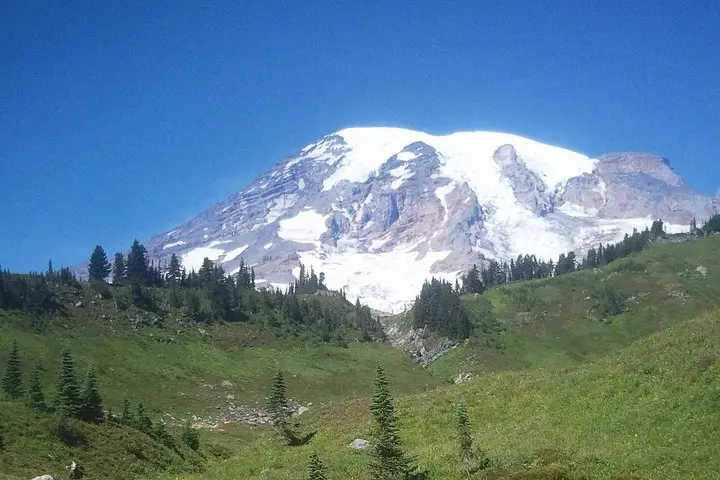
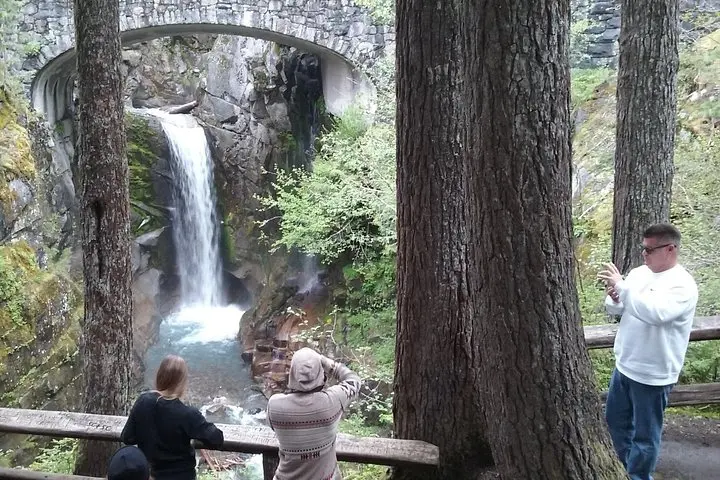
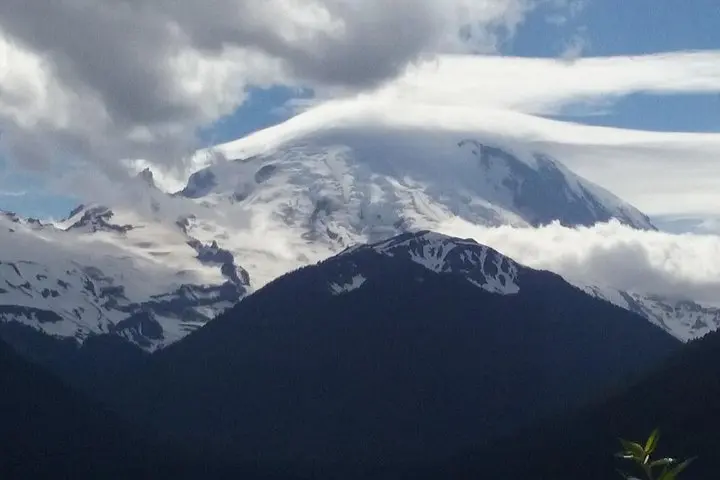
You feel the SUV settle into a steady rhythm as the Seattle skyline thins and cedars begin to grow taller than the radio signal. By the time Mount Rainier pulls free of the clouds, its south face is a white, patient dome—glaciers slow-moving like ancient rivers of glass—and the guide has already pointed out the first waterfall plunging from a mossy ledge. The day unfolds as a loop: old-growth forests that hum with birdsong, meadows erupting in lupine and paintbrush, and roadside viewpoints where the mountain fills the rearview like a living map.
You feel the SUV settle into a steady rhythm as the Seattle skyline thins and cedars begin to grow taller than the radio signal. By the time Mount Rainier pulls free of the clouds, its south face is a white, patient dome—glaciers slow-moving like ancient rivers of glass—and the guide has already pointed out the first waterfall plunging from a mossy ledge. The day unfolds as a loop: old-growth forests that hum with birdsong, meadows erupting in lupine and paintbrush, and roadside viewpoints where the mountain fills the rearview like a living map.
Mount Rainier National Park has been a spiritual and practical landmark for local tribes—the Puyallup, Muckleshoot and Yakama—who call the peak Tahoma or Tacoma. Geologically, Rainier is a stratovolcano topped with more glacial ice than any other peak in the contiguous U.S.; its glaciers carve valleys and feed rivers that dare you to follow them downstream. The park was set aside at the turn of the 20th century (1899) as part of a growing conservation movement; today the land balances active recreation, scientific study and cultural stewardship.
Your guide moves the day from big-picture geology to intimate details: a crevice of blue ice, the scent of damp duff where the forest floor is breaking down centuries-old logs, and the subtle signs of elk along a ridge. The tour includes up to four stops for short walks—waterfalls, viewpoints and meadows—so whether you want to hike a few miles or simply step out for a photo, the pace is customized. On winter edges of spring and late October you may encounter snow at Paradise; roads are usually open, but the itinerary may adapt, adding lower-elevation walks when high passes are still white.
Practical matters are straightforward. This private, full-day experience runs about nine hours and covers most of the accessible park roads, so expect a lot of drive-time punctuated with purposeful stops. Bring day hiking shoes (the guide provides options for light to moderate walking), layers for shifting weather, and a daypack with water—your signature bottle comes with the tour. The operator handles park entry fees and pickup/drop-off from Seattle or local hotels, which makes logistics simple for visitors who prefer not to drive.
If you want sweeping alpine meadows and a front-row view of glaciated ridgelines without the bother of route-finding or parking, this is a compact way to see Rainier’s major landscapes in one day. Watch for wildlife along river corridors, carry out what you carry in, and plan your visit around wildflower season (late June–July) or the quieter shoulder months for clearer skies and thin crowds.