THE ADVENTURE COLLECTIVE® · Independent discovery and booking for outdoor travel

Climb Mount Sinai overnight to witness a desert sunrise, then explore the ancient St. Catherine Monastery. This guided tour blends a physical summit, Bedouin-led navigation, and Byzantine history into one long day of stark landscapes and quiet monuments.
Climb Mount Sinai overnight to witness a desert sunrise, then explore the ancient St. Catherine Monastery. This guided tour blends a physical summit, Bedouin-led navigation, and Byzantine history into one long day of stark landscapes and quiet monuments.
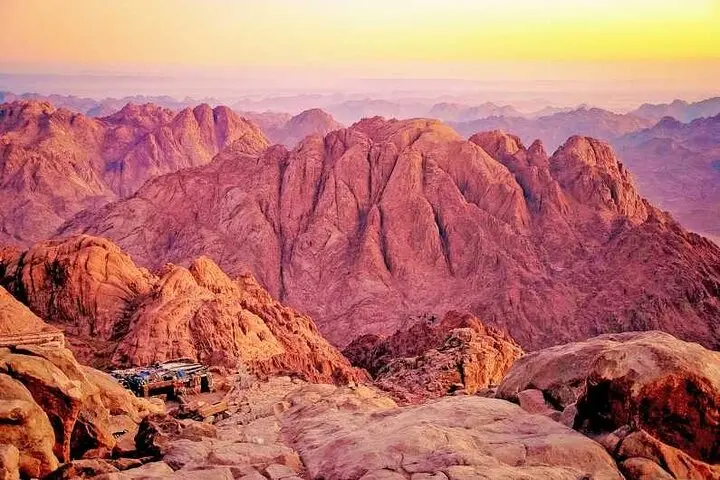
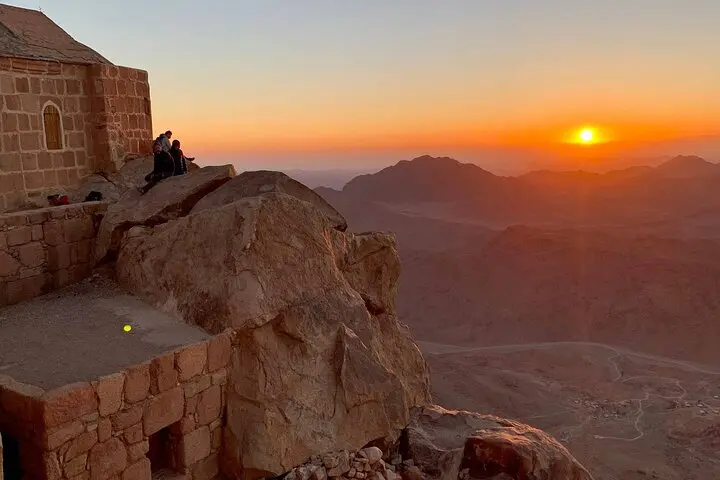
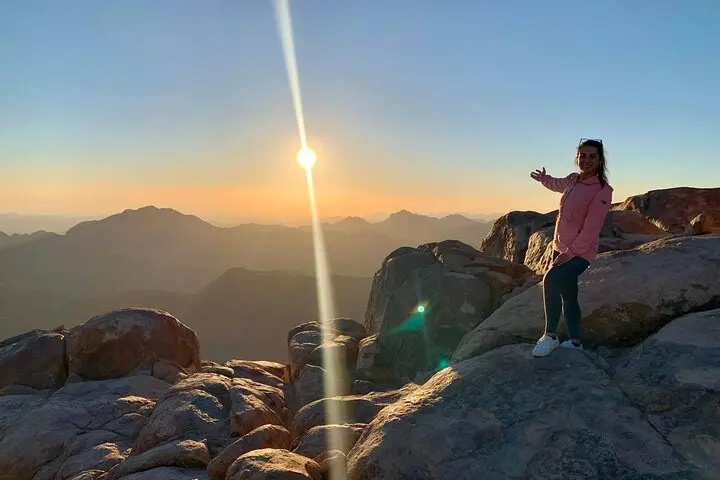
You leave Sharm El Sheikh when the town sleeps and the desert is a cold, black sheet. Headlights etch the road; the silhouette of Mount Sinai rises like a dark promise against the star field. A Bedouin guide leads the steady, foot-by-foot ascent—stone steps, loose scree and chill wind—until the horizon brightens and the summit blooms in gold. The sunrise here is tactile: light carving ridgelines, casting long shadows into the folds of the peninsula.
Verified experiences and guided adventures in the surrounding area.
Operated by Wow Travel Egypt · St. Catherine, South Sinai Governorate
You leave Sharm El Sheikh when the town sleeps and the desert is a cold, black sheet. Headlights etch the road; the silhouette of Mount Sinai rises like a dark promise against the star field. A Bedouin guide leads the steady, foot-by-foot ascent—stone steps, loose scree and chill wind—until the horizon brightens and the summit blooms in gold. The sunrise here is tactile: light carving ridgelines, casting long shadows into the folds of the peninsula.
Geology here is raw and ancient—Precambrian granite sculpted by wind and time—while human history is layered on top: the mountain long tied to biblical tradition and the Monastery of St. Catherine, founded in the 6th century under Byzantine patronage, preserves icons and manuscripts that trace Christianity’s deep roots in Sinai. The monastery’s Chapel of the Burning Bush and small library feel like quiet counterpoints to the summit’s theatrical dawn.
Practicalities: expect 3–4 hours round-trip for the climb depending on pace, with many stone steps rather than technical scrambling. Night temperatures drop sharply; pack windproof layers and a headlamp with fresh batteries. Bring at least 1.5–2 liters of water, sturdy shoes with good traction, and cash for monastery donations or a Bedouin tea. Respect monastery rules—no flash photography in sacred spaces and modest dress in communal areas. Aim for the guided option for navigation and cultural context; a local guide also helps support the community. The route is strenuous in places but accessible to most people with reasonable fitness and a steady pace.
The route is mostly stone steps and compact trail—physically demanding because of duration and stairs but not technical; most people with reasonable fitness complete it with breaks.
Yes—the Monastery of St. Catherine is generally open after dawn; guided tours include time to see the Chapel of the Burning Bush and the library, but check for religious services or restricted areas.
Entrance fees for St. Catherine National Park and the monastery are typically included in guided tours; independent visitors may pay on arrival—carry some cash for fees and donations.
Donkeys and camel rides are sometimes available for parts of the ascent, but they are not recommended for the steepest sections and ethical considerations vary—confirm with your guide.
Wow Travel Egypt operates guided outdoor trips and adventures with an emphasis on safety, stewardship, and memorable experiences.
You leave Sharm El Sheikh when the town sleeps and the desert is a cold, black sheet. Headlights etch the road; the silhouette of Mount Sinai rises like a dark promise against the star field. A Bedouin guide leads the steady, foot-by-foot ascent—stone steps, loose scree and chill wind—until the horizon brightens and the summit blooms in gold. The sunrise here is tactile: light carving ridgelines, casting long shadows into the folds of the peninsula.
You leave Sharm El Sheikh when the town sleeps and the desert is a cold, black sheet. Headlights etch the road; the silhouette of Mount Sinai rises like a dark promise against the star field. A Bedouin guide leads the steady, foot-by-foot ascent—stone steps, loose scree and chill wind—until the horizon brightens and the summit blooms in gold. The sunrise here is tactile: light carving ridgelines, casting long shadows into the folds of the peninsula.
Geology here is raw and ancient—Precambrian granite sculpted by wind and time—while human history is layered on top: the mountain long tied to biblical tradition and the Monastery of St. Catherine, founded in the 6th century under Byzantine patronage, preserves icons and manuscripts that trace Christianity’s deep roots in Sinai. The monastery’s Chapel of the Burning Bush and small library feel like quiet counterpoints to the summit’s theatrical dawn.
Practicalities: expect 3–4 hours round-trip for the climb depending on pace, with many stone steps rather than technical scrambling. Night temperatures drop sharply; pack windproof layers and a headlamp with fresh batteries. Bring at least 1.5–2 liters of water, sturdy shoes with good traction, and cash for monastery donations or a Bedouin tea. Respect monastery rules—no flash photography in sacred spaces and modest dress in communal areas. Aim for the guided option for navigation and cultural context; a local guide also helps support the community. The route is strenuous in places but accessible to most people with reasonable fitness and a steady pace.