THE ADVENTURE COLLECTIVE® · Independent discovery and booking for outdoor travel

Stand on Mount Srđ’s ridge for sweeping Adriatic views, then step into the ruins of Kupari’s former Yugoslav hotels to read the physical story of conflict and change. This private 4–5 hour tour pairs battlefield history, dramatic coastal geology, and restored Old Town memorials.
Stand on Mount Srđ’s ridge for sweeping Adriatic views, then step into the ruins of Kupari’s former Yugoslav hotels to read the physical story of conflict and change. This private 4–5 hour tour pairs battlefield history, dramatic coastal geology, and restored Old Town memorials.
You arrive at the base of Mount Srđ as the Adriatic opens to the west, a low wind carrying salt and the sound of boats. The hill rises to 412 meters, its ridge drawing your eye up to the Imperial Fortress where stone scarred by conflict still frames a view that seems to measure time itself.
Verified experiences and guided adventures in the surrounding area.
Operated by Adriatic Vision · Dubrovnik, Dubrovnik-Neretva County
You arrive at the base of Mount Srđ as the Adriatic opens to the west, a low wind carrying salt and the sound of boats. The hill rises to 412 meters, its ridge drawing your eye up to the Imperial Fortress where stone scarred by conflict still frames a view that seems to measure time itself.
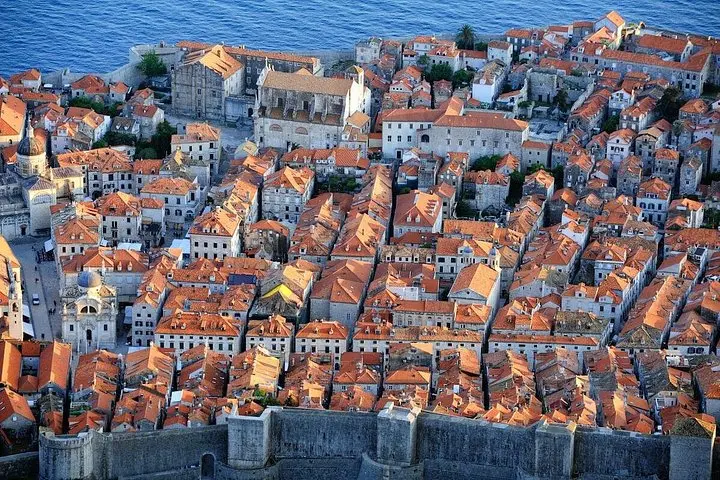
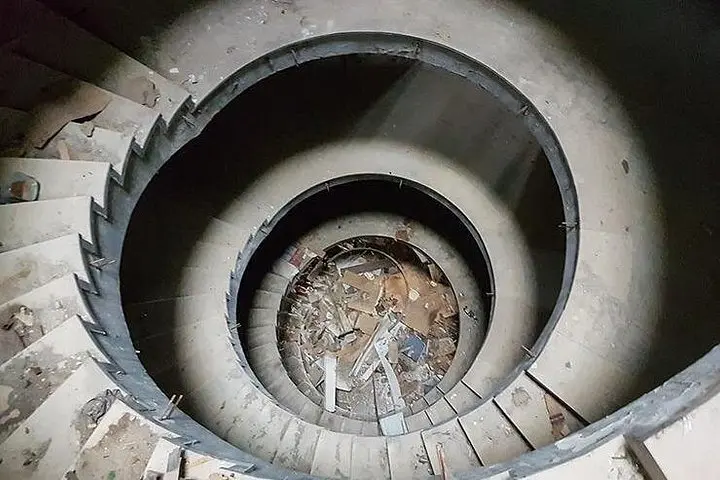
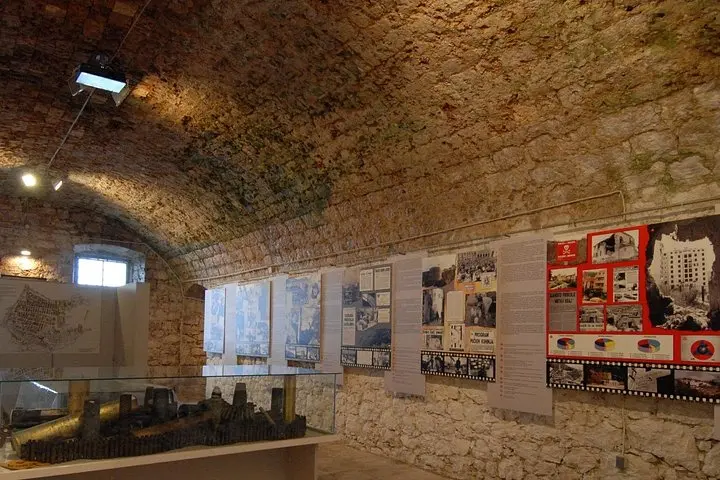
This private tour pairs panorama with provenance: Fort Imperial’s museum chronicles the 1991–1992 Siege of Dubrovnik with photographs, personal artifacts and artifacts that make the recent past tangible. Descend the road toward Kupari and you encounter concrete shells of the Hotel Belvedere and the Kupari resort — relics of Yugoslavia’s seaside boom, frozen in decay after wartime bombardment. Old Town provides contrast: UNESCO-listed walls rebuilt with careful restoration, memorials honoring defenders, and galleries such as War Photo Limited documenting human stories.
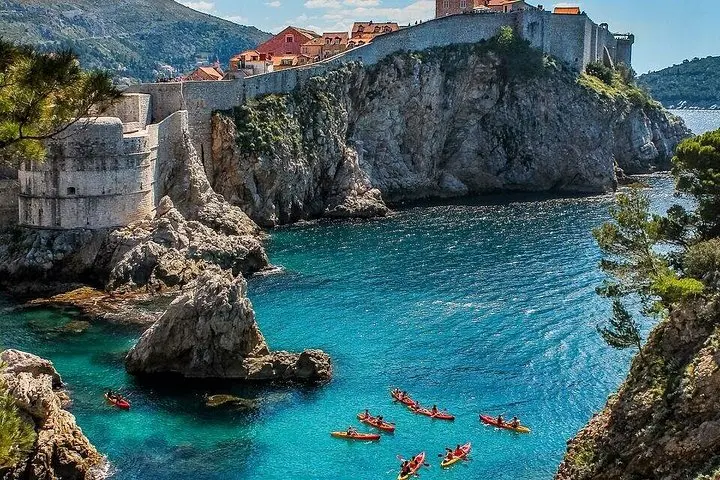
Geologically, Srđ is part of the Dinaric limestone ridges that drop sharply to the Adriatic, offering stony outcrops and scrub that challenge hikers and reward them with sweeping coastline views. Culturally, the area represents centuries of maritime trade, the legacy of the Republic of Ragusa, and a 20th-century pivot from socialist tourism to modern Croatian stewardship.
Practical guidance: this private excursion runs about 4–5 hours and requires moderate fitness for short hikes and uneven surfaces. Bring sun protection and at least 1–1.5 liters of water, sturdy shoes for rocky trails, and a camera with spare batteries — the light on the sea shifts quickly. Expect a mix of driving, short hikes and museum time; the best light for photos is early morning or late afternoon, and euros are now the local currency.
Expect several short hikes and stair sections, mostly on uneven ground—total walking time is moderate within a 4–5 hour tour.
Many structures are unstable and some areas are fenced; follow the guide’s instructions and don’t attempt unsanctioned entry.
Fort Imperial/War Museum typically charges a small admission fee; confirm with your tour operator for current pricing.
Tours are usually offered in English; private guides can often accommodate other languages if requested at booking.
Adriatic Vision operates guided outdoor trips and adventures with an emphasis on safety, stewardship, and memorable experiences.
You arrive at the base of Mount Srđ as the Adriatic opens to the west, a low wind carrying salt and the sound of boats. The hill rises to 412 meters, its ridge drawing your eye up to the Imperial Fortress where stone scarred by conflict still frames a view that seems to measure time itself.
You arrive at the base of Mount Srđ as the Adriatic opens to the west, a low wind carrying salt and the sound of boats. The hill rises to 412 meters, its ridge drawing your eye up to the Imperial Fortress where stone scarred by conflict still frames a view that seems to measure time itself.
This private tour pairs panorama with provenance: Fort Imperial’s museum chronicles the 1991–1992 Siege of Dubrovnik with photographs, personal artifacts and artifacts that make the recent past tangible. Descend the road toward Kupari and you encounter concrete shells of the Hotel Belvedere and the Kupari resort — relics of Yugoslavia’s seaside boom, frozen in decay after wartime bombardment. Old Town provides contrast: UNESCO-listed walls rebuilt with careful restoration, memorials honoring defenders, and galleries such as War Photo Limited documenting human stories.
Geologically, Srđ is part of the Dinaric limestone ridges that drop sharply to the Adriatic, offering stony outcrops and scrub that challenge hikers and reward them with sweeping coastline views. Culturally, the area represents centuries of maritime trade, the legacy of the Republic of Ragusa, and a 20th-century pivot from socialist tourism to modern Croatian stewardship.
Practical guidance: this private excursion runs about 4–5 hours and requires moderate fitness for short hikes and uneven surfaces. Bring sun protection and at least 1–1.5 liters of water, sturdy shoes for rocky trails, and a camera with spare batteries — the light on the sea shifts quickly. Expect a mix of driving, short hikes and museum time; the best light for photos is early morning or late afternoon, and euros are now the local currency.