THE ADVENTURE COLLECTIVE® · Independent discovery and booking for outdoor travel

A compact 2-day trek from Marrakech to the summit of Jebel Toubkal (4,167m). Expect steep mule tracks, scree near the top, Berber villages, and a high-mountain refuge night.
A compact 2-day trek from Marrakech to the summit of Jebel Toubkal (4,167m). Expect steep mule tracks, scree near the top, Berber villages, and a high-mountain refuge night.
The trail begins before dawn in the hush above Marrakech, when headlamps pick out terraces and stone huts and the High Atlas slopes silhouette against a cold sky.
Verified experiences and guided adventures in the surrounding area.
Operated by Desertbrise Travel · Imlil, Marrakesh-Safi
The trail begins before dawn in the hush above Marrakech, when headlamps pick out terraces and stone huts and the High Atlas slopes silhouette against a cold sky.
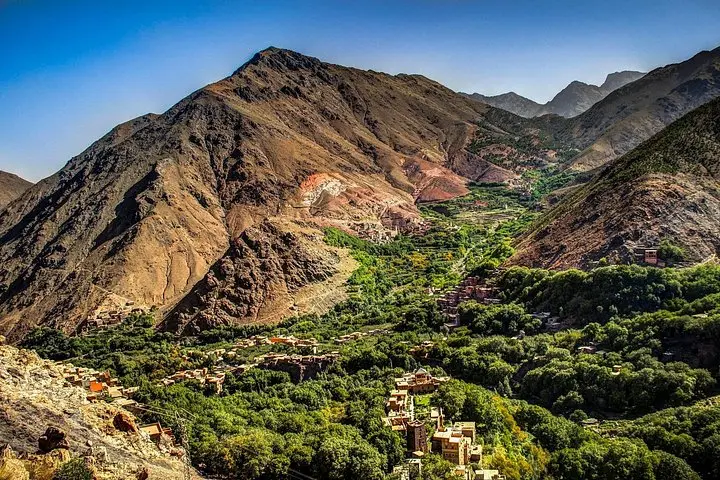
You move from olive groves into stony mule tracks, through Berber villages whose flat-roofed houses watch the valley. The first day climbs steadily from Imlil (1,740m) to the mountain refuge (≈3,200m), following a shrine and a seasonal stream; mules carry most kit, leaving you to feel the rhythm of the trail and the compressing air as altitude builds.
Jebel Toubkal (4,167m) is both a geological landmark and a cultural one — a volcanic and metamorphic massif shaped by uplift and erosion, with shepherding communities who have guided visitors along these routes for generations.
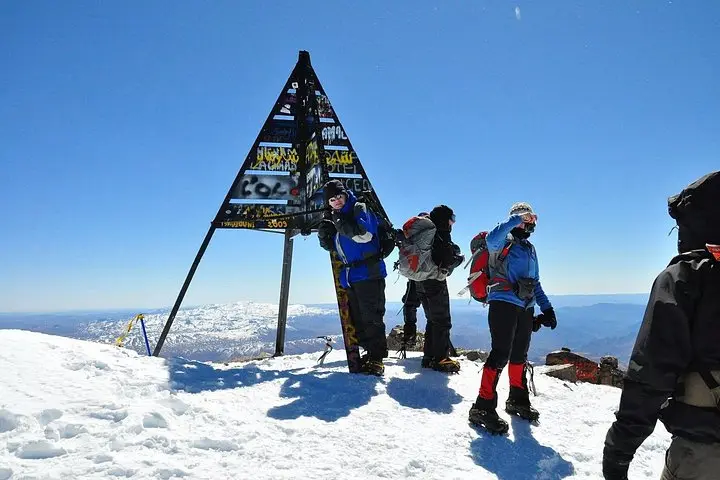
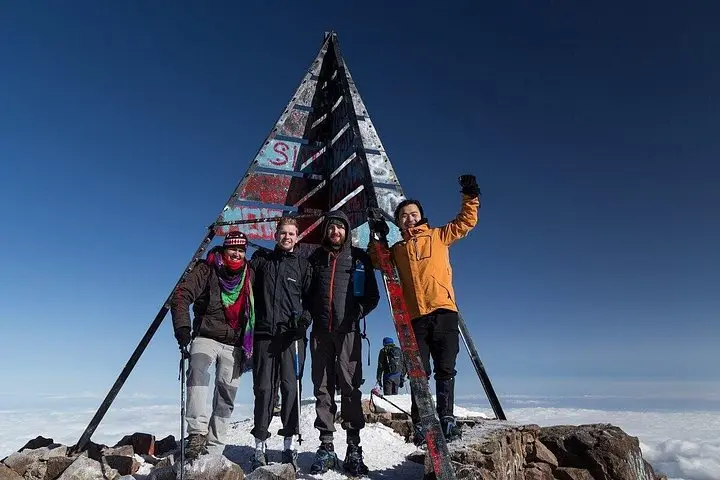
On summit morning the south cirque opens beneath you, loose scree daring each step and wide vistas pushing outward to the Marrakesh plain and, on clear days, to the distant Anti-Atlas and Sahara.
Practical guidance: plan two days, allow for alpine weather swings, and anticipate steep scree near the top. Hydrate well and pace for altitude — the summit is non-technical but physically demanding. A guided group provides a muleteer and refuge sleeping; bring layers, a warm hat, and footwear with confident grip. Start early on summit day to avoid afternoon wind and to keep firm footing on descent.
For anyone fit enough for long mountain days, Toubkal rewards effort with expansive views, a humbling sense of scale, and real contact with High Atlas mountain life.
The summit route is non-technical but physically demanding due to elevation gain (≈1,000–1,000+ m from the refuge) and loose scree; expect 6–8 hours round-trip from the refuge.
No technical climbing skills are required, but prior multi-day trekking experience and comfort on steep, loose terrain is recommended.
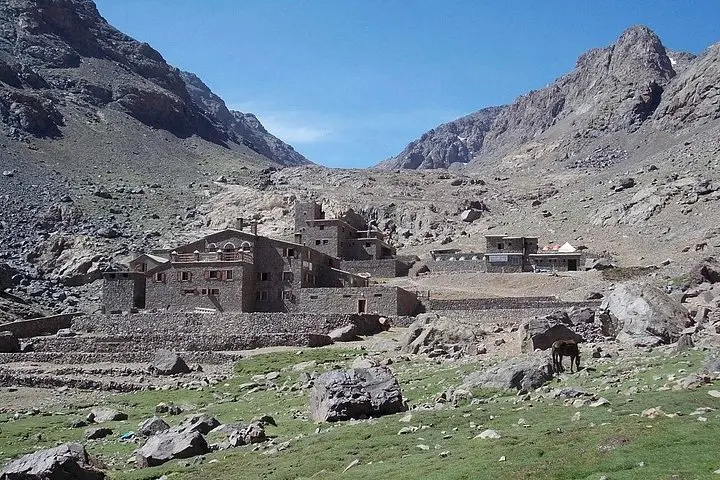
The first night is spent in a mountain refuge (basic dorm-style sleeping) at roughly 3,200m; some operators may offer a guesthouse in Imlil instead of the refuge for the first night.
Spring through autumn offers the most reliable conditions; winter brings deep snow and requires mountaineering gear and experience.
Desertbrise Travel operates guided outdoor trips and adventures with an emphasis on safety, stewardship, and memorable experiences.
The trail begins before dawn in the hush above Marrakech, when headlamps pick out terraces and stone huts and the High Atlas slopes silhouette against a cold sky.
The trail begins before dawn in the hush above Marrakech, when headlamps pick out terraces and stone huts and the High Atlas slopes silhouette against a cold sky.
You move from olive groves into stony mule tracks, through Berber villages whose flat-roofed houses watch the valley. The first day climbs steadily from Imlil (1,740m) to the mountain refuge (≈3,200m), following a shrine and a seasonal stream; mules carry most kit, leaving you to feel the rhythm of the trail and the compressing air as altitude builds.
Jebel Toubkal (4,167m) is both a geological landmark and a cultural one — a volcanic and metamorphic massif shaped by uplift and erosion, with shepherding communities who have guided visitors along these routes for generations.
On summit morning the south cirque opens beneath you, loose scree daring each step and wide vistas pushing outward to the Marrakesh plain and, on clear days, to the distant Anti-Atlas and Sahara.
Practical guidance: plan two days, allow for alpine weather swings, and anticipate steep scree near the top. Hydrate well and pace for altitude — the summit is non-technical but physically demanding. A guided group provides a muleteer and refuge sleeping; bring layers, a warm hat, and footwear with confident grip. Start early on summit day to avoid afternoon wind and to keep firm footing on descent.
For anyone fit enough for long mountain days, Toubkal rewards effort with expansive views, a humbling sense of scale, and real contact with High Atlas mountain life.