THE ADVENTURE COLLECTIVE® · Independent discovery and booking for outdoor travel

A short, volcanic hike from Sorrento brings you to Mount Vesuvius’ rim with broad views over the Gulf of Naples and direct access to Pompeii. This semi-private transfer-and-hike pairs easy logistics with a gritty, exposed ascent to an active volcano’s crater.
A short, volcanic hike from Sorrento brings you to Mount Vesuvius’ rim with broad views over the Gulf of Naples and direct access to Pompeii. This semi-private transfer-and-hike pairs easy logistics with a gritty, exposed ascent to an active volcano’s crater.
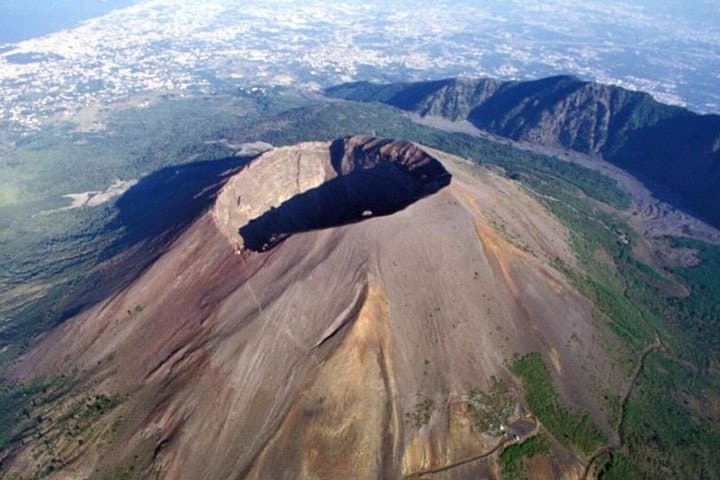
You arrive by train into Pompeii and, within an hour, find yourself climbing toward Vesuvius’ raw, dark flank. Wind combs the ash and pumice; the trail underfoot is coarse and volcanic, and the crater sits like a scar that still breathes. From the rim the Gulf of Naples opens wide — Capri, Ischia and the Sorrentine coast float on the blue, while Naples crouches nearer, urban and distant at once.
Verified experiences and guided adventures in the surrounding area.
Operated by Pompei Tour Organizer S.R.L. · Pompeii, Campania
You arrive by train into Pompeii and, within an hour, find yourself climbing toward Vesuvius’ raw, dark flank. Wind combs the ash and pumice; the trail underfoot is coarse and volcanic, and the crater sits like a scar that still breathes. From the rim the Gulf of Naples opens wide — Capri, Ischia and the Sorrentine coast float on the blue, while Naples crouches nearer, urban and distant at once.
Vesuvius is the only active volcano on continental Europe, forever linked to the AD 79 eruption that entombed Pompeii and Herculaneum. Geologically it’s a stratovolcano formed by subduction of the African plate beneath Eurasia; you hike across layers of hardened lava, ash and pumice that record repeated eruptions. Culturally the mountain has long shaped local life — vineyards and citrus orchards climb its lower slopes, and towns like Pompeii bear the imprint of classical Rome.
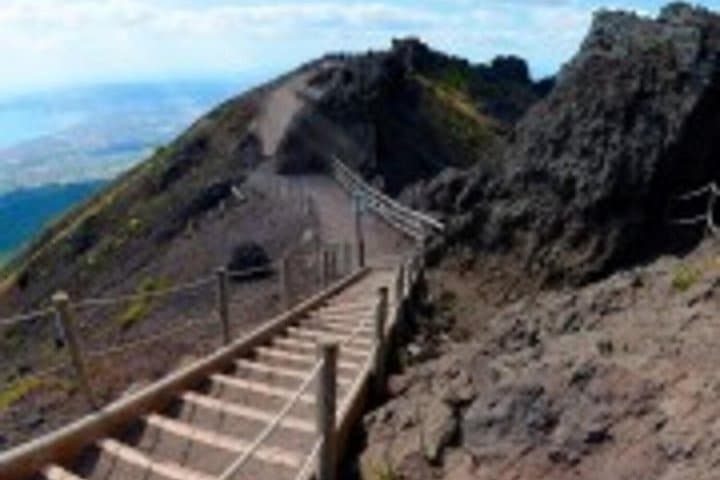
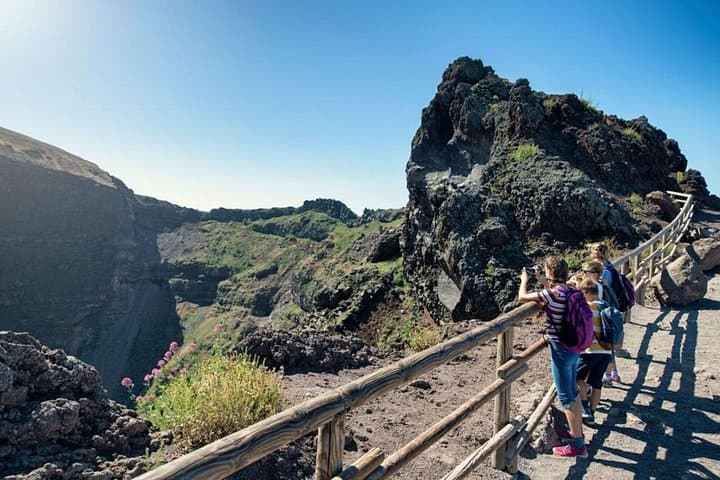
Expect a short but gritty uphill walk from the minibus drop-off to the crater rim — roughly 1–1.5 km with a few hundred metres of loose, rocky ascent — mostly exposed terrain with panoramic payoff. The crater edge can be windy; the earth seems to watch as you peer into its hollow.
Practical guidance: carry 1–2 litres of water, wear sturdy shoes with traction, and layer a windproof shell. Peak visitation runs mid-morning through late afternoon; arrive early for quieter conditions. The tour includes train tickets and crater admission, but plan for uneven footing and short stretches of standing. Respect marked paths and park rules — Vesuvius is a living landscape and the views reward mindful travel.
Yes — the tour price includes the entrance ticket to the Vesuvius crater and roundtrip train tickets from Sorrento to Pompei, plus the bus transfer up the volcano.
The walk is short (about 1–1.5 km) but on loose volcanic rock with a few hundred metres of ascent; it’s best suited to those comfortable with moderate uphill walks.
Children can join but infants must sit on an adult’s lap during transport; parents should assess ability to handle uneven terrain and wind at the rim.
The operator cancels for bad weather; for a full refund you must cancel at least 24 hours before departure according to the tour’s policy.
Pompei Tour Organizer S.R.L. operates guided outdoor trips and adventures with an emphasis on safety, stewardship, and memorable experiences.
You arrive by train into Pompeii and, within an hour, find yourself climbing toward Vesuvius’ raw, dark flank. Wind combs the ash and pumice; the trail underfoot is coarse and volcanic, and the crater sits like a scar that still breathes. From the rim the Gulf of Naples opens wide — Capri, Ischia and the Sorrentine coast float on the blue, while Naples crouches nearer, urban and distant at once.
You arrive by train into Pompeii and, within an hour, find yourself climbing toward Vesuvius’ raw, dark flank. Wind combs the ash and pumice; the trail underfoot is coarse and volcanic, and the crater sits like a scar that still breathes. From the rim the Gulf of Naples opens wide — Capri, Ischia and the Sorrentine coast float on the blue, while Naples crouches nearer, urban and distant at once.
Vesuvius is the only active volcano on continental Europe, forever linked to the AD 79 eruption that entombed Pompeii and Herculaneum. Geologically it’s a stratovolcano formed by subduction of the African plate beneath Eurasia; you hike across layers of hardened lava, ash and pumice that record repeated eruptions. Culturally the mountain has long shaped local life — vineyards and citrus orchards climb its lower slopes, and towns like Pompeii bear the imprint of classical Rome.
Expect a short but gritty uphill walk from the minibus drop-off to the crater rim — roughly 1–1.5 km with a few hundred metres of loose, rocky ascent — mostly exposed terrain with panoramic payoff. The crater edge can be windy; the earth seems to watch as you peer into its hollow.
Practical guidance: carry 1–2 litres of water, wear sturdy shoes with traction, and layer a windproof shell. Peak visitation runs mid-morning through late afternoon; arrive early for quieter conditions. The tour includes train tickets and crater admission, but plan for uneven footing and short stretches of standing. Respect marked paths and park rules — Vesuvius is a living landscape and the views reward mindful travel.