THE ADVENTURE COLLECTIVE® · Independent discovery and booking for outdoor travel

Watch the sun climb over Mount Batur’s caldera on a guided private sunrise trek from Kintamani. This practical guide covers what to expect on the trail, local context, and the gear and timing you’ll need for a safe, unforgettable dawn.
Watch the sun climb over Mount Batur’s caldera on a guided private sunrise trek from Kintamani. This practical guide covers what to expect on the trail, local context, and the gear and timing you’ll need for a safe, unforgettable dawn.
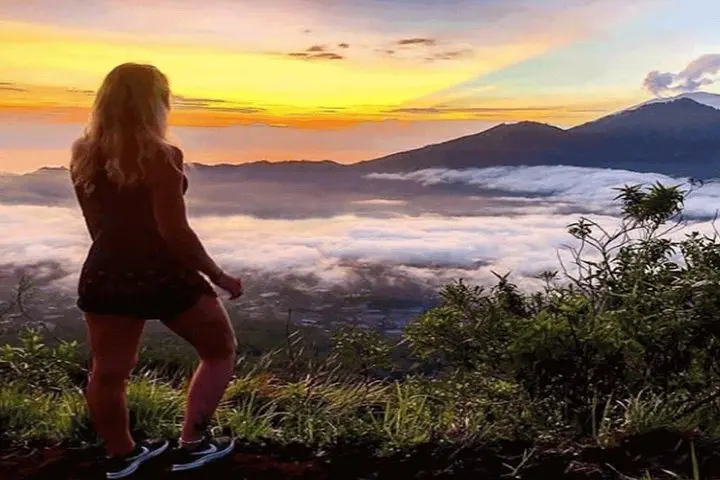
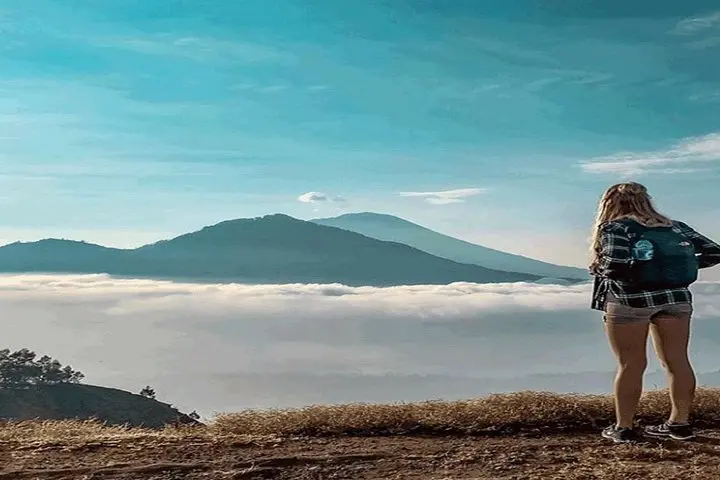
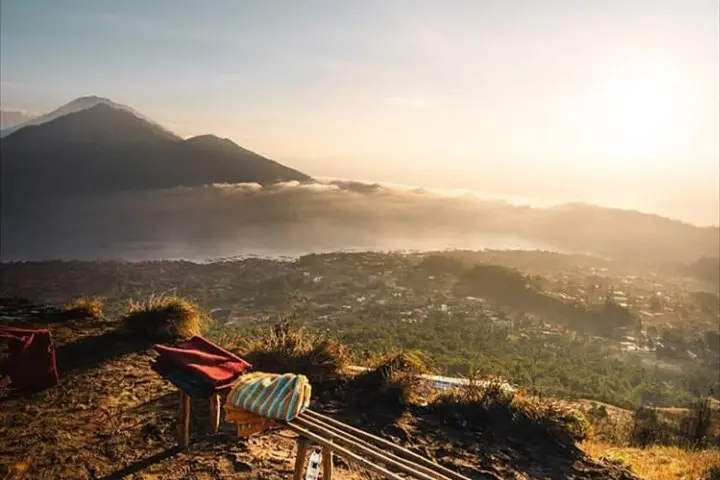
At 04:00 the track is a ribbon of soft headlamp beams winding through blackened lava and stunted acacia. Climbers pause on switchbacks, breath visible in the pre-dawn chill, waiting while steaming mugs of sweet Balinese coffee circulate and guide voices point out the outline of Agung across the dark. By the time the sun peels itself above the caldera rim, the crater and Lake Batur below flip from ink to gold.
Verified experiences and guided adventures in the surrounding area.
Operated by Krisna Bali Trekking Tour · Kintamani, Bali
At 04:00 the track is a ribbon of soft headlamp beams winding through blackened lava and stunted acacia. Climbers pause on switchbacks, breath visible in the pre-dawn chill, waiting while steaming mugs of sweet Balinese coffee circulate and guide voices point out the outline of Agung across the dark. By the time the sun peels itself above the caldera rim, the crater and Lake Batur below flip from ink to gold.
Geology here is blunt and recent: Mount Batur is a young caldera within Bali’s larger volcanic chain, a site of repeated eruptions that shaped the steep ash-and-lava slopes hikers climb today. The local culture ties closely to the mountain—Balinese Hindu temples and coffee plantations ring the lower flanks, and Kintamani’s communities have long welcomed mountain pilgrims and trekkers.
Expect 60–90 minutes of steady uphill on rocky, often loose scree with some steeper sections; the summit area is exposed and windy. Guides typically provide hot drinks and time to watch the sunrise; the descent is faster but demands attention on slick volcanic gravel. Morning can be cold; layers matter. Hydration and steady footwear will make the difference between a tiring scramble and a memorable dawn.
Practical notes: arrange hotel pickup early, confirm guide experience, and budget for entrance and parking fees. Aim for dry-season mornings for clearer views, and give yourself an extra day in Bali for weather backups.
The uphill section typically takes 60–90 minutes depending on fitness and pace; descent is usually quicker—plan 2–3 hours round-trip for the hike itself.
Guides are strongly recommended for safety, local knowledge, and routefinding—many operators include one and manage permits and pickup logistics.
Layered clothing that can be added or removed, grippy hiking shoes, and a windproof outer shell are advisable for unpredictable summit winds.
This trek is not recommended for pregnant travelers or people with serious back or heart conditions; check operator age restrictions for children.
Krisna Bali Trekking Tour operates guided outdoor trips and adventures with an emphasis on safety, stewardship, and memorable experiences.

At 04:00 the track is a ribbon of soft headlamp beams winding through blackened lava and stunted acacia. Climbers pause on switchbacks, breath visible in the pre-dawn chill, waiting while steaming mugs of sweet Balinese coffee circulate and guide voices point out the outline of Agung across the dark. By the time the sun peels itself above the caldera rim, the crater and Lake Batur below flip from ink to gold.
At 04:00 the track is a ribbon of soft headlamp beams winding through blackened lava and stunted acacia. Climbers pause on switchbacks, breath visible in the pre-dawn chill, waiting while steaming mugs of sweet Balinese coffee circulate and guide voices point out the outline of Agung across the dark. By the time the sun peels itself above the caldera rim, the crater and Lake Batur below flip from ink to gold.
Geology here is blunt and recent: Mount Batur is a young caldera within Bali’s larger volcanic chain, a site of repeated eruptions that shaped the steep ash-and-lava slopes hikers climb today. The local culture ties closely to the mountain—Balinese Hindu temples and coffee plantations ring the lower flanks, and Kintamani’s communities have long welcomed mountain pilgrims and trekkers.
Expect 60–90 minutes of steady uphill on rocky, often loose scree with some steeper sections; the summit area is exposed and windy. Guides typically provide hot drinks and time to watch the sunrise; the descent is faster but demands attention on slick volcanic gravel. Morning can be cold; layers matter. Hydration and steady footwear will make the difference between a tiring scramble and a memorable dawn.
Practical notes: arrange hotel pickup early, confirm guide experience, and budget for entrance and parking fees. Aim for dry-season mornings for clearer views, and give yourself an extra day in Bali for weather backups.