THE ADVENTURE COLLECTIVE® · Independent discovery and booking for outdoor travel

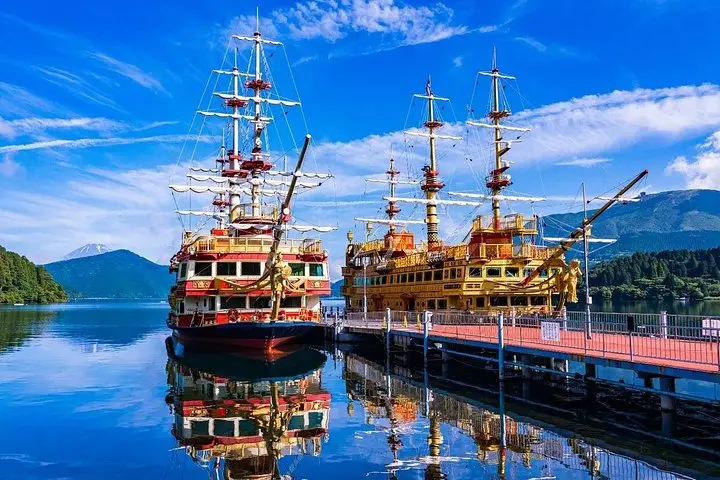
Spend a long day from Tokyo exploring Mt. Fuji’s Fifth Station, shopping at Gotemba Outlets, riding the Hakone Ropeway over steaming volcanic vents, and cruising Lake Ashi on a themed pirate ship. This itinerary blends geology, culture, and practical sightseeing across Hakone and the Fuji foothills.
Spend a long day from Tokyo exploring Mt. Fuji’s Fifth Station, shopping at Gotemba Outlets, riding the Hakone Ropeway over steaming volcanic vents, and cruising Lake Ashi on a themed pirate ship. This itinerary blends geology, culture, and practical sightseeing across Hakone and the Fuji foothills.
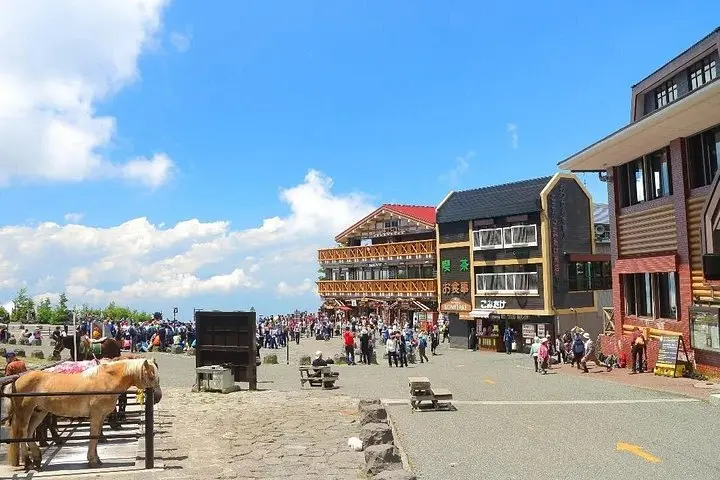
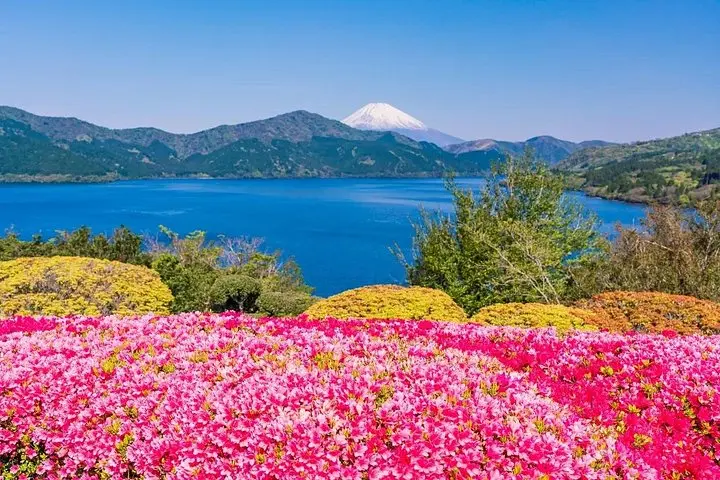
A cold wind cuts across the observation deck at Mt. Fuji’s Fifth Station and the peak looms like a patient giant above a sea of clouds. You breathe it in — thin, clear air that sharpens colors and pushes your thoughts toward the next stop: steaming vents, outlet bargains, and a slow cruise on Ashinoko.
Verified experiences and guided adventures in the surrounding area.
Operated by TrevoTour Travels · Hakone, Kanagawa Prefecture
A cold wind cuts across the observation deck at Mt. Fuji’s Fifth Station and the peak looms like a patient giant above a sea of clouds. You breathe it in — thin, clear air that sharpens colors and pushes your thoughts toward the next stop: steaming vents, outlet bargains, and a slow cruise on Ashinoko.
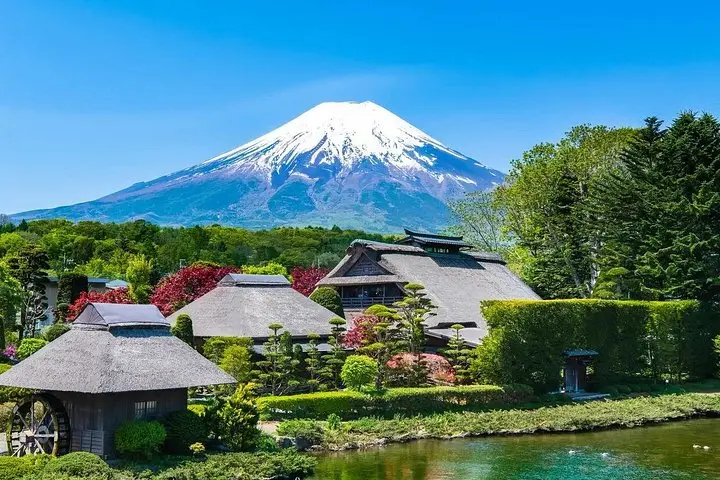
The route threads together distinct chapters of the region. Mt. Fuji’s Fifth Station sits on the Yoshida Trail and has long been a human gateway to Japan’s highest peak, a place of pilgrimage and mountain huts. Gotemba grew as a post-town and is now famous for its open-air outlets with line-of-sight views of Fuji on clear days. Hakone is a volcanic landscape carved by eruptions and hot springs; Owakudani’s sulfur vents are a geologic page-turner formed more than 3,000 years ago. Cultural touches — black eggs boiled in volcanic steam, ropeway cabins named for their views — anchor the itinerary in local tradition.
Practically, expect a full day (roughly 10–11 hours) of varied terrain: paved observation areas, short stair climbs, and flat boardwalks. Weather changes fast at elevation; clouds can hide Fuji within minutes. Photographers get striking wide-angle shots from the ropeway and pirate ship; shoppers find international brands at Gotemba, and families appreciate accessible paths and included lunch. Bring layers, carry water, and budget time — this is a tightly scheduled loop across mountain air, sulfur-scented valleys, and placid lake water that rewards both curiosity and preparation.
No — the tour visits the Fifth Station for views and light walking; summit attempts require a dedicated, overnight climbing plan during the official climbing season.
Operational stops like the ropeway and pirate ship generally run unless weather closes them; views of Mt. Fuji are not guaranteed and the Fifth Station visit may be substituted with other activities.
Lunch and admissions listed (Hakone Ropeway, Pirate Ship) are included; some shops and optional items at stops are extra and may require cash.
Yes — the tour notes wheelchair and stroller accessibility for primary areas, but some short steps and uneven surfaces may exist at scenic viewpoints.
TrevoTour Travels operates guided outdoor trips and adventures with an emphasis on safety, stewardship, and memorable experiences.
A cold wind cuts across the observation deck at Mt. Fuji’s Fifth Station and the peak looms like a patient giant above a sea of clouds. You breathe it in — thin, clear air that sharpens colors and pushes your thoughts toward the next stop: steaming vents, outlet bargains, and a slow cruise on Ashinoko.
A cold wind cuts across the observation deck at Mt. Fuji’s Fifth Station and the peak looms like a patient giant above a sea of clouds. You breathe it in — thin, clear air that sharpens colors and pushes your thoughts toward the next stop: steaming vents, outlet bargains, and a slow cruise on Ashinoko.
The route threads together distinct chapters of the region. Mt. Fuji’s Fifth Station sits on the Yoshida Trail and has long been a human gateway to Japan’s highest peak, a place of pilgrimage and mountain huts. Gotemba grew as a post-town and is now famous for its open-air outlets with line-of-sight views of Fuji on clear days. Hakone is a volcanic landscape carved by eruptions and hot springs; Owakudani’s sulfur vents are a geologic page-turner formed more than 3,000 years ago. Cultural touches — black eggs boiled in volcanic steam, ropeway cabins named for their views — anchor the itinerary in local tradition.
Practically, expect a full day (roughly 10–11 hours) of varied terrain: paved observation areas, short stair climbs, and flat boardwalks. Weather changes fast at elevation; clouds can hide Fuji within minutes. Photographers get striking wide-angle shots from the ropeway and pirate ship; shoppers find international brands at Gotemba, and families appreciate accessible paths and included lunch. Bring layers, carry water, and budget time — this is a tightly scheduled loop across mountain air, sulfur-scented valleys, and placid lake water that rewards both curiosity and preparation.