THE ADVENTURE COLLECTIVE® · Independent discovery and booking for outdoor travel

Spend a day from Tokyo exploring Mt. Fuji’s high-elevation viewpoint at the 5th Station and the clear springs of Oshino Hakkai. This guided, 10-hour tour combines panoramic ropeway views, seasonal gardens, and cultural highlights around Lake Kawaguchi.
Spend a day from Tokyo exploring Mt. Fuji’s high-elevation viewpoint at the 5th Station and the clear springs of Oshino Hakkai. This guided, 10-hour tour combines panoramic ropeway views, seasonal gardens, and cultural highlights around Lake Kawaguchi.
A low morning sun slices across the bowl of Lake Kawaguchi as the coach eases toward the ropeway. The air tightens, carrying the mineral hush that comes from centuries of volcanic runoff; Mt. Fuji rises beyond in a clean, snow-capped cone that seems to watch every turn of the road.
Verified experiences and guided adventures in the surrounding area.
Operated by LION TRAVEL TOUR · Fujikawaguchiko, Yamanashi Prefecture
A low morning sun slices across the bowl of Lake Kawaguchi as the coach eases toward the ropeway. The air tightens, carrying the mineral hush that comes from centuries of volcanic runoff; Mt. Fuji rises beyond in a clean, snow-capped cone that seems to watch every turn of the road.
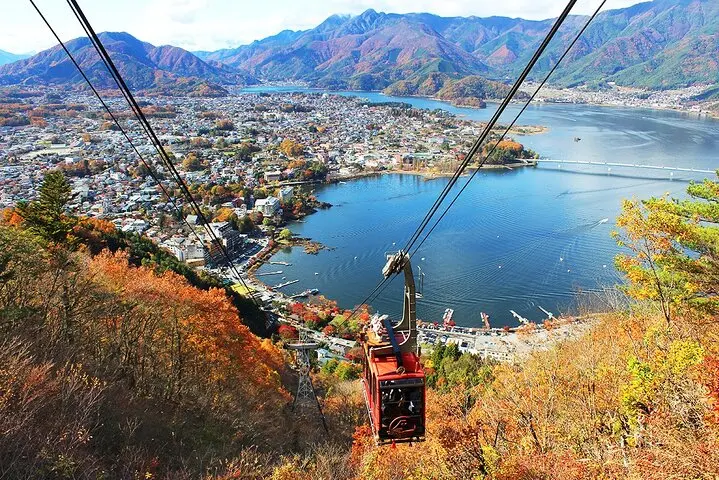
This full-day outing pairs two very different faces of Mt. Fuji country: the high, wind-buffed perspective from the 5th Station (roughly 2,300 m elevation at the Fuji Subaru Line 5th Station) and the gentle, filtered springs of Oshino Hakkai—eight ponds fed by snowmelt that has percolated through porous volcanic rock. The route crosses Lake Kawaguchi’s shoreline, where Oishi Park’s seasonal flower displays and the Kawaguchiko Panoramic Ropeway frame the mountain for postcard-ready views. The region is steeped in cultural reverence: Fuji has been a pilgrimage destination for centuries and is a World Heritage cultural landscape; nearby shrines and local crafts reinforce that connection.
Expect a mix of easy walks, short viewpoints, and a moderate amount of standing at higher altitude. Guides provide local context—geology, seasonal blooms, and the importance of Fuji’s water table that feeds Oshino Hakkai. Practicalities matter: dress in layers, watch for wind and sudden cloud, and plan photo stops early in the day for clearer views. Lunch typically features regional fare near the lakeshore.
The trip is family-friendly but not a climb; it’s best approached as an accessible immersion into volcanic landscapes, water-fed springs, and lakeside panoramas—an efficient way to sample the mountain’s moods in a single, carefully paced day.
No; the tour visits the 5th Station for viewpoints and short walks only—ascending to the summit requires a separate, multi-stage climb and seasonally limited access.
Lunch is included; notify the operator of dietary restrictions at booking so they can arrange suitable options where possible.
Stops vary but the itinerary typically allows 40–70 minutes at major sites—ropeway, Oishi Park, lunch, 5th Station, and Oshino Hakkai—within the 10-hour tour.
Weather can block views; operators may alter the route to include the Fujisan World Heritage Center or local shrines if the 5th Station is inaccessible or visibility is poor.
LION TRAVEL TOUR operates guided outdoor trips and adventures with an emphasis on safety, stewardship, and memorable experiences.
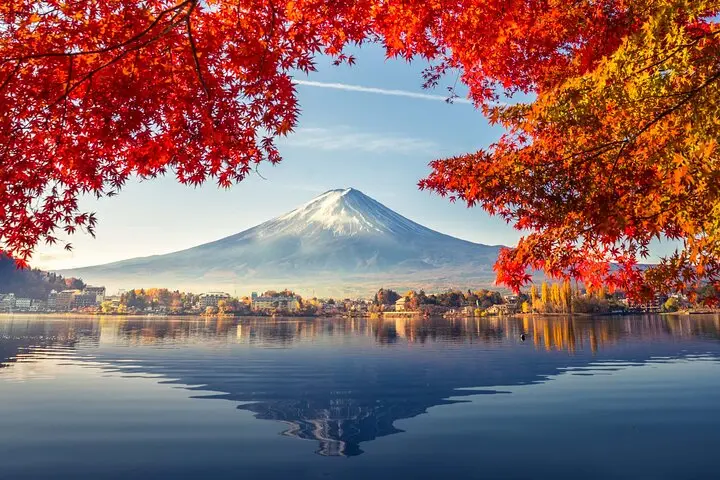
A low morning sun slices across the bowl of Lake Kawaguchi as the coach eases toward the ropeway. The air tightens, carrying the mineral hush that comes from centuries of volcanic runoff; Mt. Fuji rises beyond in a clean, snow-capped cone that seems to watch every turn of the road.
A low morning sun slices across the bowl of Lake Kawaguchi as the coach eases toward the ropeway. The air tightens, carrying the mineral hush that comes from centuries of volcanic runoff; Mt. Fuji rises beyond in a clean, snow-capped cone that seems to watch every turn of the road.
This full-day outing pairs two very different faces of Mt. Fuji country: the high, wind-buffed perspective from the 5th Station (roughly 2,300 m elevation at the Fuji Subaru Line 5th Station) and the gentle, filtered springs of Oshino Hakkai—eight ponds fed by snowmelt that has percolated through porous volcanic rock. The route crosses Lake Kawaguchi’s shoreline, where Oishi Park’s seasonal flower displays and the Kawaguchiko Panoramic Ropeway frame the mountain for postcard-ready views. The region is steeped in cultural reverence: Fuji has been a pilgrimage destination for centuries and is a World Heritage cultural landscape; nearby shrines and local crafts reinforce that connection.
Expect a mix of easy walks, short viewpoints, and a moderate amount of standing at higher altitude. Guides provide local context—geology, seasonal blooms, and the importance of Fuji’s water table that feeds Oshino Hakkai. Practicalities matter: dress in layers, watch for wind and sudden cloud, and plan photo stops early in the day for clearer views. Lunch typically features regional fare near the lakeshore.
The trip is family-friendly but not a climb; it’s best approached as an accessible immersion into volcanic landscapes, water-fed springs, and lakeside panoramas—an efficient way to sample the mountain’s moods in a single, carefully paced day.