THE ADVENTURE COLLECTIVE® · Independent discovery and booking for outdoor travel

A one-day sweep from Tokyo to Mt. Fuji’s 5th Station, across Lake Kawaguchi, into the sulfur-scented valleys of Owakudani and finishing with a scenic cruise on Lake Ashi. This guided tour packs geology, culture and practical comforts into a clear, do-able day trip.
A one-day sweep from Tokyo to Mt. Fuji’s 5th Station, across Lake Kawaguchi, into the sulfur-scented valleys of Owakudani and finishing with a scenic cruise on Lake Ashi. This guided tour packs geology, culture and practical comforts into a clear, do-able day trip.
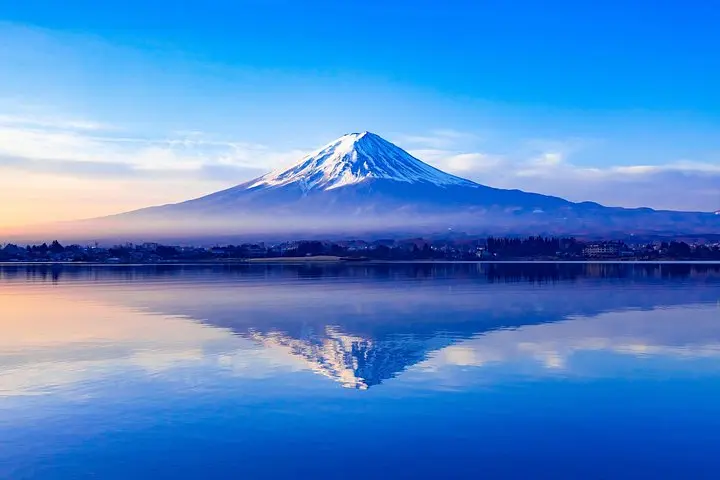
The coach pulls out of Tokyo before dawn and the city’s neon loosens its grip. Asphalt gives way to cedar-dark valleys and, if the day is honest, a cone of snow-capped rock rises through a strip of cloud like a giant quietly reclaiming the horizon. On this full-day circuit — Mount Fuji’s 5th Station, Lake Kawaguchi’s mirrored shore, Owakudani’s fumes, Hakone Shrine and a pirate-ship cruise on Lake Ashi — the landscape does the work of telling the story: volcanic force, pilgrimage, and a culture that knows how to slow down.
Verified experiences and guided adventures in the surrounding area.
Operated by アウテック · Hakone, Kanagawa Prefecture
The coach pulls out of Tokyo before dawn and the city’s neon loosens its grip. Asphalt gives way to cedar-dark valleys and, if the day is honest, a cone of snow-capped rock rises through a strip of cloud like a giant quietly reclaiming the horizon. On this full-day circuit — Mount Fuji’s 5th Station, Lake Kawaguchi’s mirrored shore, Owakudani’s fumes, Hakone Shrine and a pirate-ship cruise on Lake Ashi — the landscape does the work of telling the story: volcanic force, pilgrimage, and a culture that knows how to slow down.
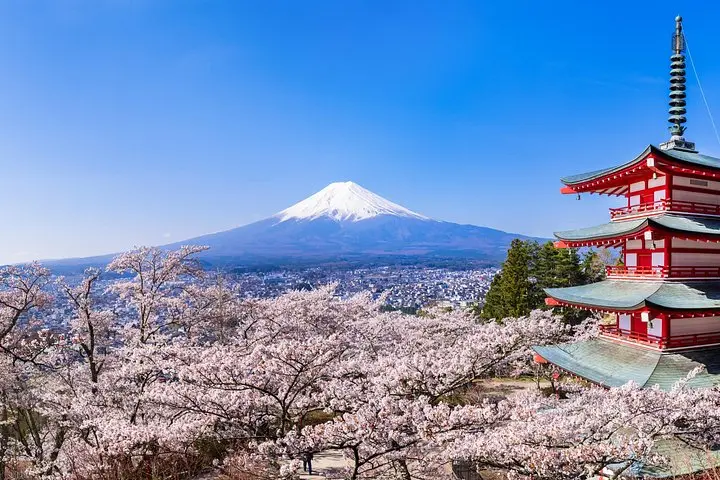
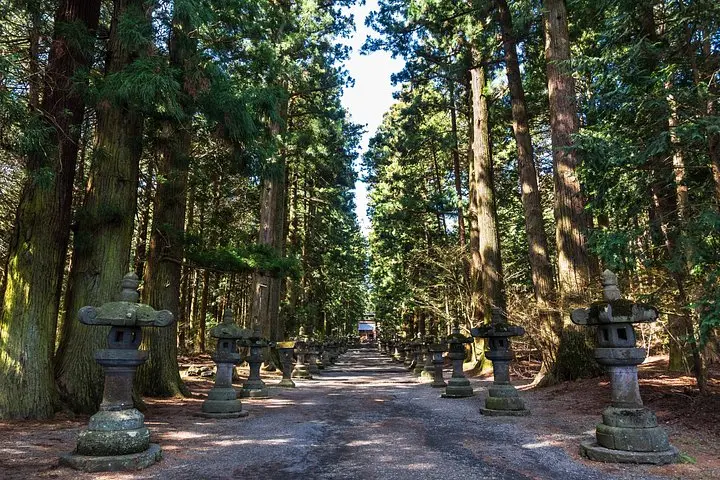
Mt. Fuji commands the route both visually and historically. The Subaru Line 5th Station sits around 2,305 m elevation and serves as the traditional entry point for climbers and for travelers who prefer a high viewpoint without the ascent. Geologically, Fuji is a stratovolcano shaped by repeated eruptions; Hakone, by contrast, is a caldera formed in violent collapse about 3,000 years ago. Owakudani — the “Great Boiling Valley” — still exhales sulfur and bubbles where lava and groundwater argue their ages. Shrines and torii on Lake Ashi’s edge carry a quieter human history: Hakone Shrine was founded in 757 and became a waypoint on Edo-era pilgrimage routes.
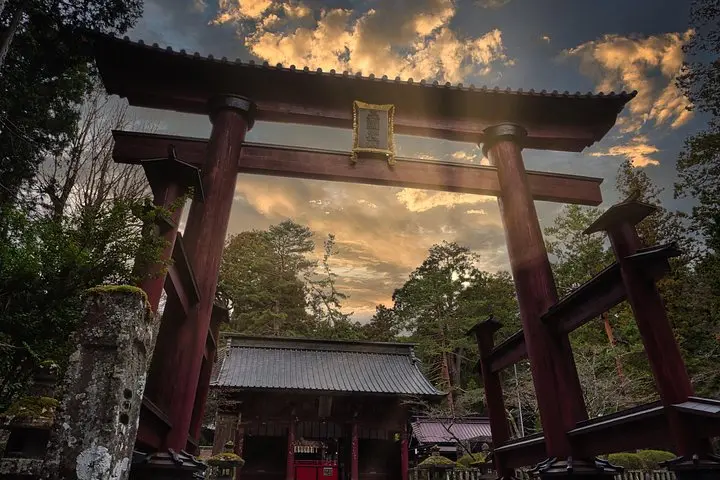
Culture lives in small details: vendors selling kuro-tamago (blackened eggs) at Owakudani, the hush at a torii framed against the lake, the polite efficiency of an onsen bath. The tour’s rhythm is brisk but considered: roughly 2–2.5 hours from Tokyo to Fuji 5th Station (30 minutes stop), then to Lake Kawaguchi (30–60 minutes), onward to Hakone and Owakudani (40–60 minutes there), a cable car segment and a 40-minute sightseeing ship on Lake Ashi before returning to Tokyo.
Practical guidance: visibility is the variable — Fuji can hide behind haze or cloud, especially in summer afternoons. Mornings in winter are the clearest. Expect quick temperature swings: the 5th Station will be markedly colder than Kawaguchiko or Hakone. Pack layers, a waterproof shell, sturdy shoes for uneven paths, and some cash for small vendors at viewpoints. If you plan to use an onsen afterward, bring swimwear only if the facility permits mixed or private baths; otherwise follow local onsen etiquette (wash before entering, no towels in the water).
Logistics and comfort tips: the tour runs 8–10 hours with pickups across Tokyo. Wheelchair-accessible options and onboard amenities like Wi‑Fi and bottled water are typically provided. To get the most from the day, choose a clear morning departure, charge camera batteries, and leave extra time in your schedule — civilization is never far, but the mountain insists you look up.
No — visibility depends on weather. Clear mornings, especially in winter, give the best chance; summer afternoons are often hazy. Guides will adjust stops to maximize viewing opportunities.
The tour runs about 8–10 hours. Bottled water and snacks are commonly included; full meals are not typically provided unless specified.
The 5th Station is reachable by vehicle but facilities have uneven surfaces and steps; check with the operator about specific accessibility needs.
Some itineraries include time in Hakone where you can access hot springs. Onsen rules vary — many require full nudity in single-sex baths and prohibit towels in the water.
Yes — restrooms are available at major stops like the 5th Station, Lake Kawaguchi, Owakudani and Hakone visitor centers, but carry tissues and hand sanitizer just in case.
No permits are required for the stops on this tour. Travel insurance is recommended for cancellations or medical needs, especially in winter when roads can be affected by snow.
アウテック operates guided outdoor trips and adventures with an emphasis on safety, stewardship, and memorable experiences.
The coach pulls out of Tokyo before dawn and the city’s neon loosens its grip. Asphalt gives way to cedar-dark valleys and, if the day is honest, a cone of snow-capped rock rises through a strip of cloud like a giant quietly reclaiming the horizon. On this full-day circuit — Mount Fuji’s 5th Station, Lake Kawaguchi’s mirrored shore, Owakudani’s fumes, Hakone Shrine and a pirate-ship cruise on Lake Ashi — the landscape does the work of telling the story: volcanic force, pilgrimage, and a culture that knows how to slow down.
The coach pulls out of Tokyo before dawn and the city’s neon loosens its grip. Asphalt gives way to cedar-dark valleys and, if the day is honest, a cone of snow-capped rock rises through a strip of cloud like a giant quietly reclaiming the horizon. On this full-day circuit — Mount Fuji’s 5th Station, Lake Kawaguchi’s mirrored shore, Owakudani’s fumes, Hakone Shrine and a pirate-ship cruise on Lake Ashi — the landscape does the work of telling the story: volcanic force, pilgrimage, and a culture that knows how to slow down.
Mt. Fuji commands the route both visually and historically. The Subaru Line 5th Station sits around 2,305 m elevation and serves as the traditional entry point for climbers and for travelers who prefer a high viewpoint without the ascent. Geologically, Fuji is a stratovolcano shaped by repeated eruptions; Hakone, by contrast, is a caldera formed in violent collapse about 3,000 years ago. Owakudani — the “Great Boiling Valley” — still exhales sulfur and bubbles where lava and groundwater argue their ages. Shrines and torii on Lake Ashi’s edge carry a quieter human history: Hakone Shrine was founded in 757 and became a waypoint on Edo-era pilgrimage routes.
Culture lives in small details: vendors selling kuro-tamago (blackened eggs) at Owakudani, the hush at a torii framed against the lake, the polite efficiency of an onsen bath. The tour’s rhythm is brisk but considered: roughly 2–2.5 hours from Tokyo to Fuji 5th Station (30 minutes stop), then to Lake Kawaguchi (30–60 minutes), onward to Hakone and Owakudani (40–60 minutes there), a cable car segment and a 40-minute sightseeing ship on Lake Ashi before returning to Tokyo.
Practical guidance: visibility is the variable — Fuji can hide behind haze or cloud, especially in summer afternoons. Mornings in winter are the clearest. Expect quick temperature swings: the 5th Station will be markedly colder than Kawaguchiko or Hakone. Pack layers, a waterproof shell, sturdy shoes for uneven paths, and some cash for small vendors at viewpoints. If you plan to use an onsen afterward, bring swimwear only if the facility permits mixed or private baths; otherwise follow local onsen etiquette (wash before entering, no towels in the water).
Logistics and comfort tips: the tour runs 8–10 hours with pickups across Tokyo. Wheelchair-accessible options and onboard amenities like Wi‑Fi and bottled water are typically provided. To get the most from the day, choose a clear morning departure, charge camera batteries, and leave extra time in your schedule — civilization is never far, but the mountain insists you look up.