THE ADVENTURE COLLECTIVE® · Independent discovery and booking for outdoor travel

Skip the logistics and spend a day trading Tokyo’s towers for volcanic air. This private guided tour pairs a vehicle and local English-speaking guide to sample Mount Fuji viewpoints, Hakone’s steaming Owakudani valley, lakeside shrines and world-class museums—customizable to your pace and priorities.
Skip the logistics and spend a day trading Tokyo’s towers for volcanic air. This private guided tour pairs a vehicle and local English-speaking guide to sample Mount Fuji viewpoints, Hakone’s steaming Owakudani valley, lakeside shrines and world-class museums—customizable to your pace and priorities.
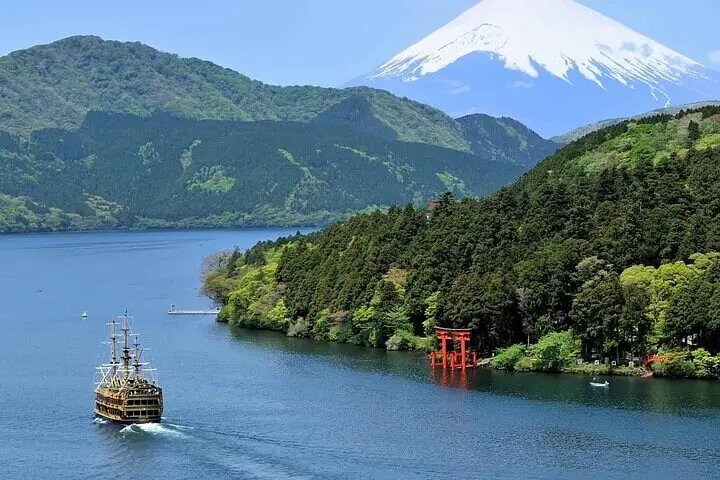
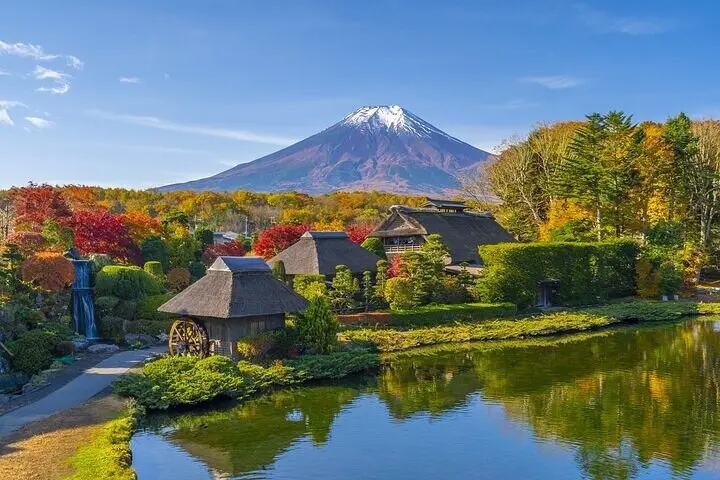
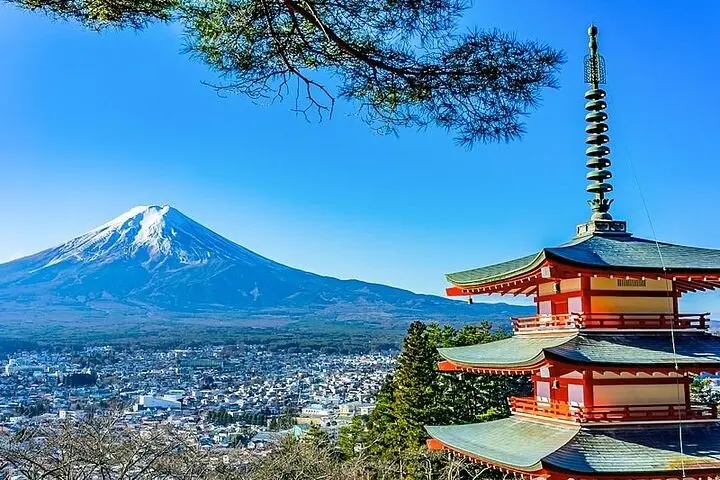
The van eases out of Tokyo’s grid and the skyline loosens its grip; within an hour the city’s hum becomes a distant thread. By midmorning you’re rolling into the highland air of Hakone, where beech and cedar forests open to reveal Lake Ashinoko and, on a clear day, the precise cone of Mount Fuji standing at 3,776 meters like a deliberate punctuation on the horizon.
Verified experiences and guided adventures in the surrounding area.
Operated by Japan Guide Agency · Hakone, Kanagawa
The van eases out of Tokyo’s grid and the skyline loosens its grip; within an hour the city’s hum becomes a distant thread. By midmorning you’re rolling into the highland air of Hakone, where beech and cedar forests open to reveal Lake Ashinoko and, on a clear day, the precise cone of Mount Fuji standing at 3,776 meters like a deliberate punctuation on the horizon.
This private, full-day tour pairs transport and a licensed English-speaking guide so independent travelers can choose three to four highlights—Lake Ashi’s mirror surface and the red torii of Hakone Shrine, the sulphur-scented steam of Owakudani, the art-filled POLA or Okada museums, or the Fuji Subaru Line 5th Station for mountain-level views. Geology and culture overlap here: Hakone sits in a caldera formed by a massive volcanic event millennia ago, its hot springs and steaming vents evidence of an active system that still shapes local life. Mount Fuji is a younger stratovolcano, its symmetrical profile the product of repeated eruptions and lava flows.
History threads through the itinerary. Hakone has long been a waypoint on the old Tokaido route between Edo (Tokyo) and Kyoto; its shrines and teahouses once serviced daimyo processions and pilgrims. Around the lakes and museum gardens, contemporary Japan meets centuries-old craft—Nihonga painting, lacquerware, and glasswork—so a museum stop feels relevant to the place as much as restorative.
Practically, plan for variable weather and visibility. Travel time from central Tokyo runs about 1.5–2.5 hours depending on whether you’re headed to Hakone or the Fuji Five Lakes; traffic can double that in peak periods. Expect a mix of paved driving, short boardwalks in wetlands, and steep staircases at shrines and viewing platforms. The highest stop, Fuji Subaru Line 5th Station, sits around 2,300 meters—noticeably cooler and windier than Tokyo.
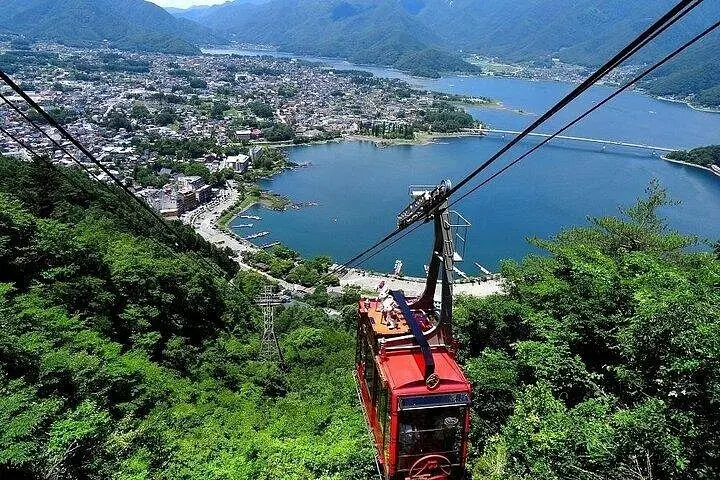
Bring layers, a reliable pair of walking shoes, and a camera battery charged for panoramic vistas. If Mount Fuji is your raison d’être, schedule the clearest window of the day early—mountain visibility is a fickle thing, often hiding behind mid-afternoon haze or cloud. Use your guide: the tour is customizable, and they’ll time visits with local knowledge of crowds, ropeway schedules, and the best photo light.
Accessibility is a selling point—transport is wheelchair accessible and the tour is rated easy for fitness—yet some sites (Owakudani boardwalks, shrine steps) require sure footing. The tour runs about 12 hours round-trip, includes a private vehicle and guide, and gives travelers the freedom to trade the hassle of transit for a curated, flexible day at two of Japan’s most iconic landscapes.
The tour is approximately 12 hours (720 minutes) with pickup in Tokyo; the guide will confirm a specific pickup time and location within the Tokyo city area.
Yes—after booking you can customize your itinerary by selecting 3–4 spots from the provided list; guides will help optimize your route by traffic and visibility.
No—Fuji visibility depends on weather; mornings are usually clearest but the guide will adjust the schedule to maximize chances when possible.
Transportation is wheelchair accessible and many sites have accessible routes, but some attractions have stairs or uneven paths—notify the operator at booking for accommodations.
The tour includes a private vehicle and guide; most admissions and meals are not included, though some stops covered by Hakone Free Pass may offer discounts.
The operator monitors local safety advisories and will modify the itinerary—alternate sites or longer stays at lakeside viewpoints and museums are common substitutes.
Japan Guide Agency operates guided outdoor trips and adventures with an emphasis on safety, stewardship, and memorable experiences.
The van eases out of Tokyo’s grid and the skyline loosens its grip; within an hour the city’s hum becomes a distant thread. By midmorning you’re rolling into the highland air of Hakone, where beech and cedar forests open to reveal Lake Ashinoko and, on a clear day, the precise cone of Mount Fuji standing at 3,776 meters like a deliberate punctuation on the horizon.
The van eases out of Tokyo’s grid and the skyline loosens its grip; within an hour the city’s hum becomes a distant thread. By midmorning you’re rolling into the highland air of Hakone, where beech and cedar forests open to reveal Lake Ashinoko and, on a clear day, the precise cone of Mount Fuji standing at 3,776 meters like a deliberate punctuation on the horizon.
This private, full-day tour pairs transport and a licensed English-speaking guide so independent travelers can choose three to four highlights—Lake Ashi’s mirror surface and the red torii of Hakone Shrine, the sulphur-scented steam of Owakudani, the art-filled POLA or Okada museums, or the Fuji Subaru Line 5th Station for mountain-level views. Geology and culture overlap here: Hakone sits in a caldera formed by a massive volcanic event millennia ago, its hot springs and steaming vents evidence of an active system that still shapes local life. Mount Fuji is a younger stratovolcano, its symmetrical profile the product of repeated eruptions and lava flows.
History threads through the itinerary. Hakone has long been a waypoint on the old Tokaido route between Edo (Tokyo) and Kyoto; its shrines and teahouses once serviced daimyo processions and pilgrims. Around the lakes and museum gardens, contemporary Japan meets centuries-old craft—Nihonga painting, lacquerware, and glasswork—so a museum stop feels relevant to the place as much as restorative.
Practically, plan for variable weather and visibility. Travel time from central Tokyo runs about 1.5–2.5 hours depending on whether you’re headed to Hakone or the Fuji Five Lakes; traffic can double that in peak periods. Expect a mix of paved driving, short boardwalks in wetlands, and steep staircases at shrines and viewing platforms. The highest stop, Fuji Subaru Line 5th Station, sits around 2,300 meters—noticeably cooler and windier than Tokyo.
Bring layers, a reliable pair of walking shoes, and a camera battery charged for panoramic vistas. If Mount Fuji is your raison d’être, schedule the clearest window of the day early—mountain visibility is a fickle thing, often hiding behind mid-afternoon haze or cloud. Use your guide: the tour is customizable, and they’ll time visits with local knowledge of crowds, ropeway schedules, and the best photo light.
Accessibility is a selling point—transport is wheelchair accessible and the tour is rated easy for fitness—yet some sites (Owakudani boardwalks, shrine steps) require sure footing. The tour runs about 12 hours round-trip, includes a private vehicle and guide, and gives travelers the freedom to trade the hassle of transit for a curated, flexible day at two of Japan’s most iconic landscapes.