THE ADVENTURE COLLECTIVE® · Independent discovery and booking for outdoor travel

Beat the crowds and tailor a day to your pace on this private car tour from Tokyo. Visit Mt. Fuji viewpoints, Lake Kawaguchiko and Hakone’s steaming vents with an English-speaking driver-guide who handles logistics and local insight.
Beat the crowds and tailor a day to your pace on this private car tour from Tokyo. Visit Mt. Fuji viewpoints, Lake Kawaguchiko and Hakone’s steaming vents with an English-speaking driver-guide who handles logistics and local insight.
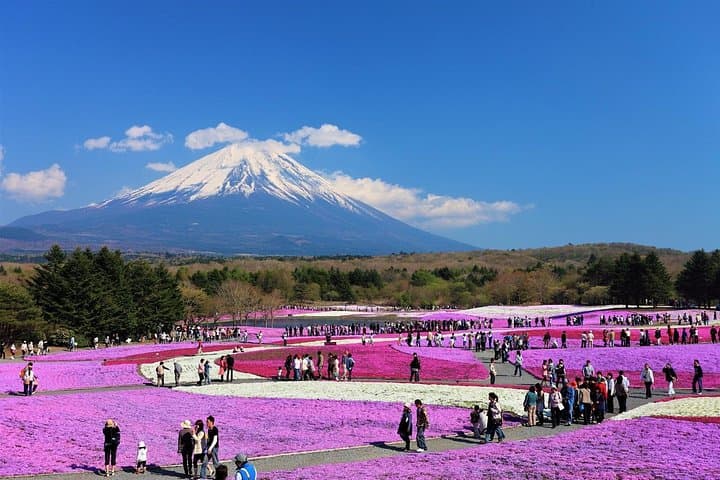
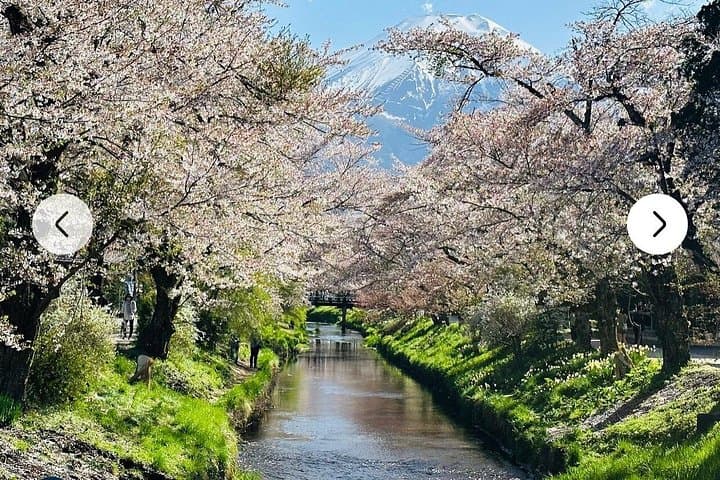
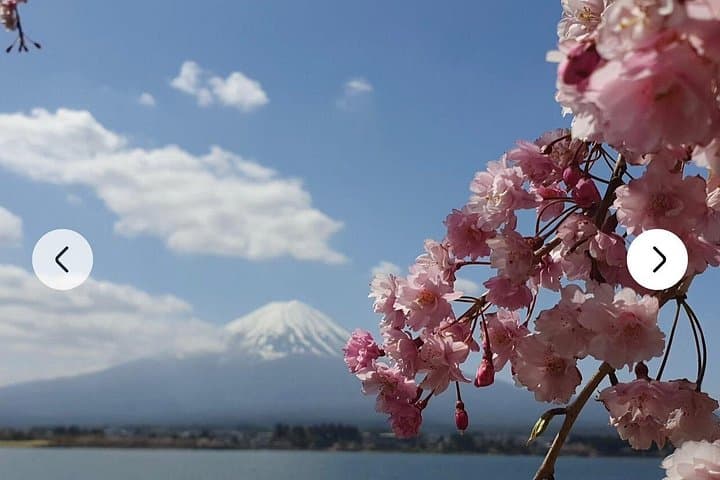
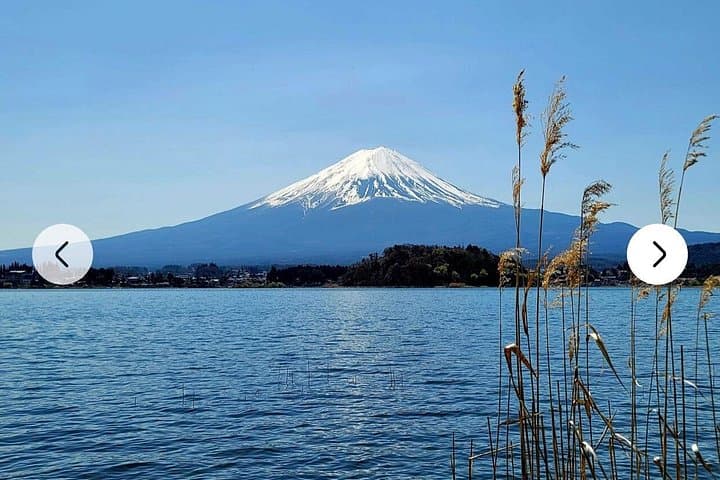
A low-slung private van pulls away from a Tokyo hotel before dawn, headlights carving a path through the pre-city haze. As pavement gives way to rural sprawl the silhouette of Mount Fuji rises like a polite challenge—bare, snow-bright, and indifferent to schedules. The driver-guide points out the best windows to watch for the first clear glimpses; the mountain, as if testing patience, shifts its own light and cloud like a theater curtain.
Verified experiences and guided adventures in the surrounding area.
Operated by NIHON HORIZON TOUR · Fujikawaguchiko, Yamanashi Prefecture
A low-slung private van pulls away from a Tokyo hotel before dawn, headlights carving a path through the pre-city haze. As pavement gives way to rural sprawl the silhouette of Mount Fuji rises like a polite challenge—bare, snow-bright, and indifferent to schedules. The driver-guide points out the best windows to watch for the first clear glimpses; the mountain, as if testing patience, shifts its own light and cloud like a theater curtain.
This full-day private tour threads together two of the region's most durable attractions: the volcanic geometry and cultural rites around Mount Fuji, and the steaming, lake-dotted landscapes of Hakone. Geologically, Mount Fuji is young — a stratovolcano with its last major eruption in the early 18th century — and the volcanic underpinnings explain Hakone's sulfurous vents at Owakudani and the mineral-clear ponds of Oshino Hakkai where mountain melt filters through porous lava for decades.
Culturally, the route is paved with centuries of reverence: Sengen shrines that once regulated pilgrimages, the Chureito Pagoda that frames Fuji in a classic postcard, and the lakeside torii of Hakone-jinja that has watched samurai and modern tourists alike. The tour gives context — the driver-guide can linger at a shrine, explain the UNESCO listing of Fuji, or point to the black eggs of Owakudani and the folk belief that one extends your life by seven years.
Practical details matter. The tour is fully customizable: choose a Mt. Fuji–focused route (Kawaguchiko, Oshino Hakkai, Arakurayama/Chureito Pagoda, Mt. Fuji 5th Station) or a Hakone loop (Owakudani, Lake Ashi, Hakone Shrine). Expect a long day — roughly 10 hours door-to-door from Tokyo — and significant driving (about 2–2.5 hours each way depending on traffic). If you want to visit Mt. Fuji 5th Station during hiking season (July–September), plan for the entrance fee (about ¥2,500 per person) and a shuttle bus up the mountain.
Weather determines the itinerary. Fuji can be obscured by clouds even when lowlands are clear; early starts improve your odds and avoid rush-hour. Bring layers—temperatures climb and fall with elevation—good walking shoes, and rain protection. The private guide handles logistics: pickup and drop-off inside Tokyo, highway tolls, and suggested swaps for the day. For photographers, aim for early morning or late afternoon light on the lakes; for culture, pause at a Sengen shrine and let the steam from Owakudani narrate the volcanic story.
This is a road‑smart way to see one of Japan’s elemental landscapes: flexible, efficient, and guided by someone who knows when the mountain will, finally, show its face.
Yes — pickup and drop-off inside Tokyo are included; if your hotel isn’t listed, provide the address in booking notes and the supplier will confirm.
No — summit climbs require overnight planning and fall within the July–September hiking season; this day tour can take you to the 5th Station or short walks only.
During hiking season a shuttle and entrance fee apply (approximately ¥2,500 per person); outside season vehicle access can vary—confirm with your guide.
The supplier lists wheelchair-accessible options, but access to some spots (steps to pagodas, uneven village lanes) may be limited—notify them at booking.
Views are weather-dependent; the driver-guide will suggest alternative nearby viewpoints (lakes, shrines, Hakone spots) if the summit is obscured.
Travel insurance is recommended for activities and transport; tipping is not customary in Japan but small gestures of appreciation for exceptional service are accepted.
NIHON HORIZON TOUR operates guided outdoor trips and adventures with an emphasis on safety, stewardship, and memorable experiences.
A low-slung private van pulls away from a Tokyo hotel before dawn, headlights carving a path through the pre-city haze. As pavement gives way to rural sprawl the silhouette of Mount Fuji rises like a polite challenge—bare, snow-bright, and indifferent to schedules. The driver-guide points out the best windows to watch for the first clear glimpses; the mountain, as if testing patience, shifts its own light and cloud like a theater curtain.
A low-slung private van pulls away from a Tokyo hotel before dawn, headlights carving a path through the pre-city haze. As pavement gives way to rural sprawl the silhouette of Mount Fuji rises like a polite challenge—bare, snow-bright, and indifferent to schedules. The driver-guide points out the best windows to watch for the first clear glimpses; the mountain, as if testing patience, shifts its own light and cloud like a theater curtain.
This full-day private tour threads together two of the region's most durable attractions: the volcanic geometry and cultural rites around Mount Fuji, and the steaming, lake-dotted landscapes of Hakone. Geologically, Mount Fuji is young — a stratovolcano with its last major eruption in the early 18th century — and the volcanic underpinnings explain Hakone's sulfurous vents at Owakudani and the mineral-clear ponds of Oshino Hakkai where mountain melt filters through porous lava for decades.
Culturally, the route is paved with centuries of reverence: Sengen shrines that once regulated pilgrimages, the Chureito Pagoda that frames Fuji in a classic postcard, and the lakeside torii of Hakone-jinja that has watched samurai and modern tourists alike. The tour gives context — the driver-guide can linger at a shrine, explain the UNESCO listing of Fuji, or point to the black eggs of Owakudani and the folk belief that one extends your life by seven years.
Practical details matter. The tour is fully customizable: choose a Mt. Fuji–focused route (Kawaguchiko, Oshino Hakkai, Arakurayama/Chureito Pagoda, Mt. Fuji 5th Station) or a Hakone loop (Owakudani, Lake Ashi, Hakone Shrine). Expect a long day — roughly 10 hours door-to-door from Tokyo — and significant driving (about 2–2.5 hours each way depending on traffic). If you want to visit Mt. Fuji 5th Station during hiking season (July–September), plan for the entrance fee (about ¥2,500 per person) and a shuttle bus up the mountain.
Weather determines the itinerary. Fuji can be obscured by clouds even when lowlands are clear; early starts improve your odds and avoid rush-hour. Bring layers—temperatures climb and fall with elevation—good walking shoes, and rain protection. The private guide handles logistics: pickup and drop-off inside Tokyo, highway tolls, and suggested swaps for the day. For photographers, aim for early morning or late afternoon light on the lakes; for culture, pause at a Sengen shrine and let the steam from Owakudani narrate the volcanic story.
This is a road‑smart way to see one of Japan’s elemental landscapes: flexible, efficient, and guided by someone who knows when the mountain will, finally, show its face.