THE ADVENTURE COLLECTIVE® · Independent discovery and booking for outdoor travel

See Mt. Fuji from the Fuji Subaru Line 5th Station, frame the peak behind Chureito Pagoda, and stroll Oshino Hakkai’s clear spring ponds on a single, well-paced day trip. Early starts, layers, and timing for light make this classic route rewarding for photographers and casual adventurers alike.
See Mt. Fuji from the Fuji Subaru Line 5th Station, frame the peak behind Chureito Pagoda, and stroll Oshino Hakkai’s clear spring ponds on a single, well-paced day trip. Early starts, layers, and timing for light make this classic route rewarding for photographers and casual adventurers alike.
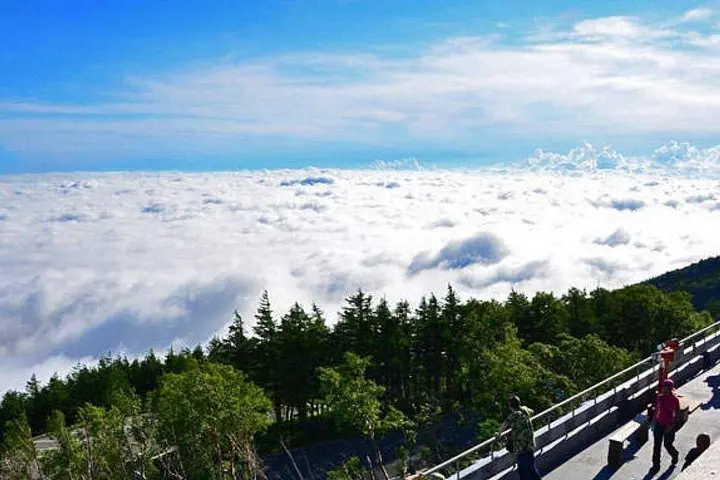
You arrive at a roadside pullout and the air sharpens — Fuji’s cone rises above the clouds like a living map, white cap catching the sun. The tour moves deliberately: a drive up the Fuji Subaru Line to the 5th Station, a stroll along Lake Kawaguchiko’s shore, a climb to the Chureito Pagoda overlook, and a gentle wander through Oshino Hakkai’s spring ponds.
Verified experiences and guided adventures in the surrounding area.
Operated by TREVOPEDIA · Fujikawaguchiko, Yamanashi Prefecture
You arrive at a roadside pullout and the air sharpens — Fuji’s cone rises above the clouds like a living map, white cap catching the sun. The tour moves deliberately: a drive up the Fuji Subaru Line to the 5th Station, a stroll along Lake Kawaguchiko’s shore, a climb to the Chureito Pagoda overlook, and a gentle wander through Oshino Hakkai’s spring ponds.
Geology and history are in plain view. Mt. Fuji is a stratovolcano shaped by cycles of eruption and erosion; its lava and ash layers created the slopes you’re circling. The Chureito Pagoda was built as a peace memorial in 1963 on Arakura hill; its composition of red wood and stone frames the mountain with human scale. Oshino Hakkai’s springs are fed by snowmelt filtered through Mt. Fuji’s volcanic basalt — that filtration keeps the ponds startlingly clear.
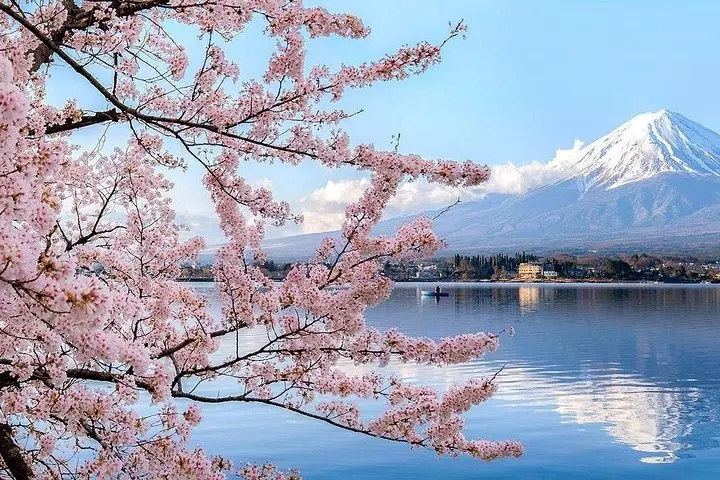
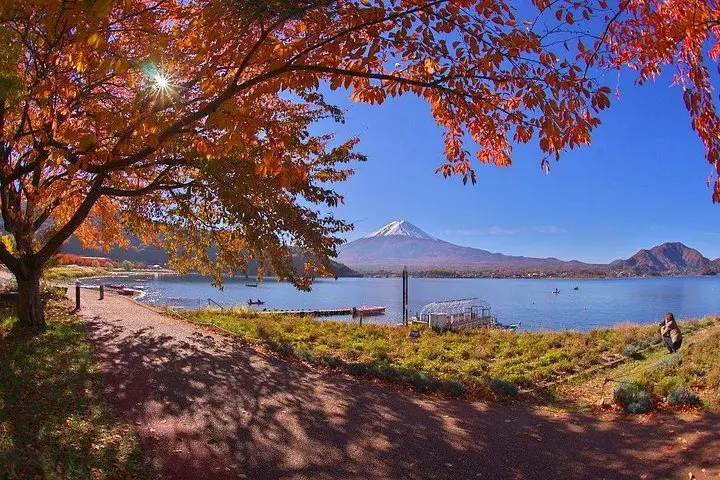
Culturally, this circuit combines Shinto shrines, local craft stalls, and seasonal spectacles: cherry blossoms in spring, verdant greens in summer, fiery maples in autumn, and a crystalline winter skyline.
Practical guidance: arrive early for the best light at Chureito and Kawaguchiko, and expect crowds mid-morning. The 5th Station sits around 2,300 m — air is thinner and temperatures drop, so pack windproof layers. Paths at Oishi Park and Oshino Hakkai are mostly flat but include steps; comfortable shoes and a reusable water bottle make the day smoother. Carry some cash for village vendors and be mindful of changing weather — Fuji can hide behind clouds in minutes. This loop is accessible and photographic, a compact day of high-altitude panoramas and quiet cultural moments.
The 5th Station is about 2,300 m above sea level; some people notice mild shortness of breath or fatigue — take it easy, hydrate, and avoid sudden exertion.
The tour notes indicate stroller and wheelchair accessibility for transport and some surfaces, but Chureito Pagoda requires steps; check with the operator about mobility needs in advance.
Admission is generally included or not required for the main viewpoints; specific museum or paid attractions would be noted in the itinerary if applicable.
Spring (cherry blossom) and autumn (foliage) offer the most iconic framed shots, but clear winter days can produce the most dramatic, snow-capped silhouettes.
TREVOPEDIA operates guided outdoor trips and adventures with an emphasis on safety, stewardship, and memorable experiences.
You arrive at a roadside pullout and the air sharpens — Fuji’s cone rises above the clouds like a living map, white cap catching the sun. The tour moves deliberately: a drive up the Fuji Subaru Line to the 5th Station, a stroll along Lake Kawaguchiko’s shore, a climb to the Chureito Pagoda overlook, and a gentle wander through Oshino Hakkai’s spring ponds.
You arrive at a roadside pullout and the air sharpens — Fuji’s cone rises above the clouds like a living map, white cap catching the sun. The tour moves deliberately: a drive up the Fuji Subaru Line to the 5th Station, a stroll along Lake Kawaguchiko’s shore, a climb to the Chureito Pagoda overlook, and a gentle wander through Oshino Hakkai’s spring ponds.
Geology and history are in plain view. Mt. Fuji is a stratovolcano shaped by cycles of eruption and erosion; its lava and ash layers created the slopes you’re circling. The Chureito Pagoda was built as a peace memorial in 1963 on Arakura hill; its composition of red wood and stone frames the mountain with human scale. Oshino Hakkai’s springs are fed by snowmelt filtered through Mt. Fuji’s volcanic basalt — that filtration keeps the ponds startlingly clear.
Culturally, this circuit combines Shinto shrines, local craft stalls, and seasonal spectacles: cherry blossoms in spring, verdant greens in summer, fiery maples in autumn, and a crystalline winter skyline.
Practical guidance: arrive early for the best light at Chureito and Kawaguchiko, and expect crowds mid-morning. The 5th Station sits around 2,300 m — air is thinner and temperatures drop, so pack windproof layers. Paths at Oishi Park and Oshino Hakkai are mostly flat but include steps; comfortable shoes and a reusable water bottle make the day smoother. Carry some cash for village vendors and be mindful of changing weather — Fuji can hide behind clouds in minutes. This loop is accessible and photographic, a compact day of high-altitude panoramas and quiet cultural moments.