THE ADVENTURE COLLECTIVE® · Independent discovery and booking for outdoor travel

A compact two-day climb from Shinjuku to Mt. Fuji’s summit via the Subaru Line 5th Station. Overnight at an 8th-station hut, a pre-dawn summit push for sunrise, and guided support make this accessible for first-time climbers with moderate fitness.
A compact two-day climb from Shinjuku to Mt. Fuji’s summit via the Subaru Line 5th Station. Overnight at an 8th-station hut, a pre-dawn summit push for sunrise, and guided support make this accessible for first-time climbers with moderate fitness.
You step off the bus at the Subaru Line 5th Station and the mountain looms: a broad cone of volcanic rock rising above the treeline, wind already testing your jacket. The climb begins from roughly 2,300 m, a mix of compacted trail, volcanic scree and stair-like switchbacks that push you steadily upward toward 3,776 m.
Verified experiences and guided adventures in the surrounding area.
Operated by 株式会社Japanticket · Fujiyoshida, Yamanashi Prefecture
You step off the bus at the Subaru Line 5th Station and the mountain looms: a broad cone of volcanic rock rising above the treeline, wind already testing your jacket. The climb begins from roughly 2,300 m, a mix of compacted trail, volcanic scree and stair-like switchbacks that push you steadily upward toward 3,776 m.
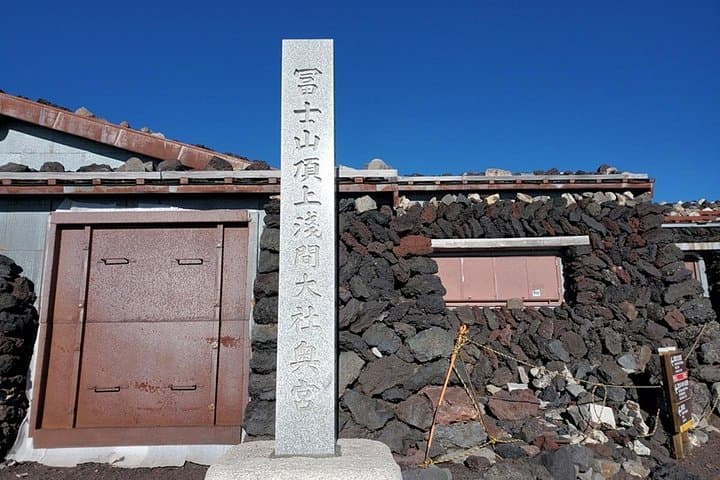
Fuji has been both a geological force and a cultural magnet for centuries — an active stratovolcano shaped by repeated eruptions and weather, and a sacred site on pilgrim routes for generations. The route used on this standard plan follows the Yoshida approach from the Subaru Line 5th Station, moving through forested lower slopes before giving way to high, rocky gradients and loose ash where every step demands attention.
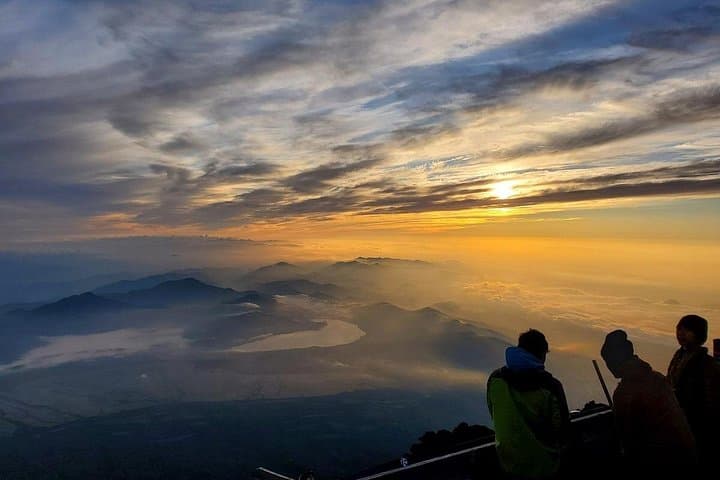
On night one you rest at an 8th-station mountain hut, a simple refuge where guides coordinate the pre-dawn summit push to catch goraikō, the sunrise that draws climbers to the crater rim. Expect cold, thin air and dramatic light on the crater edges; the summit can feel both exposed and intimate as wind and clouds shape the horizon.
Practical guidance: be prepared for rapid temperature swings, bring a reliable headlamp for the 4:00 a.m. ascent, and use trekking poles to manage the scree. Hydrate early and often — altitude makes water disappear — and accept a measured pace: the itinerary schedules about six hours up to the hut and a two-to-three-hour summit push. With moderate fitness and layered gear you’ll handle the route; with respect for altitude and weather, the climb becomes a clear, achievable adventure.
Round-trip bus from Shinjuku, mountain hut accommodation, dinner and breakfast, Mt. Fuji climbing fee, 500 ml bottle of water, rainwear and helmet rental, and an English-speaking guide are included.
No technical altitude experience is required, but travelers should have moderate fitness and be able to hike multiple hours uphill; the itinerary recommends avoiding if you have serious cardiovascular or spinal conditions.
The official climbing season is typically July–August when most hut services and bus routes operate; this tour runs in the official season to ensure hut availability and safer conditions.
Basic rentals like rainwear and helmets are provided; bring personal items like boots, base layers, and a headlamp for comfort and fit.
株式会社Japanticket operates guided outdoor trips and adventures with an emphasis on safety, stewardship, and memorable experiences.


You step off the bus at the Subaru Line 5th Station and the mountain looms: a broad cone of volcanic rock rising above the treeline, wind already testing your jacket. The climb begins from roughly 2,300 m, a mix of compacted trail, volcanic scree and stair-like switchbacks that push you steadily upward toward 3,776 m.
You step off the bus at the Subaru Line 5th Station and the mountain looms: a broad cone of volcanic rock rising above the treeline, wind already testing your jacket. The climb begins from roughly 2,300 m, a mix of compacted trail, volcanic scree and stair-like switchbacks that push you steadily upward toward 3,776 m.
Fuji has been both a geological force and a cultural magnet for centuries — an active stratovolcano shaped by repeated eruptions and weather, and a sacred site on pilgrim routes for generations. The route used on this standard plan follows the Yoshida approach from the Subaru Line 5th Station, moving through forested lower slopes before giving way to high, rocky gradients and loose ash where every step demands attention.
On night one you rest at an 8th-station mountain hut, a simple refuge where guides coordinate the pre-dawn summit push to catch goraikō, the sunrise that draws climbers to the crater rim. Expect cold, thin air and dramatic light on the crater edges; the summit can feel both exposed and intimate as wind and clouds shape the horizon.
Practical guidance: be prepared for rapid temperature swings, bring a reliable headlamp for the 4:00 a.m. ascent, and use trekking poles to manage the scree. Hydrate early and often — altitude makes water disappear — and accept a measured pace: the itinerary schedules about six hours up to the hut and a two-to-three-hour summit push. With moderate fitness and layered gear you’ll handle the route; with respect for altitude and weather, the climb becomes a clear, achievable adventure.