THE ADVENTURE COLLECTIVE® · Independent discovery and booking for outdoor travel

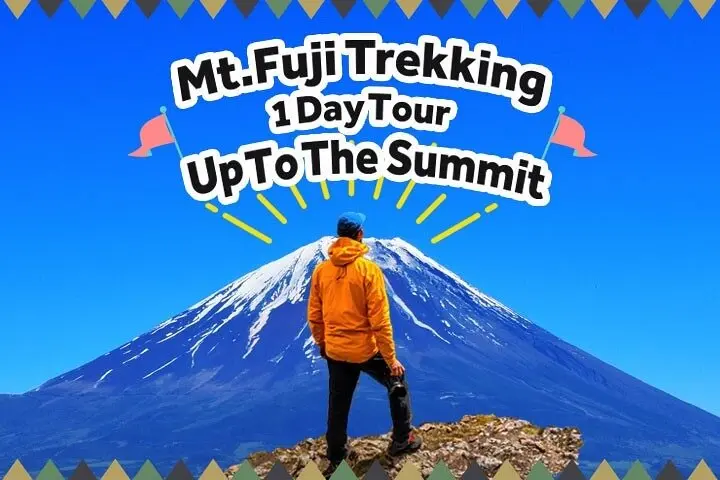
Climb from Mt. Fuji’s 5th Station up the Yoshida Trail to the 7th Station on a full-day guided trek, with an optional summit extension. Expect volcanic slopes, thin air, and sweeping views — and plan for a long, physically demanding day.
Climb from Mt. Fuji’s 5th Station up the Yoshida Trail to the 7th Station on a full-day guided trek, with an optional summit extension. Expect volcanic slopes, thin air, and sweeping views — and plan for a long, physically demanding day.
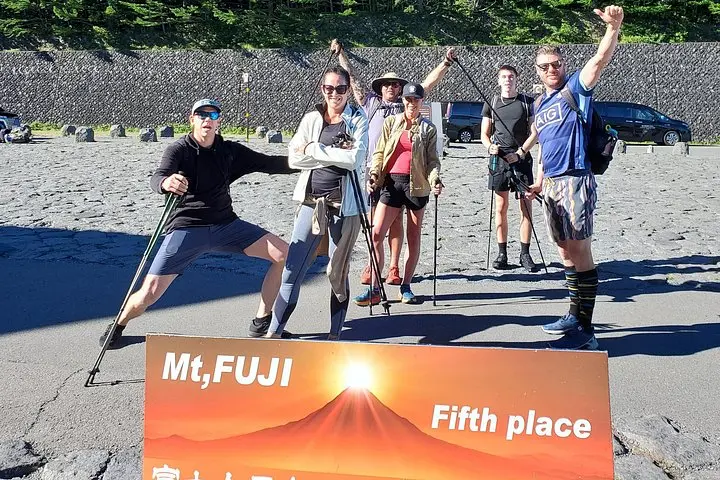
A cool wind bites as the road levels at the Fuji Subaru Line 5th Station and the summit of Mt. Fuji sits above like a pale, weathered crown. Hikers step out of the minivan into thin air, the cedar forest opening to stony slopes and a trail that angles upward in a sequence of switchbacks. The guide checks boots, hands out trekking poles, and points the group toward the Yoshida Trail that climbs to the 7th station.
Verified experiences and guided adventures in the surrounding area.
Operated by アウテック · Fujiyoshida, Yamanashi
A cool wind bites as the road levels at the Fuji Subaru Line 5th Station and the summit of Mt. Fuji sits above like a pale, weathered crown. Hikers step out of the minivan into thin air, the cedar forest opening to stony slopes and a trail that angles upward in a sequence of switchbacks. The guide checks boots, hands out trekking poles, and points the group toward the Yoshida Trail that climbs to the 7th station.
Geology here is blunt and recent — layers of andesite and basalt built by repeated eruptions that created the mountain’s classic cone. Culturally, Fuji has shaped poetry, woodblock prints and Shinto practice for centuries; its 2013 UNESCO World Cultural Heritage designation recognizes both the physical peak and its spiritual presence in Japan.
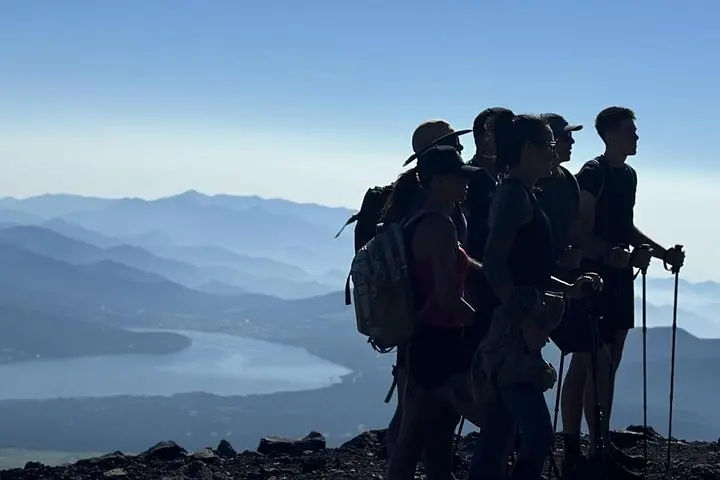
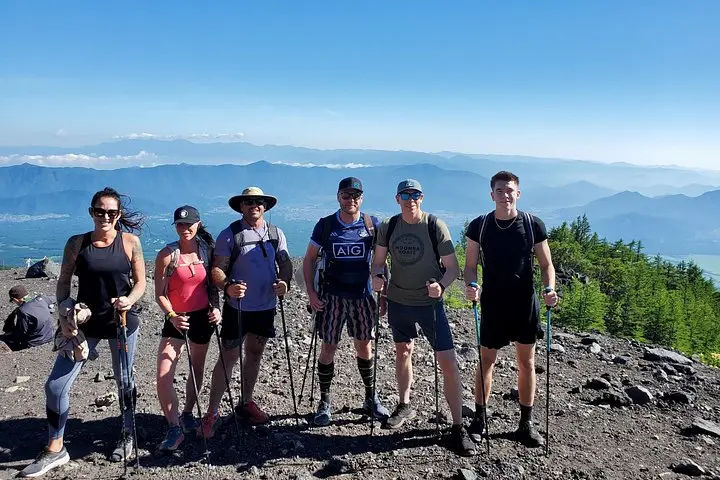
On the way, expect forested lower sections giving way to volcanic scree and panoramic windows onto Yamanashi’s lakes and the Kanto plain below. Altitude is the real variable: oxygen thins as you pass 2,500–2,700 m, and the pace shifts from energetic steps to steady breathing.
Practically, this is a long day — itineraries run 12–16 hours depending on traffic and whether you continue to the summit. Wear stiff-soled boots, layer for wind and sun, carry at least 1–2 liters of water and snacks provided by the tour, and use poles for balance on loose rock. The guide controls pace and route; if you want the summit, arrange that in advance and prepare for pre-dawn starts and colder conditions above 3,000 m.
The standard itinerary reaches the 7th station; a summit ascent can be arranged but requires earlier starts and additional fitness and gear.
Participants should have high fitness levels for long uphill hiking and be comfortable with long days and altitude; prior trekking experience is recommended.
Official climbing season is July–early September for safety and available huts; outside that window conditions are cold, snowy and more hazardous.
Yes — even moderate altitude can cause headaches, nausea or dizziness; hydrate, move slowly and inform the guide of symptoms immediately.
アウテック operates guided outdoor trips and adventures with an emphasis on safety, stewardship, and memorable experiences.
A cool wind bites as the road levels at the Fuji Subaru Line 5th Station and the summit of Mt. Fuji sits above like a pale, weathered crown. Hikers step out of the minivan into thin air, the cedar forest opening to stony slopes and a trail that angles upward in a sequence of switchbacks. The guide checks boots, hands out trekking poles, and points the group toward the Yoshida Trail that climbs to the 7th station.
A cool wind bites as the road levels at the Fuji Subaru Line 5th Station and the summit of Mt. Fuji sits above like a pale, weathered crown. Hikers step out of the minivan into thin air, the cedar forest opening to stony slopes and a trail that angles upward in a sequence of switchbacks. The guide checks boots, hands out trekking poles, and points the group toward the Yoshida Trail that climbs to the 7th station.
Geology here is blunt and recent — layers of andesite and basalt built by repeated eruptions that created the mountain’s classic cone. Culturally, Fuji has shaped poetry, woodblock prints and Shinto practice for centuries; its 2013 UNESCO World Cultural Heritage designation recognizes both the physical peak and its spiritual presence in Japan.
On the way, expect forested lower sections giving way to volcanic scree and panoramic windows onto Yamanashi’s lakes and the Kanto plain below. Altitude is the real variable: oxygen thins as you pass 2,500–2,700 m, and the pace shifts from energetic steps to steady breathing.
Practically, this is a long day — itineraries run 12–16 hours depending on traffic and whether you continue to the summit. Wear stiff-soled boots, layer for wind and sun, carry at least 1–2 liters of water and snacks provided by the tour, and use poles for balance on loose rock. The guide controls pace and route; if you want the summit, arrange that in advance and prepare for pre-dawn starts and colder conditions above 3,000 m.