THE ADVENTURE COLLECTIVE® · Independent discovery and booking for outdoor travel

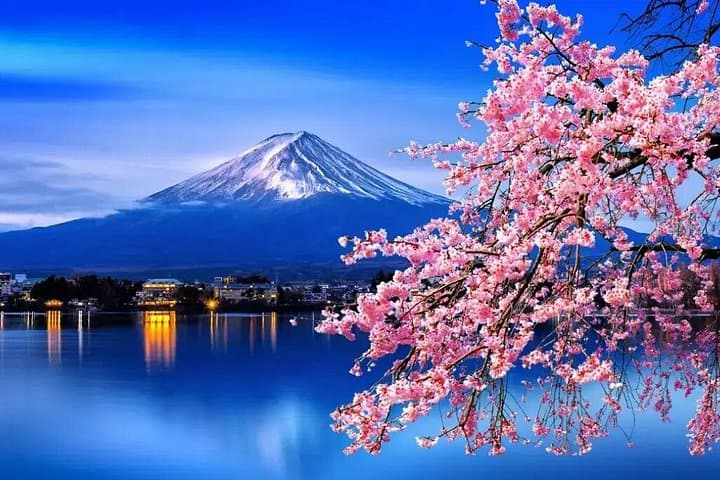
A one-day guided trip from Tokyo to Lake Kawaguchi that combines a panoramic ropeway ride, matcha-making, Oishi Park’s seasonal blooms and the pristine ponds of Oshino Hakkai. Plan mornings for best views and be ready for short walks and variable mountain weather.
A one-day guided trip from Tokyo to Lake Kawaguchi that combines a panoramic ropeway ride, matcha-making, Oishi Park’s seasonal blooms and the pristine ponds of Oshino Hakkai. Plan mornings for best views and be ready for short walks and variable mountain weather.
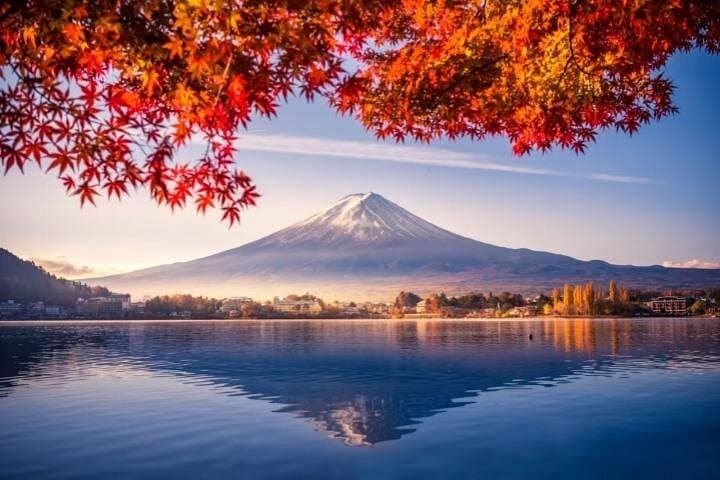
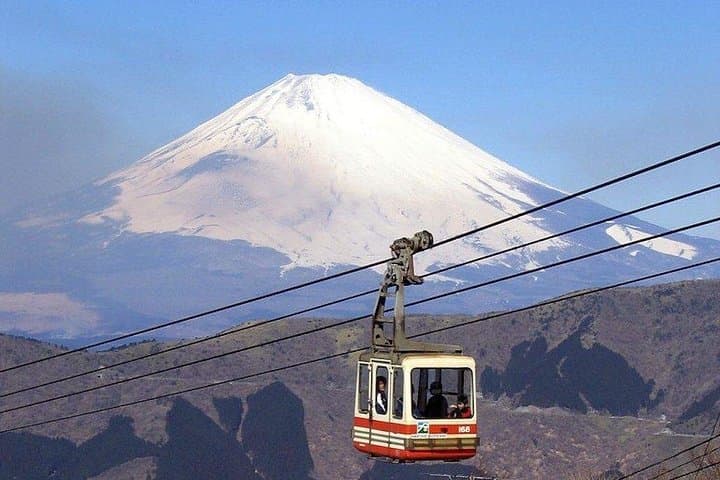
You step off the coach at Lake Kawaguchi and the air slices clean — Mount Fuji dominates the horizon, its snowline and shoulders playing hide-and-seek with a band of shifting clouds. The Kawaguchi ropeway lifts you in three crisp minutes to an observatory at roughly 1,075 m where the lake below acts like a mirror when the wind lets it be, and the Southern Alps sometimes punctuate the skyline.
Verified experiences and guided adventures in the surrounding area.
Operated by Scenic Bend · Fujikawaguchiko, Yamanashi
You step off the coach at Lake Kawaguchi and the air slices clean — Mount Fuji dominates the horizon, its snowline and shoulders playing hide-and-seek with a band of shifting clouds. The Kawaguchi ropeway lifts you in three crisp minutes to an observatory at roughly 1,075 m where the lake below acts like a mirror when the wind lets it be, and the Southern Alps sometimes punctuate the skyline.
This route threads geology and culture: Mount Fuji is an active stratovolcano whose eruptions shaped the surrounding lakes and springs; Oshino Hakkai is a cluster of eight spring-fed ponds formed when Fuji’s snowmelt filtered through volcanic ash and lava. The region has long blended Shinto reverence and Edo-era pilgrim trails with modern leisure — the tea ceremony offered here is a compact introduction to “ichi-go ichi-e,” the idea of honoring a single encounter.
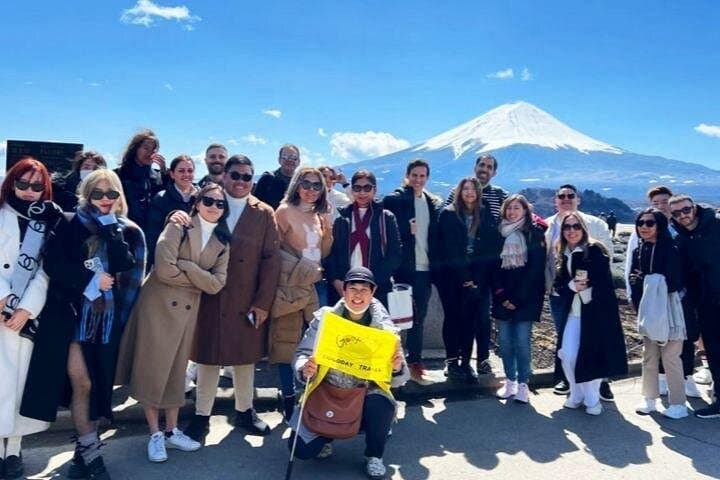
Expect a full 10‑hour day: coach transfer from Tokyo, a cable car/gondola ride, a guided stroll around Oishi Park, a matcha-making session, and a visit to Oshino Hakkai. Visibility is the variable; Fuji can be daring in the morning and shy by afternoon. Practicalities matter: the ropeway has strict operating hours and weather closures; luggage is discouraged; bring your passport for ID.
For planning, prioritize mornings for clean views, layer for wind at higher elevations, and allow extra time on weekends for traffic. The tour is low‑impact in effort but high on visual payoff — a compact, well-rounded way to meet Mount Fuji and the lakes at its feet.
The total duration is about 10 hours with morning departures from central Tokyo; exact pickup points and times are sent the evening before.
Visibility is weather-dependent; if the ropeway or views are unavailable due to weather the operator may substitute a boat ride or adjust the itinerary and may refund cable-car fees if applicable.
Yes — strollers are allowed; infants must sit on laps. Inform the operator about young children when booking.
Large luggage is discouraged; one small bag is typically allowed but you should declare luggage needs when booking to avoid refusal or extra fees.
Scenic Bend operates guided outdoor trips and adventures with an emphasis on safety, stewardship, and memorable experiences.
You step off the coach at Lake Kawaguchi and the air slices clean — Mount Fuji dominates the horizon, its snowline and shoulders playing hide-and-seek with a band of shifting clouds. The Kawaguchi ropeway lifts you in three crisp minutes to an observatory at roughly 1,075 m where the lake below acts like a mirror when the wind lets it be, and the Southern Alps sometimes punctuate the skyline.
You step off the coach at Lake Kawaguchi and the air slices clean — Mount Fuji dominates the horizon, its snowline and shoulders playing hide-and-seek with a band of shifting clouds. The Kawaguchi ropeway lifts you in three crisp minutes to an observatory at roughly 1,075 m where the lake below acts like a mirror when the wind lets it be, and the Southern Alps sometimes punctuate the skyline.
This route threads geology and culture: Mount Fuji is an active stratovolcano whose eruptions shaped the surrounding lakes and springs; Oshino Hakkai is a cluster of eight spring-fed ponds formed when Fuji’s snowmelt filtered through volcanic ash and lava. The region has long blended Shinto reverence and Edo-era pilgrim trails with modern leisure — the tea ceremony offered here is a compact introduction to “ichi-go ichi-e,” the idea of honoring a single encounter.
Expect a full 10‑hour day: coach transfer from Tokyo, a cable car/gondola ride, a guided stroll around Oishi Park, a matcha-making session, and a visit to Oshino Hakkai. Visibility is the variable; Fuji can be daring in the morning and shy by afternoon. Practicalities matter: the ropeway has strict operating hours and weather closures; luggage is discouraged; bring your passport for ID.
For planning, prioritize mornings for clean views, layer for wind at higher elevations, and allow extra time on weekends for traffic. The tour is low‑impact in effort but high on visual payoff — a compact, well-rounded way to meet Mount Fuji and the lakes at its feet.