THE ADVENTURE COLLECTIVE® · Independent discovery and booking for outdoor travel

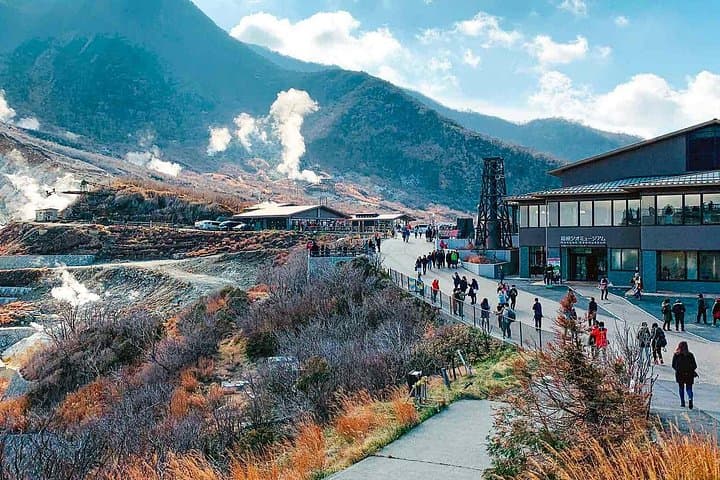
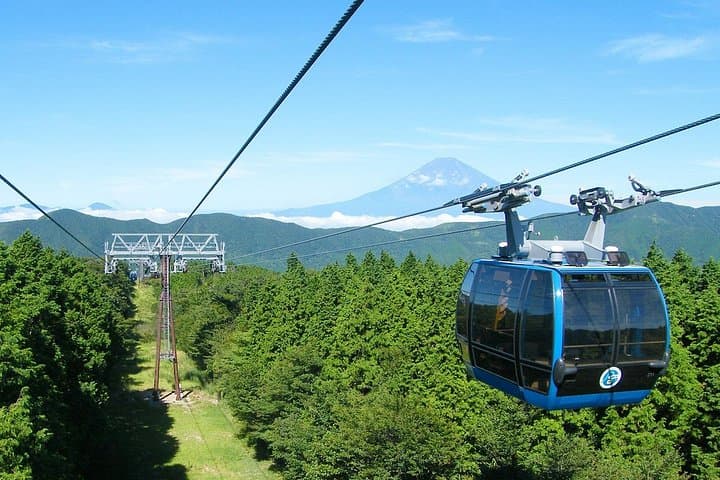
Spend a day sailing Lake Ashi on a sightseeing pirate ship, riding the Hakone Ropeway above volcanic steam, and exploring Owakudani’s sulfur vents. This guided, full-day tour pairs cultural spots like Hakone Shrine and Oshino Hakkai with reliable Mt. Fuji viewpoints (weather permitting).
Spend a day sailing Lake Ashi on a sightseeing pirate ship, riding the Hakone Ropeway above volcanic steam, and exploring Owakudani’s sulfur vents. This guided, full-day tour pairs cultural spots like Hakone Shrine and Oshino Hakkai with reliable Mt. Fuji viewpoints (weather permitting).
A cool morning on Lake Ashi feels like a rehearsal for the rest of the day: a pirate ship cleaves the glassy water, gulls wheel, and the low clouds either reveal or hide Fuji’s cone like a stage curtain. The boat’s horn echoes off cedar-lined shores as the Heiwa no Torii rises red against the lake.
Verified experiences and guided adventures in the surrounding area.
Operated by Trevopedia Wonders · Hakone, Kanagawa
A cool morning on Lake Ashi feels like a rehearsal for the rest of the day: a pirate ship cleaves the glassy water, gulls wheel, and the low clouds either reveal or hide Fuji’s cone like a stage curtain. The boat’s horn echoes off cedar-lined shores as the Heiwa no Torii rises red against the lake.
This loop through Hakone and the Mount Fuji foothills mixes Edo-era pilgrimage routes with volcanic geology. Hakone Shrine sits beneath ancient cedars—some trunks more than 800 years old—while Owakudani’s steaming fumaroles remind you this landscape is still alive, a product of past eruptions in the Fuji volcanic zone. Oshino Hakkai’s spring ponds filter snowmelt that once carved the area’s valleys; villages here preserve wooden storefronts and snack stalls selling the famous kuro-tamago (black eggs) boiled in sulfur springs.
Practically: expect a long day (about 9–10 hours from Tokyo), several short walks and easy onboard transfers. Lake Ashi’s sightseeing cruise is roughly 30 minutes; the Hakone Ropeway segments also run ~30 minutes in total and reach volcanic viewing points around 1,000–1,100 m elevation, while Lake Ashi sits near 720–740 m. Visibility of Mt. Fuji is weather-dependent—clear mornings are best.
Bring layers for wind on the ropeway and sulfur-scented air at Owakudani, wear comfortable walking shoes for shrine approaches and village streets, and carry cash for small vendors. The tour is well suited to travelers of most fitness levels and offers an efficient way to sample Hakone’s water, steam, and sky in a single day.
No—visibility depends on weather; clear mornings and winter days offer the best chances. Guides plan viewpoints to maximize odds, but snow, haze, or clouds can obscure the peak.
The operator lists wheelchair accessibility for transportation and main areas, but some shrine approaches and village streets have steps—contact the operator ahead to confirm site access.
Meals are not included; brief stops offer food and restrooms at tourist hubs, but bring snacks if you have dietary needs.
The tour may be adjusted or shortened for safety in severe weather; ropeway or cruise segments can close due to wind or volcanic activity and refunds follow the operator’s stated policy.
Trevopedia Wonders operates guided outdoor trips and adventures with an emphasis on safety, stewardship, and memorable experiences.

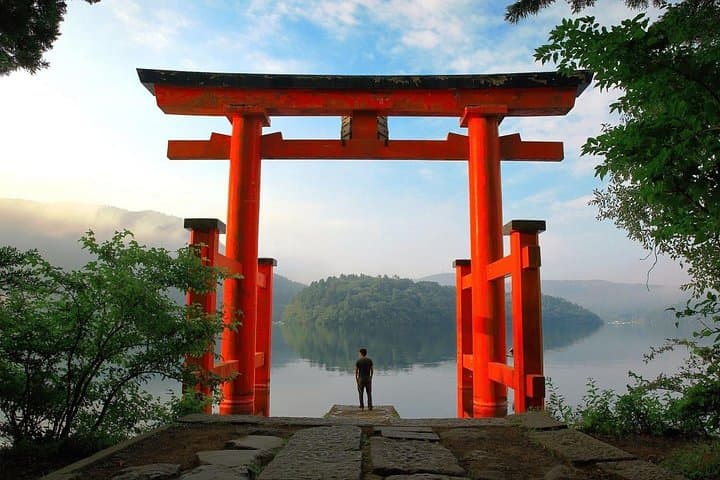
A cool morning on Lake Ashi feels like a rehearsal for the rest of the day: a pirate ship cleaves the glassy water, gulls wheel, and the low clouds either reveal or hide Fuji’s cone like a stage curtain. The boat’s horn echoes off cedar-lined shores as the Heiwa no Torii rises red against the lake.
A cool morning on Lake Ashi feels like a rehearsal for the rest of the day: a pirate ship cleaves the glassy water, gulls wheel, and the low clouds either reveal or hide Fuji’s cone like a stage curtain. The boat’s horn echoes off cedar-lined shores as the Heiwa no Torii rises red against the lake.
This loop through Hakone and the Mount Fuji foothills mixes Edo-era pilgrimage routes with volcanic geology. Hakone Shrine sits beneath ancient cedars—some trunks more than 800 years old—while Owakudani’s steaming fumaroles remind you this landscape is still alive, a product of past eruptions in the Fuji volcanic zone. Oshino Hakkai’s spring ponds filter snowmelt that once carved the area’s valleys; villages here preserve wooden storefronts and snack stalls selling the famous kuro-tamago (black eggs) boiled in sulfur springs.
Practically: expect a long day (about 9–10 hours from Tokyo), several short walks and easy onboard transfers. Lake Ashi’s sightseeing cruise is roughly 30 minutes; the Hakone Ropeway segments also run ~30 minutes in total and reach volcanic viewing points around 1,000–1,100 m elevation, while Lake Ashi sits near 720–740 m. Visibility of Mt. Fuji is weather-dependent—clear mornings are best.
Bring layers for wind on the ropeway and sulfur-scented air at Owakudani, wear comfortable walking shoes for shrine approaches and village streets, and carry cash for small vendors. The tour is well suited to travelers of most fitness levels and offers an efficient way to sample Hakone’s water, steam, and sky in a single day.