THE ADVENTURE COLLECTIVE® · Independent discovery and booking for outdoor travel

Spend a focused day from Tokyo exploring Mount Fuji views, a Lake Ashi cruise, the Hakone Ropeway over Owakudani’s steaming vents, and the spring-fed ponds of Oshino Hakkai. This guided small-group itinerary packs geology, history, and easy walks into a 10-hour loop.
Spend a focused day from Tokyo exploring Mount Fuji views, a Lake Ashi cruise, the Hakone Ropeway over Owakudani’s steaming vents, and the spring-fed ponds of Oshino Hakkai. This guided small-group itinerary packs geology, history, and easy walks into a 10-hour loop.
A morning bus peels away from Tokyo and, within an hour, the city’s noise loosens into mountain air. On clear days Mount Fuji pins the horizon like a pale guardian; the coach threads forests and switchbacks toward Lake Ashi, where a replica “pirate” ship cuts a black wake and the vermilion torii of Hakone Shrine rises from the water.
Verified experiences and guided adventures in the surrounding area.
Operated by Caiyi Travel · Hakone, Kanagawa
A morning bus peels away from Tokyo and, within an hour, the city’s noise loosens into mountain air. On clear days Mount Fuji pins the horizon like a pale guardian; the coach threads forests and switchbacks toward Lake Ashi, where a replica “pirate” ship cuts a black wake and the vermilion torii of Hakone Shrine rises from the water.
Hakone sits inside the Fuji-Hakone-Izu National Park and owes its shape to volcanic forces: the Hakone caldera and nearby Owakudani hot springs are recent geologic actors, still exhaling sulfur-scented steam. Culture is folded into the landscape—Hakone Shrine’s long history as a pilgrimage site, Oshino Hakkai’s spring-fed ponds reflecting Fuji’s slopes, and lakeside swans at Yamanaka that photographers favor for dawn light.
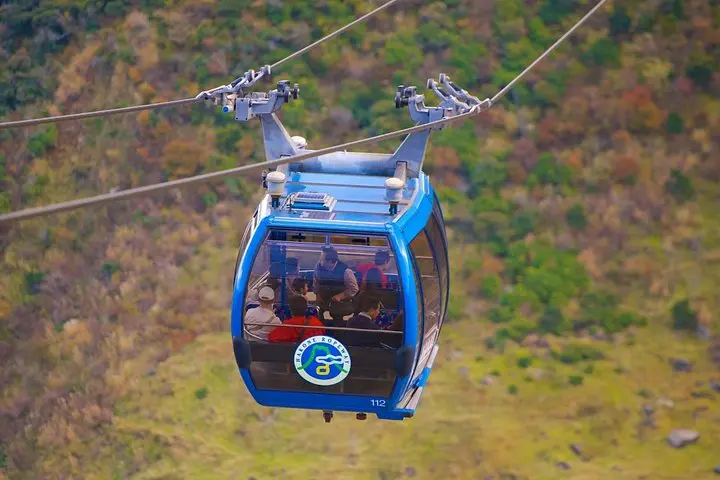
The day trip stitches these highlights into a ten-hour loop: a guided shuttle from Tokyo, a Lake Ashi cruise, a Hakone Ropeway ascent over bubbling fumaroles, time at Owakudani (black eggs optional), and a visit to Oshino Hakkai’s crystal springs. Practical realities shape the experience: visibility of Mount Fuji is weather-dependent, ropeway operations can close for wind, and Owakudani’s volcanic vents may restrict access.
Plan for layered clothing, comfortable walking shoes, and a hat—microclimates change with elevation. Bring cash for small vendors and the black-egg stall, and allow extra time for photography and short walks around shrines and ponds. For travelers who prefer minimal exertion, the route is low-impact but dense—expect several short walks and standing time on the ropeway and cruise decks.
No—visibility depends on weather. The tour visits classic viewpoints, but clouds or haze often hide Fuji; winter mornings offer the clearest chances.
The ropeway is well-maintained and operated by professionals, but it involves open views and suspension; those with severe vertigo may find it uncomfortable.
Yes—there are restrooms at major stops and small restaurants near Hakone Shrine, Owakudani, and Oshino Hakkai; bring cash for smaller stalls.
The tour lists meeting locations in Shinjuku and Tokyo Station; both are accessible by JR and subway lines—arrive 10–15 minutes early to avoid delays.
Caiyi Travel operates guided outdoor trips and adventures with an emphasis on safety, stewardship, and memorable experiences.
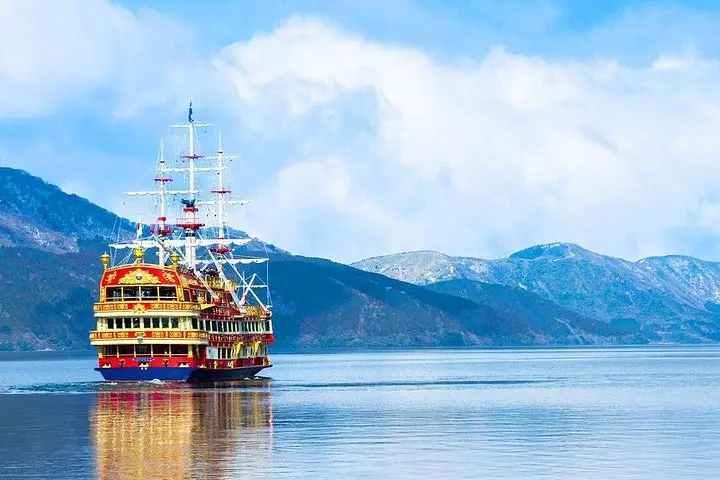
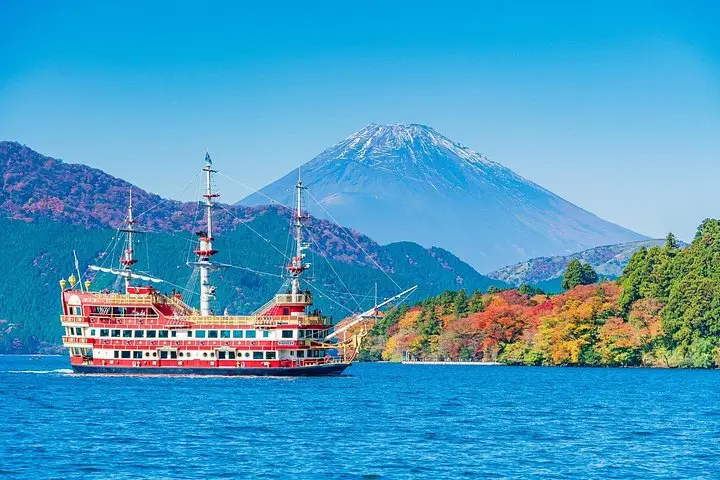
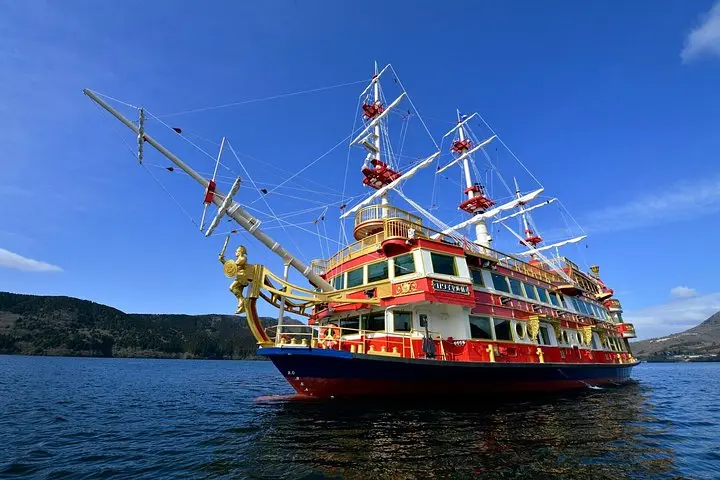
A morning bus peels away from Tokyo and, within an hour, the city’s noise loosens into mountain air. On clear days Mount Fuji pins the horizon like a pale guardian; the coach threads forests and switchbacks toward Lake Ashi, where a replica “pirate” ship cuts a black wake and the vermilion torii of Hakone Shrine rises from the water.
A morning bus peels away from Tokyo and, within an hour, the city’s noise loosens into mountain air. On clear days Mount Fuji pins the horizon like a pale guardian; the coach threads forests and switchbacks toward Lake Ashi, where a replica “pirate” ship cuts a black wake and the vermilion torii of Hakone Shrine rises from the water.
Hakone sits inside the Fuji-Hakone-Izu National Park and owes its shape to volcanic forces: the Hakone caldera and nearby Owakudani hot springs are recent geologic actors, still exhaling sulfur-scented steam. Culture is folded into the landscape—Hakone Shrine’s long history as a pilgrimage site, Oshino Hakkai’s spring-fed ponds reflecting Fuji’s slopes, and lakeside swans at Yamanaka that photographers favor for dawn light.
The day trip stitches these highlights into a ten-hour loop: a guided shuttle from Tokyo, a Lake Ashi cruise, a Hakone Ropeway ascent over bubbling fumaroles, time at Owakudani (black eggs optional), and a visit to Oshino Hakkai’s crystal springs. Practical realities shape the experience: visibility of Mount Fuji is weather-dependent, ropeway operations can close for wind, and Owakudani’s volcanic vents may restrict access.
Plan for layered clothing, comfortable walking shoes, and a hat—microclimates change with elevation. Bring cash for small vendors and the black-egg stall, and allow extra time for photography and short walks around shrines and ponds. For travelers who prefer minimal exertion, the route is low-impact but dense—expect several short walks and standing time on the ropeway and cruise decks.