THE ADVENTURE COLLECTIVE® · Independent discovery and booking for outdoor travel

See Mount Fuji from the Subaru Line 5th Station, glide across Lake Ashi on a sightseeing cruise, catch a Wadaiko drum performance, and return to Tokyo by Shinkansen—all in one long, well-paced day. Read practical tips on timing, clothing, and what to expect when weather or closures force plan B.
See Mount Fuji from the Subaru Line 5th Station, glide across Lake Ashi on a sightseeing cruise, catch a Wadaiko drum performance, and return to Tokyo by Shinkansen—all in one long, well-paced day. Read practical tips on timing, clothing, and what to expect when weather or closures force plan B.
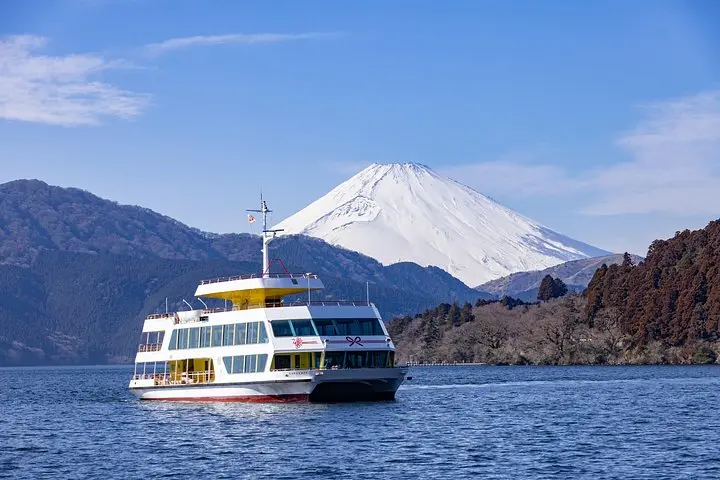
The bus peels away from Tokyo and, after a blur of highway and rice fields, the air starts to sharpen as the city’s hum thins. Mountains climb into view, and if luck and weather align, Mount Fuji rises like an ordered geometry—stoic, symmetrical—above a band of cloud. This one-day loop stitches together the high drama of Fuji with the softer, lake-fed landscapes of Hakone: a Subaru Line ascent to the 5th Station, a lakeside cruise across Lake Ashi, a cable car to Komagatake, and a return on the Kodama Shinkansen to Tokyo.
Verified experiences and guided adventures in the surrounding area.
Operated by JTB Global Marketing & Travel Inc. · Hakone, Kanagawa
The bus peels away from Tokyo and, after a blur of highway and rice fields, the air starts to sharpen as the city’s hum thins. Mountains climb into view, and if luck and weather align, Mount Fuji rises like an ordered geometry—stoic, symmetrical—above a band of cloud. This one-day loop stitches together the high drama of Fuji with the softer, lake-fed landscapes of Hakone: a Subaru Line ascent to the 5th Station, a lakeside cruise across Lake Ashi, a cable car to Komagatake, and a return on the Kodama Shinkansen to Tokyo.
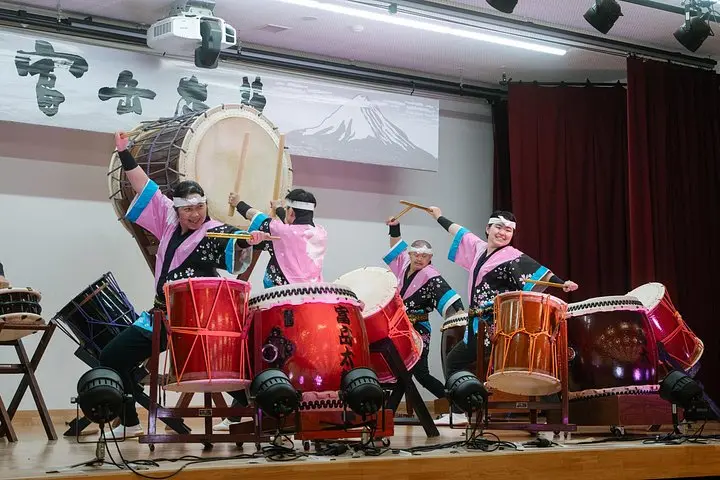
Geology here reads like layered chapters. Fuji is a stratovolcano whose last eruption in 1707 left the Kanto plain dusted with ash; the lava cones and classic profile visible from Hakone are the work of millennia. Hakone itself is a collapsed caldera, poured through with hot springs and sulfur-scented vents—small reminders that this place is still geologically active. Culturally, the route between Edo (old Tokyo) and Hakone was a critical checkpoint in the Tokugawa era, and shrines like Hakone Shrine continue to anchor local spiritual practice. The Wadaiko drum performance included at the lunch stop is less spectacle than living practice—percussive rhythms that pull centuries of communal ritual into the present.
Practical detail matters on a long day like this. The tour’s Subaru Line ascent reaches roughly 2,300 meters (the 5th Station), so temperatures can be dramatically lower than Tokyo; expect a 10–15°C drop, even in summer. The Lake Ashi cruise is a calm, photogenic 20–30 minute glide; the Hakone Ropeway climbs steeply to views that slice across the caldera. Total tour time is about 11–12 hours (710 minutes), with travel by heated, air-conditioned bus outbound and a 34-minute Kodama Shinkansen ride back to Tokyo. The operator provides a licensed English guide and options for lunch—vegetarian and Muslim-friendly menus available with advance notice.
Tips for planning: layer up, bring cash for small stalls and shrine offerings, and carry a power bank—the long day means lots of photos. Visibility is weather-dependent; the tour runs in most conditions, but specific attractions like the 5th Station, ropeway, or cruise may be substituted if closed. If you want Fuji framed against a lake and a shrine gate, aim for clear days in late spring or autumn. For travelers who prize efficiency: this is a compact, logistics-savvy way to see two of the Kanto region’s signature landscapes in a single, memorable day.
No—around December to early April the Subaru Line may close from snow and freezing; the tour will visit the highest accessible point or alternate attractions when required.
Lunch is included only if you select the "With Lunch" option; vegetarian, Muslim-friendly, and Indian thali menus are available with advance notice.
The return is by Kodama Shinkansen (non-reserved cars) from Odawara Station; the ride to Tokyo Station is about 34 minutes.
The tour notes stroller and basic accessibility; restrooms are available at major stops but facilities at high-altitude viewpoints can be basic.
The operator will guide you to alternative facilities like museums, other lakes, or ropeway viewpoints; the tour runs in most weather but specific attractions may be substituted.
Yes—this itinerary is classified as easy and accommodates most ages, though the altitude and long day may be tiring for very young children or those with mobility issues.
JTB Global Marketing & Travel Inc. operates guided outdoor trips and adventures with an emphasis on safety, stewardship, and memorable experiences.
The bus peels away from Tokyo and, after a blur of highway and rice fields, the air starts to sharpen as the city’s hum thins. Mountains climb into view, and if luck and weather align, Mount Fuji rises like an ordered geometry—stoic, symmetrical—above a band of cloud. This one-day loop stitches together the high drama of Fuji with the softer, lake-fed landscapes of Hakone: a Subaru Line ascent to the 5th Station, a lakeside cruise across Lake Ashi, a cable car to Komagatake, and a return on the Kodama Shinkansen to Tokyo.
The bus peels away from Tokyo and, after a blur of highway and rice fields, the air starts to sharpen as the city’s hum thins. Mountains climb into view, and if luck and weather align, Mount Fuji rises like an ordered geometry—stoic, symmetrical—above a band of cloud. This one-day loop stitches together the high drama of Fuji with the softer, lake-fed landscapes of Hakone: a Subaru Line ascent to the 5th Station, a lakeside cruise across Lake Ashi, a cable car to Komagatake, and a return on the Kodama Shinkansen to Tokyo.
Geology here reads like layered chapters. Fuji is a stratovolcano whose last eruption in 1707 left the Kanto plain dusted with ash; the lava cones and classic profile visible from Hakone are the work of millennia. Hakone itself is a collapsed caldera, poured through with hot springs and sulfur-scented vents—small reminders that this place is still geologically active. Culturally, the route between Edo (old Tokyo) and Hakone was a critical checkpoint in the Tokugawa era, and shrines like Hakone Shrine continue to anchor local spiritual practice. The Wadaiko drum performance included at the lunch stop is less spectacle than living practice—percussive rhythms that pull centuries of communal ritual into the present.
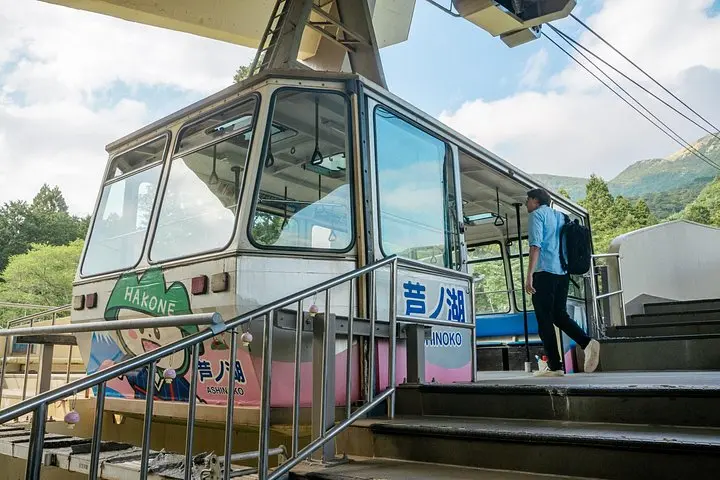
Practical detail matters on a long day like this. The tour’s Subaru Line ascent reaches roughly 2,300 meters (the 5th Station), so temperatures can be dramatically lower than Tokyo; expect a 10–15°C drop, even in summer. The Lake Ashi cruise is a calm, photogenic 20–30 minute glide; the Hakone Ropeway climbs steeply to views that slice across the caldera. Total tour time is about 11–12 hours (710 minutes), with travel by heated, air-conditioned bus outbound and a 34-minute Kodama Shinkansen ride back to Tokyo. The operator provides a licensed English guide and options for lunch—vegetarian and Muslim-friendly menus available with advance notice.
Tips for planning: layer up, bring cash for small stalls and shrine offerings, and carry a power bank—the long day means lots of photos. Visibility is weather-dependent; the tour runs in most conditions, but specific attractions like the 5th Station, ropeway, or cruise may be substituted if closed. If you want Fuji framed against a lake and a shrine gate, aim for clear days in late spring or autumn. For travelers who prize efficiency: this is a compact, logistics-savvy way to see two of the Kanto region’s signature landscapes in a single, memorable day.