THE ADVENTURE COLLECTIVE® · Independent discovery and booking for outdoor travel

Leave Tokyo for a day to meet Mount Fuji up close, glide over Hakone’s volcanic backcountry and cruise or contemplate Lake Ashi. This private full-day tour pairs efficient transport with local insight — ideal for travelers who want big views without the logistics.
Leave Tokyo for a day to meet Mount Fuji up close, glide over Hakone’s volcanic backcountry and cruise or contemplate Lake Ashi. This private full-day tour pairs efficient transport with local insight — ideal for travelers who want big views without the logistics.
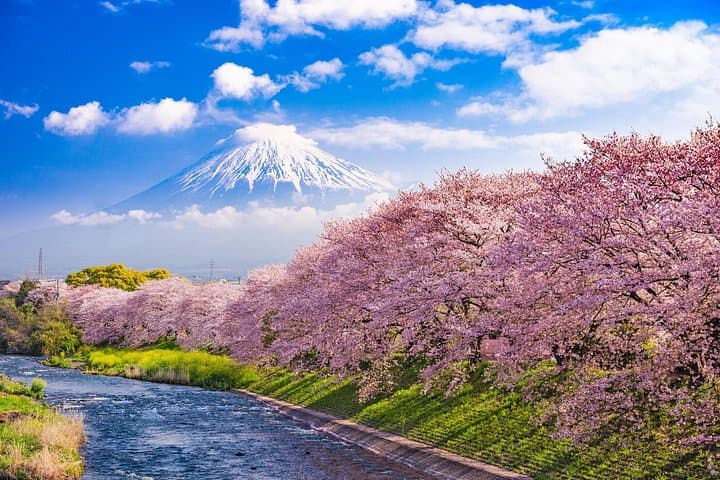
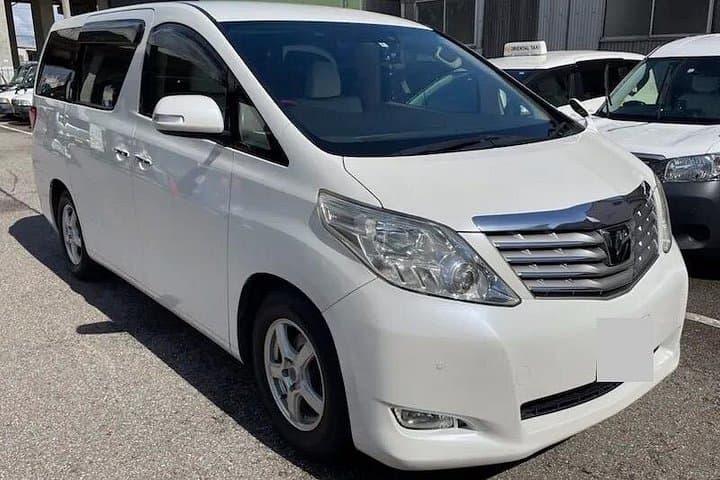
You step out of the Tokyo traffic into a quieter world as the private van threads west across the Kanto plain. Urban noise thins, and the first glimpse of Mount Fuji—its snow-capped cone rising above cloud—fills the windshield like an invitation. At the 5th Station the air is thinner and sharper; visitors exhale in little white ghosts as they move between vending stalls, a small shrine, and the observation deck that frames Fuji’s perfect profile.
Verified experiences and guided adventures in the surrounding area.
Operated by taxiGo Limo Airport Service · Tokyo, Tokyo
You step out of the Tokyo traffic into a quieter world as the private van threads west across the Kanto plain. Urban noise thins, and the first glimpse of Mount Fuji—its snow-capped cone rising above cloud—fills the windshield like an invitation. At the 5th Station the air is thinner and sharper; visitors exhale in little white ghosts as they move between vending stalls, a small shrine, and the observation deck that frames Fuji’s perfect profile.
This day trip stitches together three distinct landscapes: the volcanic slopes of Fuji, the placid lakes that collect its runoff, and the steaming geology of Hakone. Mount Fuji is not just a peak; for centuries it has been a cultural axis — a sacred mountain for Shinto pilgrims and an icon that shaped Japanese poetry and woodblock prints. Geologically, Fuji is a young stratovolcano, its symmetrical cone rebuilt through repeated eruptions over the last 10,000 years.
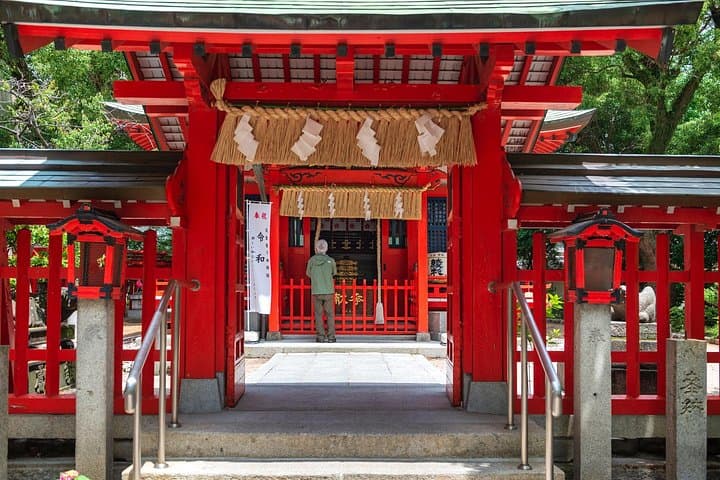
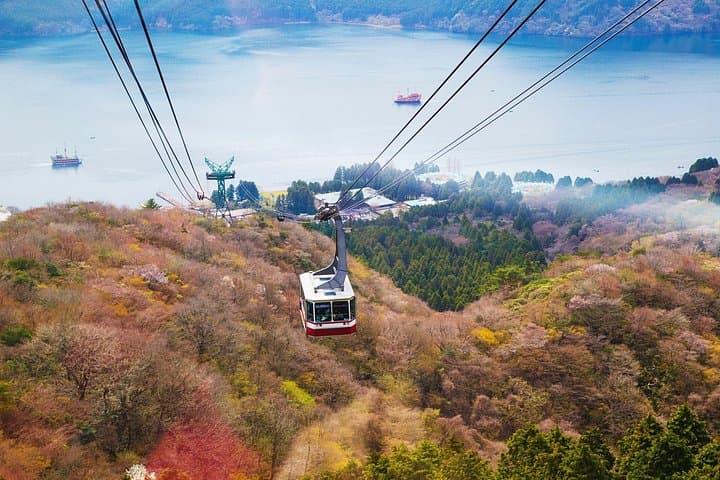
From the 5th Station the tour typically drops down to Lake Kawaguchi for a contrast of scale: the mountain’s reflection, when the breeze calms, makes the lake seem to hold Fuji in suspension. Next is Hakone, where the ropeway climbs over fumaroles and sulfur-tinged vents. The Hakone landscape owes its dramatic dips and lakes to eruptions that hollowed the caldera; Lake Ashi itself sits in the crater rim, its surface daring you to find the torii that stands half-submerged by Kuzuryū Shrine.
There’s cultural texture, too: Hakone was a checkpoint town on the old Tōkaidō route, and local ryokans keep the region’s onsen (hot-spring) etiquette intact. Guides on the private tour weave history with practical tips — where to try yudofu or the best spot for an unobstructed Fuji photo.
Practical guidance: the full-day itinerary runs about 6–7 hours door-to-door from central Tokyo. Expect a mix of paved walkways, short stair sections at viewpoints, and cool, changeable mountain weather; layers are essential. The ropeway and lake cruise have separate fees, and crowds peak mid-morning to early afternoon — scheduling an early pickup helps. Bring cash for small vendors, a power bank for photography, and comfortable shoes if you plan to walk around the 5th Station and Hakone shrine areas.
For travelers who want the most out of one long day, this private option bundles transport, local insight, and flexibility: linger at a lakeside cafe, swap the cruise for a longer onsen stop, or simply watch the clouds rearrange themselves on Fuji’s slopes. It’s an efficient, sensory-rich way to see why this corridor west of Tokyo remains one of Japan’s most enduring outdoor experiences.
No — the tour visits Mount Fuji’s 5th Station (around 2,300 m) for views and short walks; summit climbs require separate, overnight planning and season-specific guides.
They are not always included — the tour lists them as optional activities; bring cash or check with the operator to confirm if admissions are covered.
Pickup is arranged from central Tokyo locations or participating hotels; you’ll be met with a sign bearing your name — confirm exact pickup details in advance.
Yes — the operator provides infant seats on request, and the pace is family-friendly, though expect some walking and altitude change at the 5th Station.
Late autumn through winter often yields crisp, clear air; early morning increases chances of unobstructed vistas across seasons.
Guides encourage staying on established paths, taking all litter back to Tokyo, and minimizing disturbance to wildlife — support local conservation by following those practices.
taxiGo Limo Airport Service operates guided outdoor trips and adventures with an emphasis on safety, stewardship, and memorable experiences.
You step out of the Tokyo traffic into a quieter world as the private van threads west across the Kanto plain. Urban noise thins, and the first glimpse of Mount Fuji—its snow-capped cone rising above cloud—fills the windshield like an invitation. At the 5th Station the air is thinner and sharper; visitors exhale in little white ghosts as they move between vending stalls, a small shrine, and the observation deck that frames Fuji’s perfect profile.
You step out of the Tokyo traffic into a quieter world as the private van threads west across the Kanto plain. Urban noise thins, and the first glimpse of Mount Fuji—its snow-capped cone rising above cloud—fills the windshield like an invitation. At the 5th Station the air is thinner and sharper; visitors exhale in little white ghosts as they move between vending stalls, a small shrine, and the observation deck that frames Fuji’s perfect profile.
This day trip stitches together three distinct landscapes: the volcanic slopes of Fuji, the placid lakes that collect its runoff, and the steaming geology of Hakone. Mount Fuji is not just a peak; for centuries it has been a cultural axis — a sacred mountain for Shinto pilgrims and an icon that shaped Japanese poetry and woodblock prints. Geologically, Fuji is a young stratovolcano, its symmetrical cone rebuilt through repeated eruptions over the last 10,000 years.
From the 5th Station the tour typically drops down to Lake Kawaguchi for a contrast of scale: the mountain’s reflection, when the breeze calms, makes the lake seem to hold Fuji in suspension. Next is Hakone, where the ropeway climbs over fumaroles and sulfur-tinged vents. The Hakone landscape owes its dramatic dips and lakes to eruptions that hollowed the caldera; Lake Ashi itself sits in the crater rim, its surface daring you to find the torii that stands half-submerged by Kuzuryū Shrine.
There’s cultural texture, too: Hakone was a checkpoint town on the old Tōkaidō route, and local ryokans keep the region’s onsen (hot-spring) etiquette intact. Guides on the private tour weave history with practical tips — where to try yudofu or the best spot for an unobstructed Fuji photo.
Practical guidance: the full-day itinerary runs about 6–7 hours door-to-door from central Tokyo. Expect a mix of paved walkways, short stair sections at viewpoints, and cool, changeable mountain weather; layers are essential. The ropeway and lake cruise have separate fees, and crowds peak mid-morning to early afternoon — scheduling an early pickup helps. Bring cash for small vendors, a power bank for photography, and comfortable shoes if you plan to walk around the 5th Station and Hakone shrine areas.
For travelers who want the most out of one long day, this private option bundles transport, local insight, and flexibility: linger at a lakeside cafe, swap the cruise for a longer onsen stop, or simply watch the clouds rearrange themselves on Fuji’s slopes. It’s an efficient, sensory-rich way to see why this corridor west of Tokyo remains one of Japan’s most enduring outdoor experiences.