THE ADVENTURE COLLECTIVE® · Independent discovery and booking for outdoor travel

A full-day loop from Hakone to Mount Fuji: sail Lake Ashi on a pirate ship, ride the Hakone Ropeway above fumaroles, and walk the volcanic rims of Owakudani. Expect strong visuals, easy walking, and a long but accessible itinerary.
A full-day loop from Hakone to Mount Fuji: sail Lake Ashi on a pirate ship, ride the Hakone Ropeway above fumaroles, and walk the volcanic rims of Owakudani. Expect strong visuals, easy walking, and a long but accessible itinerary.
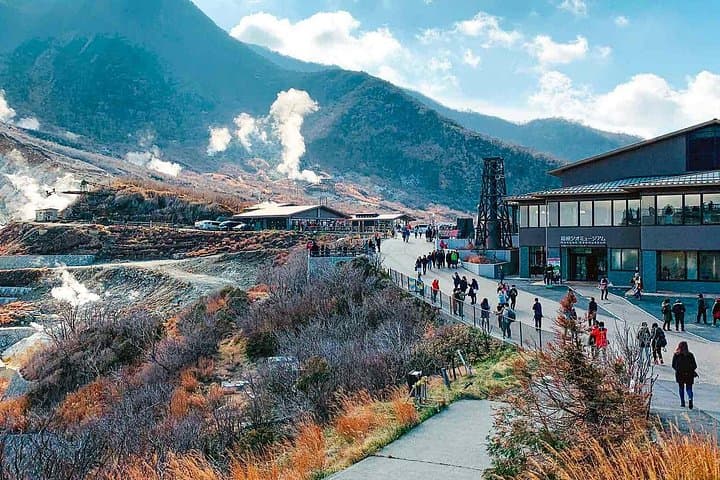
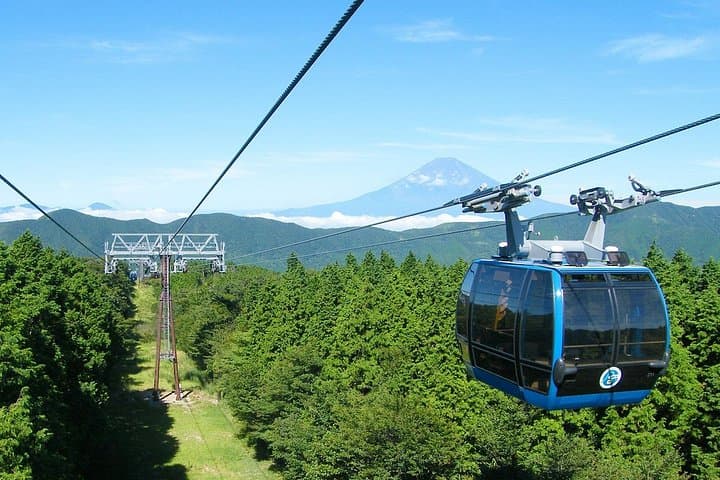
You step from the coach onto a wind-sliced shore and the lake answers with small waves licking the hull—Lake Ashi always seems to be watching. The tour threads together Hakone’s high drama: a pirate ship crossing the glassy lake, an aerial ride on the Hakone Ropeway that lifts you above steaming vents, and the sulfurous breath of Owakudani that marks the earth’s fever.
Verified experiences and guided adventures in the surrounding area.
Operated by Trevopedia Wonders · Hakone, Kanagawa
You step from the coach onto a wind-sliced shore and the lake answers with small waves licking the hull—Lake Ashi always seems to be watching. The tour threads together Hakone’s high drama: a pirate ship crossing the glassy lake, an aerial ride on the Hakone Ropeway that lifts you above steaming vents, and the sulfurous breath of Owakudani that marks the earth’s fever.
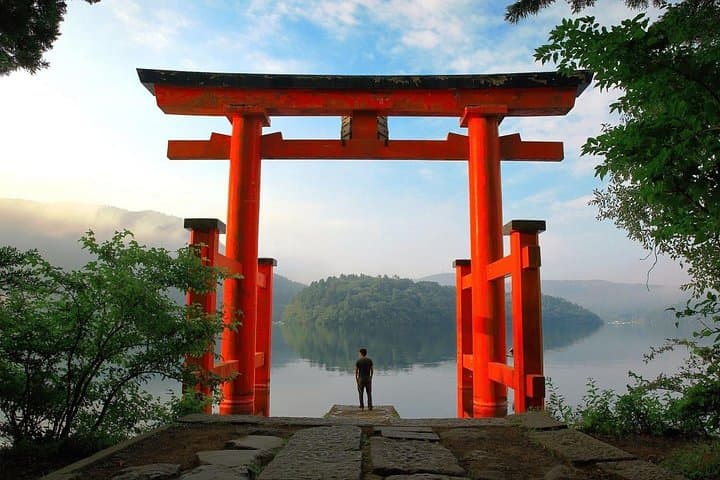
This is an area shaped by volcanic violence and centuries of pilgrimage. Hakone’s cedar-lined approaches and the Heiwa no Torii reflect Shinto ties to mountain spirits, while Oshino Hakkai’s spring-fed ponds are literal outflows of Mount Fuji’s glacial memory. Geology here is visible—lava, fumaroles, and the caldera lakes carved by eruptions—so every viewpoint is both scenic and scientific.
Culturally, expect temple rituals, shrine steps, and snack stalls selling boiled “black eggs” at Owakudani. The ropeway and sightseeing cruise are set up for visitors; accessibility is generally good, but the wind or volcanic activity can change plans.
Practical guidance: this is a long 9–10 hour day—pack layered clothing, a windproof shell, sturdy walking shoes, and a refillable bottle. Check visibility reports if you want Fuji framed clearly; mornings and cooler months often offer the best views. Allow time for crowds at the torii and ropeway; the guide may adjust the sequence based on weather and traffic. Bring small change for local snacks and be prepared for sulfur smells at Owakudani. With clear skies the payoff is immediate: mountain, lake, steam, and the distinct rhythm of volcanic landscape under your feet.
Visibility depends on weather—clear mornings and colder months increase your chances; guides may reroute timing to maximize views but cannot guarantee sightings.
Meals are not included; the itinerary includes stops where you can buy local snacks and meals at your own expense.
The tour indicates wheelchair-accessible transportation and surfaces at key stops, but some viewpoints and paths (especially near volcanic vents or shrine approaches) may be uneven—check with the operator for specific assistance needs.
The guide can adjust the itinerary or skip sites for safety; cancellations for bad weather may occur and refunds are subject to the operator’s all-sales-final policy.
Trevopedia Wonders operates guided outdoor trips and adventures with an emphasis on safety, stewardship, and memorable experiences.

You step from the coach onto a wind-sliced shore and the lake answers with small waves licking the hull—Lake Ashi always seems to be watching. The tour threads together Hakone’s high drama: a pirate ship crossing the glassy lake, an aerial ride on the Hakone Ropeway that lifts you above steaming vents, and the sulfurous breath of Owakudani that marks the earth’s fever.
You step from the coach onto a wind-sliced shore and the lake answers with small waves licking the hull—Lake Ashi always seems to be watching. The tour threads together Hakone’s high drama: a pirate ship crossing the glassy lake, an aerial ride on the Hakone Ropeway that lifts you above steaming vents, and the sulfurous breath of Owakudani that marks the earth’s fever.
This is an area shaped by volcanic violence and centuries of pilgrimage. Hakone’s cedar-lined approaches and the Heiwa no Torii reflect Shinto ties to mountain spirits, while Oshino Hakkai’s spring-fed ponds are literal outflows of Mount Fuji’s glacial memory. Geology here is visible—lava, fumaroles, and the caldera lakes carved by eruptions—so every viewpoint is both scenic and scientific.
Culturally, expect temple rituals, shrine steps, and snack stalls selling boiled “black eggs” at Owakudani. The ropeway and sightseeing cruise are set up for visitors; accessibility is generally good, but the wind or volcanic activity can change plans.
Practical guidance: this is a long 9–10 hour day—pack layered clothing, a windproof shell, sturdy walking shoes, and a refillable bottle. Check visibility reports if you want Fuji framed clearly; mornings and cooler months often offer the best views. Allow time for crowds at the torii and ropeway; the guide may adjust the sequence based on weather and traffic. Bring small change for local snacks and be prepared for sulfur smells at Owakudani. With clear skies the payoff is immediate: mountain, lake, steam, and the distinct rhythm of volcanic landscape under your feet.