THE ADVENTURE COLLECTIVE® · Independent discovery and booking for outdoor travel

A private 10‑hour loop from Tokyo that stitches together Fuji viewpoints, mountain‑filtered springs, and a Hakone lake cruise. Ideal for travelers who want curated stops, local knowledge, and a better chance at clear summit sightings.
A private 10‑hour loop from Tokyo that stitches together Fuji viewpoints, mountain‑filtered springs, and a Hakone lake cruise. Ideal for travelers who want curated stops, local knowledge, and a better chance at clear summit sightings.
The day begins before dawn in Tokyo, when the city’s static hum gives way to the low thrum of a private SUV cutting west. Through the windshield, clouds separate long enough for a black-coned silhouette to appear: Mount Fuji, patient and exacting, holding the horizon like a watchful presence. The guide eases the route, trading highway for quiet prefectural roads that sweep past cedar copses and rice paddies where cranes keep an eye on the reeds.
Verified experiences and guided adventures in the surrounding area.
Operated by Travel Assist Japan LLC · Fujikawaguchiko, Yamanashi
The day begins before dawn in Tokyo, when the city’s static hum gives way to the low thrum of a private SUV cutting west. Through the windshield, clouds separate long enough for a black-coned silhouette to appear: Mount Fuji, patient and exacting, holding the horizon like a watchful presence. The guide eases the route, trading highway for quiet prefectural roads that sweep past cedar copses and rice paddies where cranes keep an eye on the reeds.
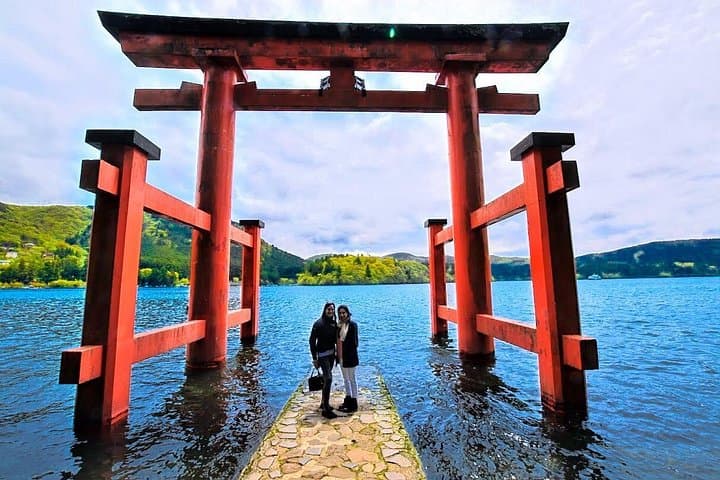
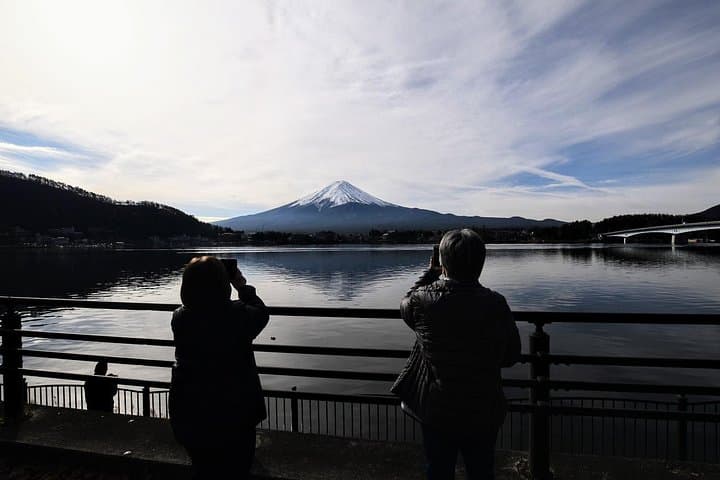
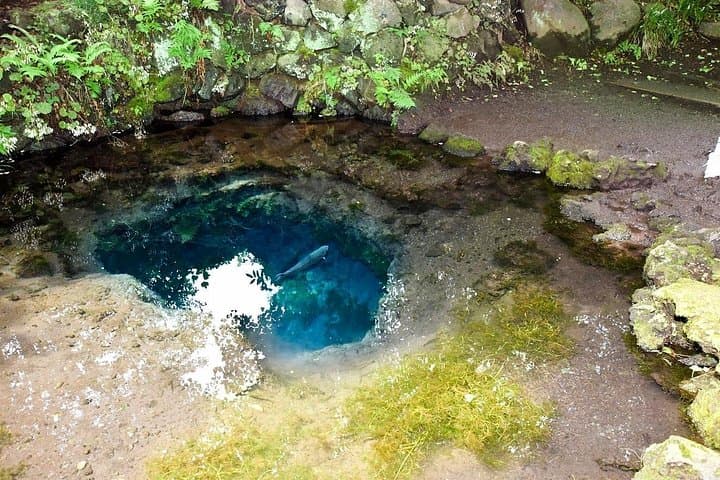
This private, 10-hour circuit covers north-to-south approaches around Fuji and the volcanic highlands of Hakone—giving travelers a deliberate chance to chase clear air and mirror-flat lakes. Stops typically include a lakeside vantage for a clean Fuji reflection, a local spring-fed fountain where lava-filtered water is still drinking-clear, and a cruise across Lake Ashi with the torii of Hakone Shrine punctuating the shore.
Geologically, Fuji is a classic stratovolcano, its layers of hardened lava and ash stacking through repeated eruptions; the last major event was the Hōei eruption of 1707, which blanketed nearby villages in ash. Culturally, the mountain has been both a pilgrimage endpoint and an artistic subject for centuries—shrines and stone markers trace routes where climbers and worshippers once walked, and local guides often point out the Fujisan Hongū Sengen Taisha chapel on the lower flanks.
A practical day like this balances scenic stops with transport: expect a full day of driving and short walks—roughly 200–300 km of mileage depending on your pick-up point in Tokyo and the exact itinerary the guide chooses. The tour is accessible (vehicle and routes accommodate wheelchairs and strollers), but travelers should be able to manage short stairs and uneven paths at viewing spots. Visibility is the wildcard: mornings, late autumn, and winter often yield the clearest views; clouds can hide the peak even on otherwise fine days.
Local insight: the spring water pools (commonly found at Oshino-style villages) are not just photo ops—they’re part of a fragile aquifer sourced from Fuji’s snowmelt; treat them respectfully. The Hakone cruise offers a different temperament: the lake pushes light across the water like a living mirror, and the small ferries make for excellent frame lines in photos.
For planning: wear sturdy walking shoes for short shoreline and shrine approaches, bring layers and a waterproof shell for sudden mountain wind or drizzle, and carry a refillable bottle—the water you can taste on some stops is genuinely potable. Bookings include private transport and guide time; cruises or museum admissions may require extra fees. If you want the 5th Station or longer alpine walks, request that in advance—the itinerary on the day is flexible but bound by road time and weather.
No—visibility depends on weather. The private route improves your chances by approaching from both north and south, but clear views are never guaranteed.
The itinerary usually includes a stop at Lake Ashi for a cruise, but some operators charge an additional admission fee—confirm at booking.
Yes—free pickup is offered for most hotels in Tokyo’s 23 wards; confirm your exact pickup point when you book.
Yes—the vehicle and many stops are wheelchair and stroller accessible, though some viewpoints have steps or uneven ground—advise the supplier of needs in advance.
Some itineraries can include the 5th Station if road and weather conditions allow; request this in advance so the guide can plan the route and timing.
Meals are not included—there are stops where you can buy lunch at local restaurants or convenience shops; bring snacks if you prefer to eat on the road.
Travel Assist Japan LLC operates guided outdoor trips and adventures with an emphasis on safety, stewardship, and memorable experiences.

The day begins before dawn in Tokyo, when the city’s static hum gives way to the low thrum of a private SUV cutting west. Through the windshield, clouds separate long enough for a black-coned silhouette to appear: Mount Fuji, patient and exacting, holding the horizon like a watchful presence. The guide eases the route, trading highway for quiet prefectural roads that sweep past cedar copses and rice paddies where cranes keep an eye on the reeds.
The day begins before dawn in Tokyo, when the city’s static hum gives way to the low thrum of a private SUV cutting west. Through the windshield, clouds separate long enough for a black-coned silhouette to appear: Mount Fuji, patient and exacting, holding the horizon like a watchful presence. The guide eases the route, trading highway for quiet prefectural roads that sweep past cedar copses and rice paddies where cranes keep an eye on the reeds.
This private, 10-hour circuit covers north-to-south approaches around Fuji and the volcanic highlands of Hakone—giving travelers a deliberate chance to chase clear air and mirror-flat lakes. Stops typically include a lakeside vantage for a clean Fuji reflection, a local spring-fed fountain where lava-filtered water is still drinking-clear, and a cruise across Lake Ashi with the torii of Hakone Shrine punctuating the shore.
Geologically, Fuji is a classic stratovolcano, its layers of hardened lava and ash stacking through repeated eruptions; the last major event was the Hōei eruption of 1707, which blanketed nearby villages in ash. Culturally, the mountain has been both a pilgrimage endpoint and an artistic subject for centuries—shrines and stone markers trace routes where climbers and worshippers once walked, and local guides often point out the Fujisan Hongū Sengen Taisha chapel on the lower flanks.
A practical day like this balances scenic stops with transport: expect a full day of driving and short walks—roughly 200–300 km of mileage depending on your pick-up point in Tokyo and the exact itinerary the guide chooses. The tour is accessible (vehicle and routes accommodate wheelchairs and strollers), but travelers should be able to manage short stairs and uneven paths at viewing spots. Visibility is the wildcard: mornings, late autumn, and winter often yield the clearest views; clouds can hide the peak even on otherwise fine days.
Local insight: the spring water pools (commonly found at Oshino-style villages) are not just photo ops—they’re part of a fragile aquifer sourced from Fuji’s snowmelt; treat them respectfully. The Hakone cruise offers a different temperament: the lake pushes light across the water like a living mirror, and the small ferries make for excellent frame lines in photos.
For planning: wear sturdy walking shoes for short shoreline and shrine approaches, bring layers and a waterproof shell for sudden mountain wind or drizzle, and carry a refillable bottle—the water you can taste on some stops is genuinely potable. Bookings include private transport and guide time; cruises or museum admissions may require extra fees. If you want the 5th Station or longer alpine walks, request that in advance—the itinerary on the day is flexible but bound by road time and weather.