THE ADVENTURE COLLECTIVE® · Independent discovery and booking for outdoor travel

A private, full-day escape from Tokyo that pairs panoramic Fuji viewpoints with Hakone’s lakefront shrines, centuries-old teahouses, restorative onsen and a world-class open-air museum. Ideal for travelers who want flexible pacing, cultural context, and unforgettable photo lines to Mount Fuji.
A private, full-day escape from Tokyo that pairs panoramic Fuji viewpoints with Hakone’s lakefront shrines, centuries-old teahouses, restorative onsen and a world-class open-air museum. Ideal for travelers who want flexible pacing, cultural context, and unforgettable photo lines to Mount Fuji.
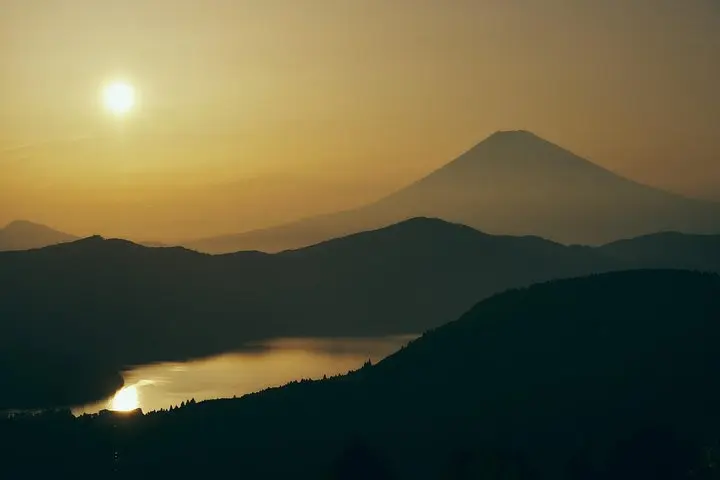
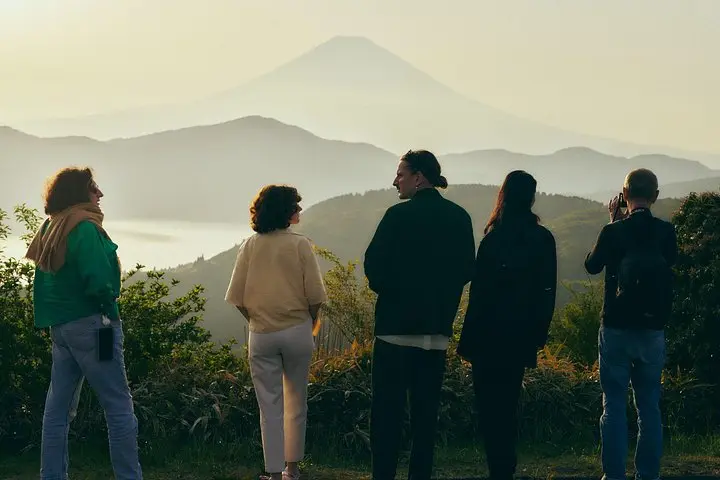
The morning begins before Tokyo has fully woken: a private vehicle threads out of the city and into rising hills, leaving concrete behind for cedars that press close to the road. The driver takes one of the region’s quieter scenic routes and, as the van climbs, the air sharpens and Mount Fuji—when weather permits—suddenly takes the scene, a vast cone that seems to rearrange perspective with every hairpin curve.
Verified experiences and guided adventures in the surrounding area.
Operated by Elie · Hakone, Kanagawa
The morning begins before Tokyo has fully woken: a private vehicle threads out of the city and into rising hills, leaving concrete behind for cedars that press close to the road. The driver takes one of the region’s quieter scenic routes and, as the van climbs, the air sharpens and Mount Fuji—when weather permits—suddenly takes the scene, a vast cone that seems to rearrange perspective with every hairpin curve.
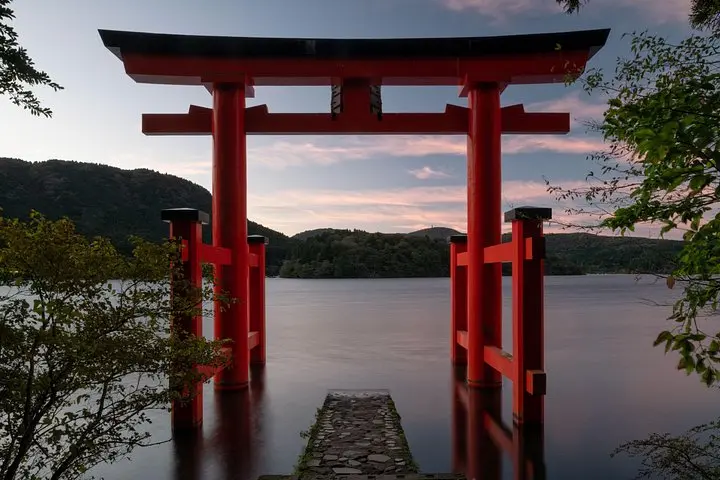
This private day trip stitches together landscapes and culture. In Hakone, the itinerary balances short, easy walks—around Lake Ashi’s edge and the shaded approach to Hakone Shrine—with longer, slower experiences like soaking in an onsen and wandering the Hakone Open-Air Museum’s sculpture gardens. The shrine itself dates back to the Nara period, founded in 757; its vermilion torii at the water’s edge frames Fuji on clear days and has long marked this route of pilgrimage and travel. Geologically, Hakone is a caldera landscape: volcanic ridges and crater lakes have shaped the winding roads that provide exceptional, variable views of Fuji, the lake, and even Sagami Bay on a clear day.
Cultural touches arrive in modest detail. Amazake Chaya, a 400-year-old teahouse tucked in cedar forest, is not a staged attraction but a lingering of Edo-period travel culture—wood-beamed rooms, hearth-darkened rafters and bowls of warm amazake handed to chilled travelers. The Pola and Open-Air museums offer contrasts: contemporary sculpture and Impressionist canvases sit among mossy lawns and beech trees, a quiet modernism that suits the softer side of the mountains.
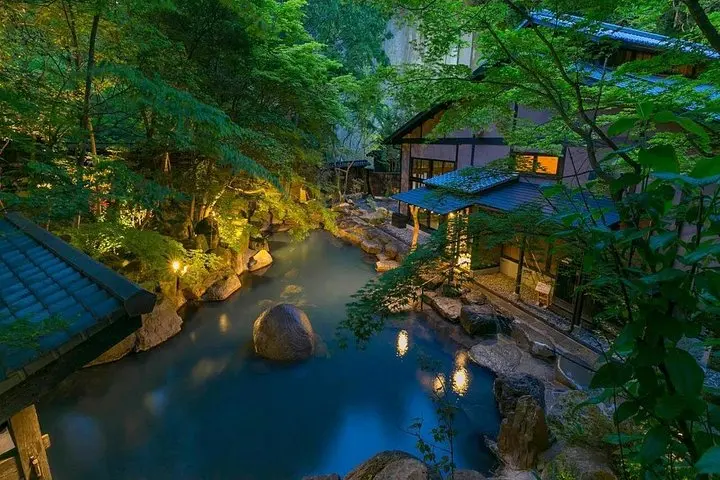
Practical considerations matter here as much as scenery. Expect a 9–10 hour day with hotel pickup from Tokyo’s 23 wards; the tour is private, so timing and focus are yours. Walks are short and mostly flat but include stepped approaches at shrines and exhibition grounds—good walking shoes matter. Onsen choices vary by facility but observe Japanese etiquette: shower before entering baths, no swimsuits, and respect gender-separated areas. Bring a small towel, but note many ryokans supply towels and toiletries. Carry some cash for shrine offerings and local snacks; card acceptance can be limited.
Timing is everything: mornings and late afternoons produce the clearest Fuji views and the warmest light for photographs, while midday is best for museum visits. If cloud or rain arrives, the tour adapts—indoor museums and teahouses become the focus. For a first trip to the Fuji-Hakone arc, this private loop is efficient: art, spring water, centuries of road culture, and a chance to watch the mountain change its mood across a single day.
The tour lasts about 9–10 hours with pickup and drop-off available anywhere inside Tokyo’s 23 wards—include your exact pickup point when booking.
Views depend on weather; guides will stop at several panoramic points to maximize chances, but visibility cannot be guaranteed.
Onsen visits are included but flexible; public baths are gender-separated and require showering before entering—swimsuits aren’t permitted.
Admission to the Hakone Open-Air Museum and Pola Museum is typically not included; check with the operator for current entry fees.
The operator notes wheelchair-accessible transportation and many accessible surfaces, but some shrine approaches and museum areas have steps—notify the guide about mobility needs in advance.
Guides are available in English, Japanese and French according to the tour inclusions.
Elie operates guided outdoor trips and adventures with an emphasis on safety, stewardship, and memorable experiences.
The morning begins before Tokyo has fully woken: a private vehicle threads out of the city and into rising hills, leaving concrete behind for cedars that press close to the road. The driver takes one of the region’s quieter scenic routes and, as the van climbs, the air sharpens and Mount Fuji—when weather permits—suddenly takes the scene, a vast cone that seems to rearrange perspective with every hairpin curve.
The morning begins before Tokyo has fully woken: a private vehicle threads out of the city and into rising hills, leaving concrete behind for cedars that press close to the road. The driver takes one of the region’s quieter scenic routes and, as the van climbs, the air sharpens and Mount Fuji—when weather permits—suddenly takes the scene, a vast cone that seems to rearrange perspective with every hairpin curve.
This private day trip stitches together landscapes and culture. In Hakone, the itinerary balances short, easy walks—around Lake Ashi’s edge and the shaded approach to Hakone Shrine—with longer, slower experiences like soaking in an onsen and wandering the Hakone Open-Air Museum’s sculpture gardens. The shrine itself dates back to the Nara period, founded in 757; its vermilion torii at the water’s edge frames Fuji on clear days and has long marked this route of pilgrimage and travel. Geologically, Hakone is a caldera landscape: volcanic ridges and crater lakes have shaped the winding roads that provide exceptional, variable views of Fuji, the lake, and even Sagami Bay on a clear day.
Cultural touches arrive in modest detail. Amazake Chaya, a 400-year-old teahouse tucked in cedar forest, is not a staged attraction but a lingering of Edo-period travel culture—wood-beamed rooms, hearth-darkened rafters and bowls of warm amazake handed to chilled travelers. The Pola and Open-Air museums offer contrasts: contemporary sculpture and Impressionist canvases sit among mossy lawns and beech trees, a quiet modernism that suits the softer side of the mountains.
Practical considerations matter here as much as scenery. Expect a 9–10 hour day with hotel pickup from Tokyo’s 23 wards; the tour is private, so timing and focus are yours. Walks are short and mostly flat but include stepped approaches at shrines and exhibition grounds—good walking shoes matter. Onsen choices vary by facility but observe Japanese etiquette: shower before entering baths, no swimsuits, and respect gender-separated areas. Bring a small towel, but note many ryokans supply towels and toiletries. Carry some cash for shrine offerings and local snacks; card acceptance can be limited.
Timing is everything: mornings and late afternoons produce the clearest Fuji views and the warmest light for photographs, while midday is best for museum visits. If cloud or rain arrives, the tour adapts—indoor museums and teahouses become the focus. For a first trip to the Fuji-Hakone arc, this private loop is efficient: art, spring water, centuries of road culture, and a chance to watch the mountain change its mood across a single day.