THE ADVENTURE COLLECTIVE® · Independent discovery and booking for outdoor travel

Capture Mount Fuji from postcard-perfect spots in one long day: climb to Chureito Pagoda, wander Oshino Hakkai’s crystal ponds, and relax at Oishi Park along Lake Kawaguchi. This guided loop packs iconic photo stops, cultural touches, and easy walks into a 9–10 hour outing from Tokyo.
Capture Mount Fuji from postcard-perfect spots in one long day: climb to Chureito Pagoda, wander Oshino Hakkai’s crystal ponds, and relax at Oishi Park along Lake Kawaguchi. This guided loop packs iconic photo stops, cultural touches, and easy walks into a 9–10 hour outing from Tokyo.
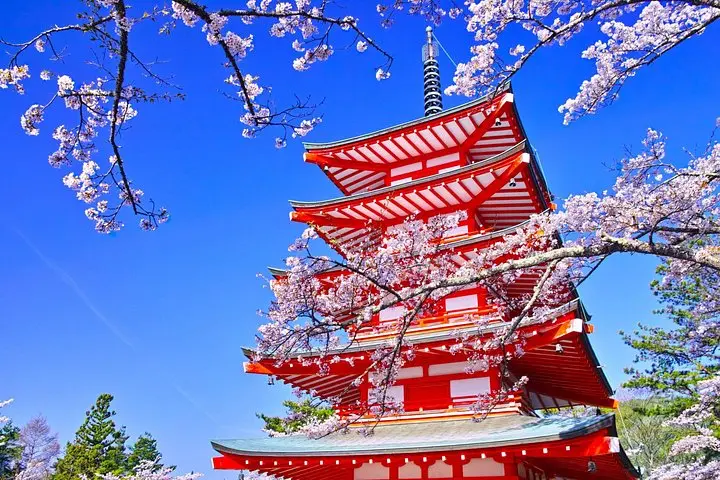
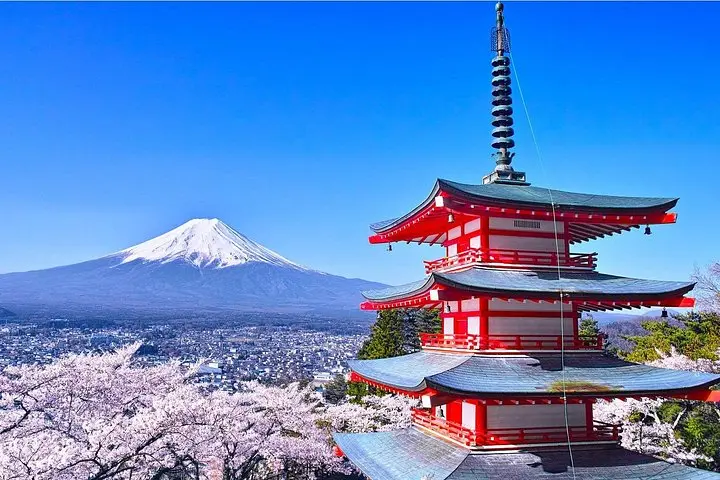
You step off the coach into a thin, cold air and the mountain takes charge—Mount Fuji stands like an ordered giant, its cone cleaving the sky while the red pagoda frames the view like a deliberate photograph.
Verified experiences and guided adventures in the surrounding area.
Operated by Trevopedia Wonders · Fujiyoshida, Yamanashi
You step off the coach into a thin, cold air and the mountain takes charge—Mount Fuji stands like an ordered giant, its cone cleaving the sky while the red pagoda frames the view like a deliberate photograph.
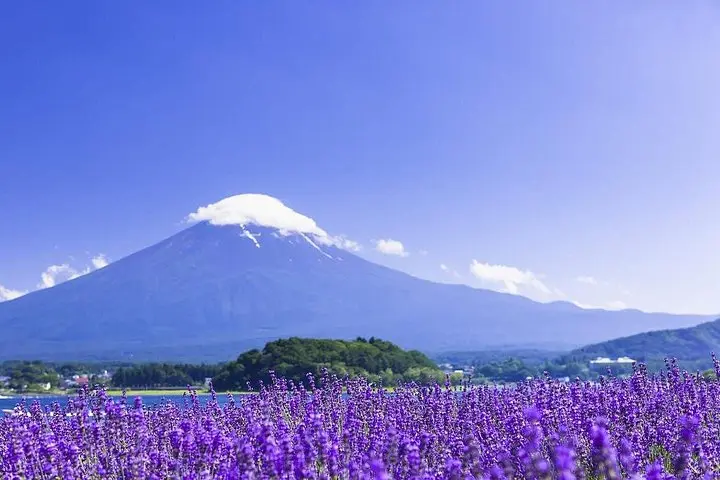
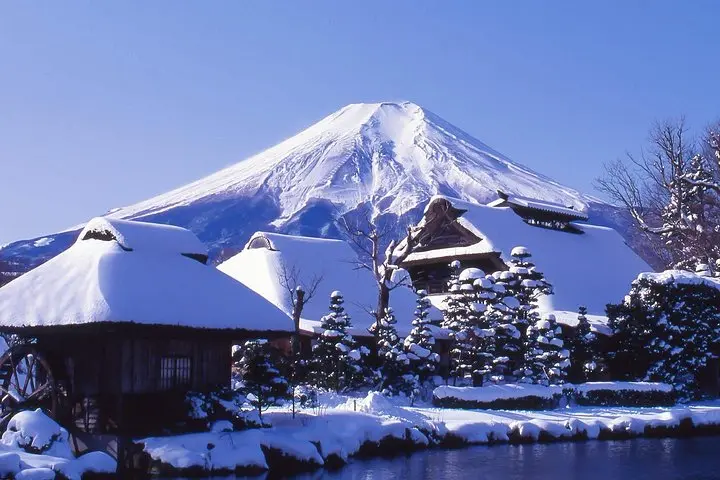
This day trip strings together Fuji’s most photographed viewpoints: the Chureito Pagoda at Arakurayama Sengen Park, retro Hikawa Clock Shop street, the crystal ponds of Oshino Hakkai, and the floral headlands of Oishi Park by Lake Kawaguchi. The pagoda, built in 1963 as a peace memorial, perches above a 400-step stairway that rewards effort with a classic Fuji composition. Geologically, the region is the result of volcanic forces and glacial polishing—snowmelt threads through limestone and volcanic ash to feed the clear springs at Oshino Hakkai, a site protected as a natural monument.
Culturally you move between Shinto shrines and Showa-era storefronts; vendors sell yokan, dango and hot coffee to steady hands on photo shoots. Expect well-kept paths, short walks, and moments of quiet by the ponds where trout and waterfowl dart.
Practical guidance: it’s a long 9–10 hour outing with significant transit time, so bring layers for wind and sun, a small tripod for low-light shots, comfortable shoes for stairs and uneven boardwalks, and some cash for museum fees or snacks. Aim for early morning light at Chureito or late afternoon at Oishi Park for the best reflections. Respect shrine rules, stick to marked paths to protect springs, and be prepared for crowds during cherry blossom and autumn color windows.
The tour runs approximately 9–10 hours and departs from central Tokyo meeting points (Tokyo Station or Shinjuku), with round-trip transfers included.
Yes—reaching the prime Chureito Pagoda viewpoint requires climbing about 400 steps, though the rest of the stops are short, flat walks or boardwalks.
General park access and viewpoints are free, but small private viewing areas or museums (e.g., Oshino Hakkai Springs Museum) may charge separate fees not always included.
Early morning at Arakurayama or late afternoon at Oishi Park give the best light; cherry blossom season (late March–April) and autumn color (October–November) are peak times for dramatic shots.
Trevopedia Wonders operates guided outdoor trips and adventures with an emphasis on safety, stewardship, and memorable experiences.
You step off the coach into a thin, cold air and the mountain takes charge—Mount Fuji stands like an ordered giant, its cone cleaving the sky while the red pagoda frames the view like a deliberate photograph.
You step off the coach into a thin, cold air and the mountain takes charge—Mount Fuji stands like an ordered giant, its cone cleaving the sky while the red pagoda frames the view like a deliberate photograph.
This day trip strings together Fuji’s most photographed viewpoints: the Chureito Pagoda at Arakurayama Sengen Park, retro Hikawa Clock Shop street, the crystal ponds of Oshino Hakkai, and the floral headlands of Oishi Park by Lake Kawaguchi. The pagoda, built in 1963 as a peace memorial, perches above a 400-step stairway that rewards effort with a classic Fuji composition. Geologically, the region is the result of volcanic forces and glacial polishing—snowmelt threads through limestone and volcanic ash to feed the clear springs at Oshino Hakkai, a site protected as a natural monument.
Culturally you move between Shinto shrines and Showa-era storefronts; vendors sell yokan, dango and hot coffee to steady hands on photo shoots. Expect well-kept paths, short walks, and moments of quiet by the ponds where trout and waterfowl dart.
Practical guidance: it’s a long 9–10 hour outing with significant transit time, so bring layers for wind and sun, a small tripod for low-light shots, comfortable shoes for stairs and uneven boardwalks, and some cash for museum fees or snacks. Aim for early morning light at Chureito or late afternoon at Oishi Park for the best reflections. Respect shrine rules, stick to marked paths to protect springs, and be prepared for crowds during cherry blossom and autumn color windows.