THE ADVENTURE COLLECTIVE® · Independent discovery and booking for outdoor travel

See Mt. Fuji from classic vantage points in one full day: lakeside reflections at Kawaguchiko, the crystal ponds of Oshino Hakkai, and the red Chureito Pagoda viewpoint. This accessible tour pairs quick walks with cultural stops for a concentrated Fuji experience.
See Mt. Fuji from classic vantage points in one full day: lakeside reflections at Kawaguchiko, the crystal ponds of Oshino Hakkai, and the red Chureito Pagoda viewpoint. This accessible tour pairs quick walks with cultural stops for a concentrated Fuji experience.
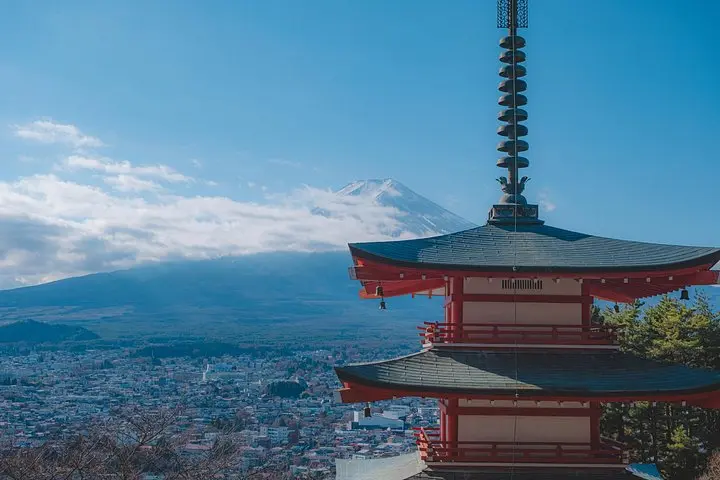
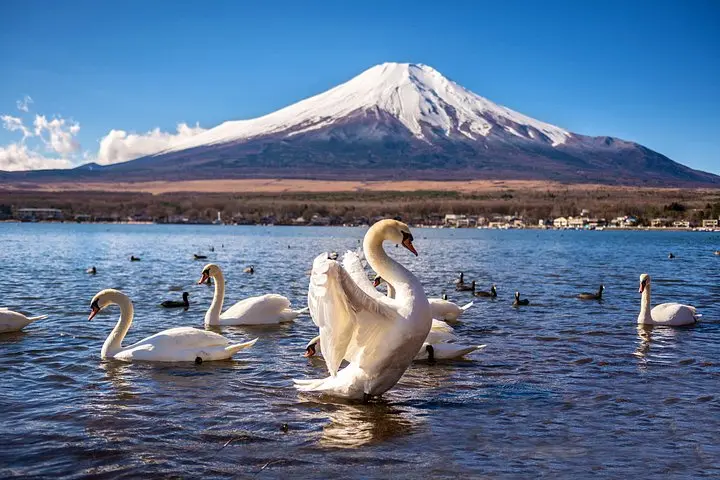
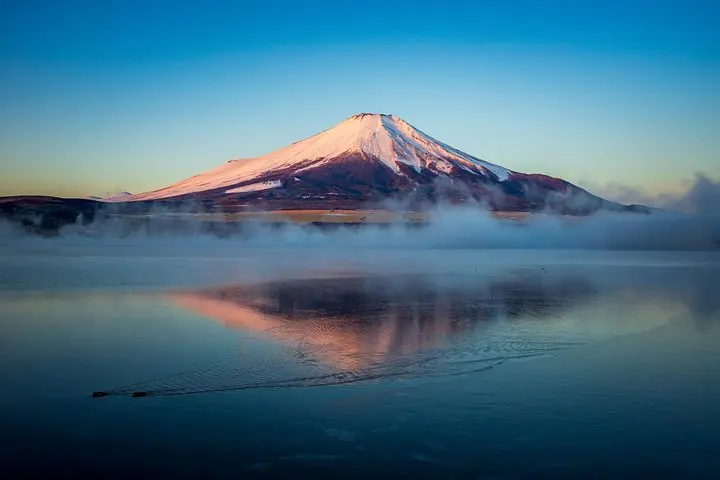
Morning light pulls the ridge-line of Mt. Fuji into sharp relief as a tour bus cuts through low fog toward Kawaguchiko. Passengers step out onto lakeshores where the mountain’s reflection trembles on glassy water and, on clear days, creates the classic mirrored silhouette photographers chase. The route stitches together wide views at Oishi Park, the quiet ponds of Oshino Hakkai, a retro convenience-store shot under Fuji, and the climb of stone steps to Chureito Pagoda.
Verified experiences and guided adventures in the surrounding area.
Operated by Wins International Travel Group · Fujiyoshida, Yamanashi
Morning light pulls the ridge-line of Mt. Fuji into sharp relief as a tour bus cuts through low fog toward Kawaguchiko. Passengers step out onto lakeshores where the mountain’s reflection trembles on glassy water and, on clear days, creates the classic mirrored silhouette photographers chase. The route stitches together wide views at Oishi Park, the quiet ponds of Oshino Hakkai, a retro convenience-store shot under Fuji, and the climb of stone steps to Chureito Pagoda.
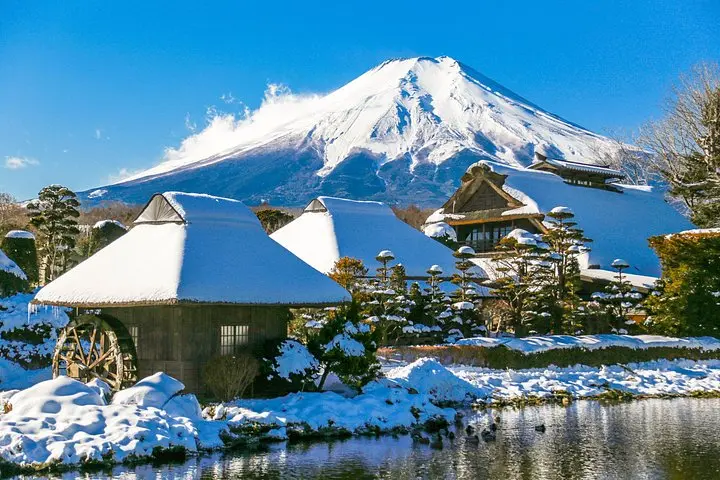
This loop threads natural and cultural history: Chureito Pagoda (a 1963 peace memorial) sits above Fujiyoshida, reached by roughly 398 stone steps past lanterns and old cedar. Oshino Hakkai’s spring-fed ponds were formed from melted snow, filtering through Mt. Fuji’s volcanic layers to produce unusually clear water that supports koi and waterfowl. The region’s volcanic geology—lava flows and layered ash—shapes the lakes and fertile valley farms that supply local specialties like hoto noodles and fresh trout.
Practical guidance: expect an 8–10 hour day with minimal hiking but multiple short walks and one stair climb; bring layers, a refillable water bottle, and shoes with good grip for wet paths. Photography windows favor early morning or late afternoon when Fuji’s outline is sharp and crowds are thinner. Food options appear at market stalls and small cafés in Oishi Park and Oshino Hakkai—carry cash for some vendors. Weather can change quickly; if visibility is poor, operators commonly alter stops. Respect shrine etiquette at Arakura Fuji Sengen and stay on marked paths to protect fragile shoreline vegetation. With straightforward logistics and dramatic viewpoints, this tour offers a compact, accessible encounter with Mt. Fuji’s physical presence and local mountain culture.
The full-day tour runs about 8–10 hours with multiple short stops; walking segments are brief, though you’ll climb about 398 steps to Chureito Pagoda.
Yes—the tour is rated physically easy, but the pagoda steps may be challenging for those with limited mobility; benches and short resting spots are available at several locations.
Operators often adjust the itinerary if visibility is poor; some photo stops may be shortened or swapped for cultural visits—refund/cancellation policies vary by provider.
Meals aren’t typically included; you’ll find regional options like hoto noodles, grilled trout, and seasonal sweets at Oshino Hakkai and market stalls in Oishi Park.
Wins International Travel Group operates guided outdoor trips and adventures with an emphasis on safety, stewardship, and memorable experiences.
Morning light pulls the ridge-line of Mt. Fuji into sharp relief as a tour bus cuts through low fog toward Kawaguchiko. Passengers step out onto lakeshores where the mountain’s reflection trembles on glassy water and, on clear days, creates the classic mirrored silhouette photographers chase. The route stitches together wide views at Oishi Park, the quiet ponds of Oshino Hakkai, a retro convenience-store shot under Fuji, and the climb of stone steps to Chureito Pagoda.
Morning light pulls the ridge-line of Mt. Fuji into sharp relief as a tour bus cuts through low fog toward Kawaguchiko. Passengers step out onto lakeshores where the mountain’s reflection trembles on glassy water and, on clear days, creates the classic mirrored silhouette photographers chase. The route stitches together wide views at Oishi Park, the quiet ponds of Oshino Hakkai, a retro convenience-store shot under Fuji, and the climb of stone steps to Chureito Pagoda.
This loop threads natural and cultural history: Chureito Pagoda (a 1963 peace memorial) sits above Fujiyoshida, reached by roughly 398 stone steps past lanterns and old cedar. Oshino Hakkai’s spring-fed ponds were formed from melted snow, filtering through Mt. Fuji’s volcanic layers to produce unusually clear water that supports koi and waterfowl. The region’s volcanic geology—lava flows and layered ash—shapes the lakes and fertile valley farms that supply local specialties like hoto noodles and fresh trout.
Practical guidance: expect an 8–10 hour day with minimal hiking but multiple short walks and one stair climb; bring layers, a refillable water bottle, and shoes with good grip for wet paths. Photography windows favor early morning or late afternoon when Fuji’s outline is sharp and crowds are thinner. Food options appear at market stalls and small cafés in Oishi Park and Oshino Hakkai—carry cash for some vendors. Weather can change quickly; if visibility is poor, operators commonly alter stops. Respect shrine etiquette at Arakura Fuji Sengen and stay on marked paths to protect fragile shoreline vegetation. With straightforward logistics and dramatic viewpoints, this tour offers a compact, accessible encounter with Mt. Fuji’s physical presence and local mountain culture.