THE ADVENTURE COLLECTIVE® · Independent discovery and booking for outdoor travel

Spend a full day beyond Tokyo’s city limits exploring Shizuoka’s tea terraces, picking greenhouse strawberries, and visiting Fujisan Hongū Sengen Taisha. This small-group tour blends hands-on farm experiences with cultural insights and dramatic Mt. Fuji views.
Spend a full day beyond Tokyo’s city limits exploring Shizuoka’s tea terraces, picking greenhouse strawberries, and visiting Fujisan Hongū Sengen Taisha. This small-group tour blends hands-on farm experiences with cultural insights and dramatic Mt. Fuji views.
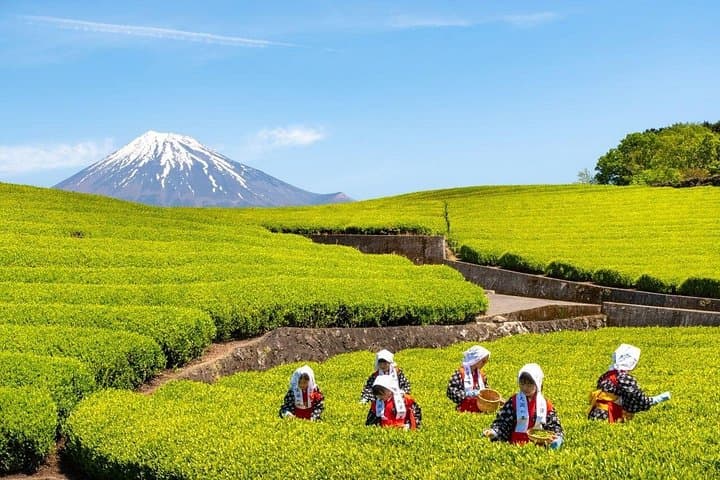
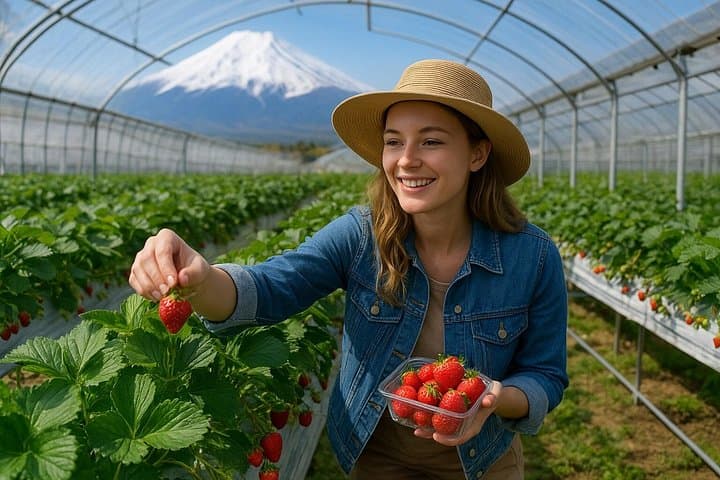
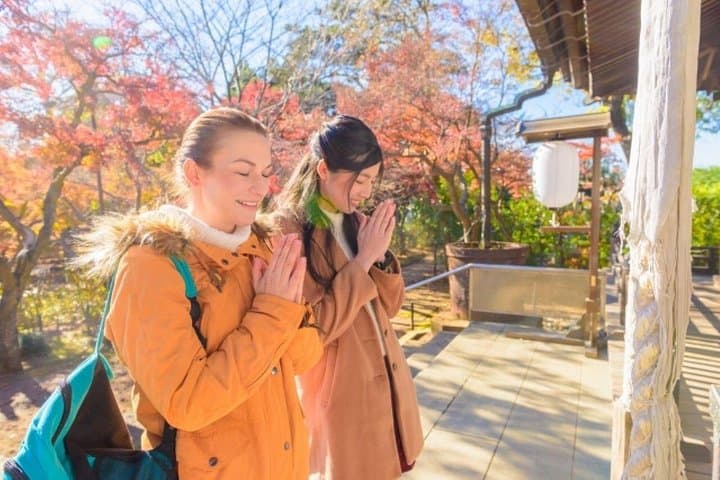
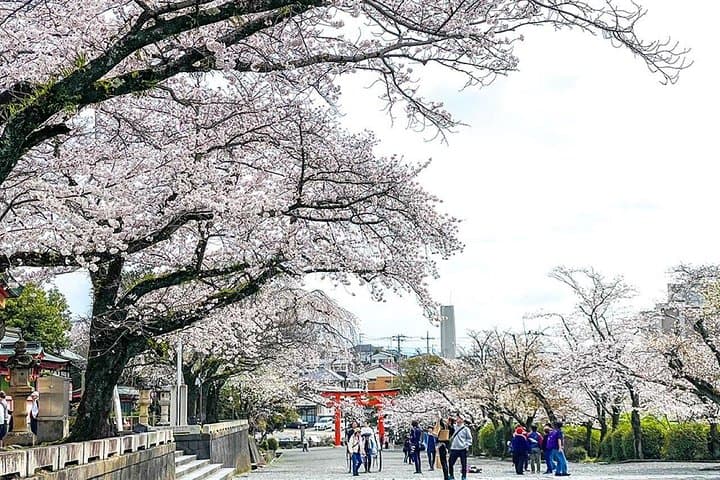
A mist-thin morning lifts as the coach threads rice paddies and citrus orchards toward Mt. Fuji, the mountain refusing to be ignored even when clouds try. Guests step into a sun-warmed tea field where perfectly clipped rows point like guide lines toward the volcano; the air tastes faintly of green tea and soil. Later, a warm greenhouse hums with the soft urgency of strawberry season — thirty minutes of hands-on picking and tasting that contrasts with the hush around Fujisan Hongū Sengen Taisha, where cedar trunks and spring-fed ponds slow the pace.
Verified experiences and guided adventures in the surrounding area.
Operated by Odakyu Fuji Tour · Fujinomiya, Shizuoka
A mist-thin morning lifts as the coach threads rice paddies and citrus orchards toward Mt. Fuji, the mountain refusing to be ignored even when clouds try. Guests step into a sun-warmed tea field where perfectly clipped rows point like guide lines toward the volcano; the air tastes faintly of green tea and soil. Later, a warm greenhouse hums with the soft urgency of strawberry season — thirty minutes of hands-on picking and tasting that contrasts with the hush around Fujisan Hongū Sengen Taisha, where cedar trunks and spring-fed ponds slow the pace.
Shizuoka’s tea culture has been shaped by volcanic soils and centuries of craft; farmers here still teach leaf selection and the little ritual of fresh-brew tasting. Fujisan Hongū Sengen Taisha is the ancient spiritual anchor for local Fuji worship, its precincts reflecting Edo-era rebuilding and the mountain’s role in local life. Geologically, Fuji’s cone is young and dramatic, a constant visual metronome for the region’s weather and light.
Practically, this is an accessible day: light walking on uneven farm rows, a greenhouse visit, and shrine grounds with stone paths. Visibility of Fuji is weather-dependent — clear mornings after cold fronts are best. Wear sturdy shoes for muddy tea terraces, bring layered clothing (it can be several degrees colder near the mountain), and carry a camera with a spare battery: composition is everywhere. Note that some farm activities run on a seasonal schedule and small groups mean more time with local farmers; arrive on time and keep expectations realistic if the peak hides behind cloud.
No — visibility depends on weather. Clear mornings after cold fronts offer the best chance; the operator cannot refund for poor visibility.
Lunch is not included; the itinerary includes tasting sessions (tea, tea-leaf tempura) and 30 minutes of all-you-can-eat strawberries in season.
Yes; the tour is rated easy with short walks, but it’s not recommended for travelers with serious back, heart, or pregnancy-related restrictions.
Comfortable trousers and closed-toe shoes that can get slightly dirty are recommended; farmers may ask guests to wear a happi coat for photos.
Odakyu Fuji Tour operates guided outdoor trips and adventures with an emphasis on safety, stewardship, and memorable experiences.
A mist-thin morning lifts as the coach threads rice paddies and citrus orchards toward Mt. Fuji, the mountain refusing to be ignored even when clouds try. Guests step into a sun-warmed tea field where perfectly clipped rows point like guide lines toward the volcano; the air tastes faintly of green tea and soil. Later, a warm greenhouse hums with the soft urgency of strawberry season — thirty minutes of hands-on picking and tasting that contrasts with the hush around Fujisan Hongū Sengen Taisha, where cedar trunks and spring-fed ponds slow the pace.
A mist-thin morning lifts as the coach threads rice paddies and citrus orchards toward Mt. Fuji, the mountain refusing to be ignored even when clouds try. Guests step into a sun-warmed tea field where perfectly clipped rows point like guide lines toward the volcano; the air tastes faintly of green tea and soil. Later, a warm greenhouse hums with the soft urgency of strawberry season — thirty minutes of hands-on picking and tasting that contrasts with the hush around Fujisan Hongū Sengen Taisha, where cedar trunks and spring-fed ponds slow the pace.
Shizuoka’s tea culture has been shaped by volcanic soils and centuries of craft; farmers here still teach leaf selection and the little ritual of fresh-brew tasting. Fujisan Hongū Sengen Taisha is the ancient spiritual anchor for local Fuji worship, its precincts reflecting Edo-era rebuilding and the mountain’s role in local life. Geologically, Fuji’s cone is young and dramatic, a constant visual metronome for the region’s weather and light.
Practically, this is an accessible day: light walking on uneven farm rows, a greenhouse visit, and shrine grounds with stone paths. Visibility of Fuji is weather-dependent — clear mornings after cold fronts are best. Wear sturdy shoes for muddy tea terraces, bring layered clothing (it can be several degrees colder near the mountain), and carry a camera with a spare battery: composition is everywhere. Note that some farm activities run on a seasonal schedule and small groups mean more time with local farmers; arrive on time and keep expectations realistic if the peak hides behind cloud.