THE ADVENTURE COLLECTIVE® · Independent discovery and booking for outdoor travel

Take a full-day, self-guided loop around Kawaguchiko to capture Mount Fuji from pagoda hills, spring-fed ponds and lakeside roads. This accessible tour blends short walks, scenic drives and cultural stops for photographers and casual explorers alike.
Take a full-day, self-guided loop around Kawaguchiko to capture Mount Fuji from pagoda hills, spring-fed ponds and lakeside roads. This accessible tour blends short walks, scenic drives and cultural stops for photographers and casual explorers alike.
A pale morning breaks over the lakeshore and Mount Fuji looms like a slow-moving island on the horizon — the tour begins on the tidy streets of Kawaguchiko, where commuters give way to tripods and shutter clicks. Travelers move between water, shrine, and pagoda: climb 397 steps at Arakurayama Sengen Park for the classic Chureito Pagoda frame, stroll the calm lanes of Ladder Town for a street-shot with Fuji at the vanishing point, then taste crystal-clear spring water at Oshino Hakkai.
Verified experiences and guided adventures in the surrounding area.
Operated by Trevopedia Wonders · Fujikawaguchiko, Yamanashi Prefecture
A pale morning breaks over the lakeshore and Mount Fuji looms like a slow-moving island on the horizon — the tour begins on the tidy streets of Kawaguchiko, where commuters give way to tripods and shutter clicks. Travelers move between water, shrine, and pagoda: climb 397 steps at Arakurayama Sengen Park for the classic Chureito Pagoda frame, stroll the calm lanes of Ladder Town for a street-shot with Fuji at the vanishing point, then taste crystal-clear spring water at Oshino Hakkai.
This loop of vistas is as much cultural as scenic. Mount Fuji’s profile is the product of stratified volcanic eruptions over tens of thousands of years and has guided pilgrimage routes, woodblock prints and local Shinto shrines for centuries. Kawaguchiko developed as an access point to the mountain: lakeshore promenades, seasonal gardens and lakeside parks were laid out to showcase the mountain’s changing face.
Expect a day paced for photography and short walks rather than sustained hiking: roughly 9–10 hours including transfers and a lakeshore drive. Weather and visibility control the show — Fuji can be concealed by heat haze in summer or revealed in crystalline winter air. Bring layered clothing, a reliable camera with a telephoto option, and footwear suitable for paved steps and village streets. Hydrate between photo stops; sun and wind off the lake can be deceptively draining.
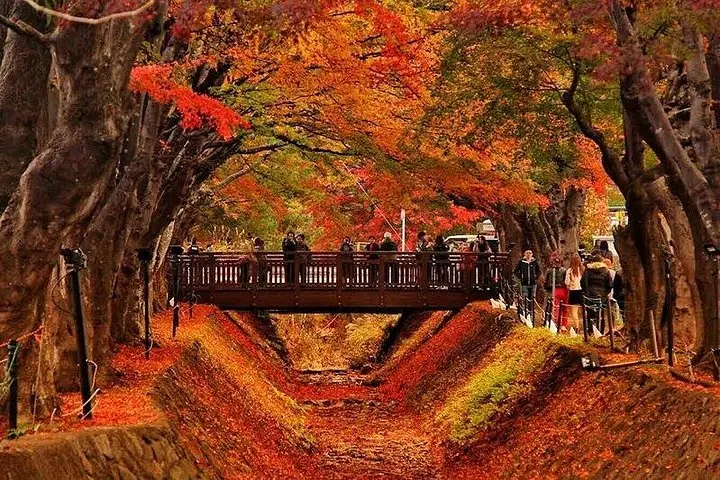
Plan for early light if you want reflections in Lake Kawaguchi, and reserve flexibility — the operator may swap Oishi Park and the Maple Corridor to match seasonal color and visibility.
The experience runs about 9–10 hours and includes guided commentary, round-trip transfers from meeting points, and lunch; specific stops may vary by season.
The tour is wheelchair-accessible and stroller-friendly for many areas, but some viewpoints (like the Chureito Pagoda) require climbing stairs and may not be accessible.
Late autumn and winter typically offer the clearest views due to cooler, drier air; early morning also improves chances of unobstructed vistas year-round.
Yes — short, frequent stops are designed for photography; bring secure straps and protect gear from lake spray and crowds.
Trevopedia Wonders operates guided outdoor trips and adventures with an emphasis on safety, stewardship, and memorable experiences.
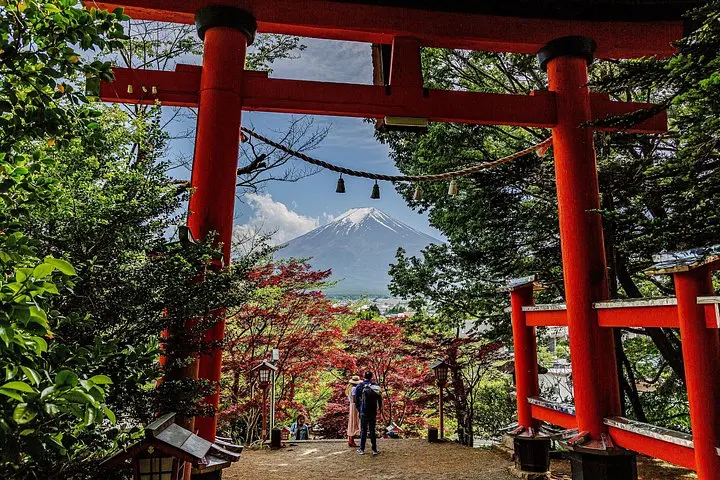
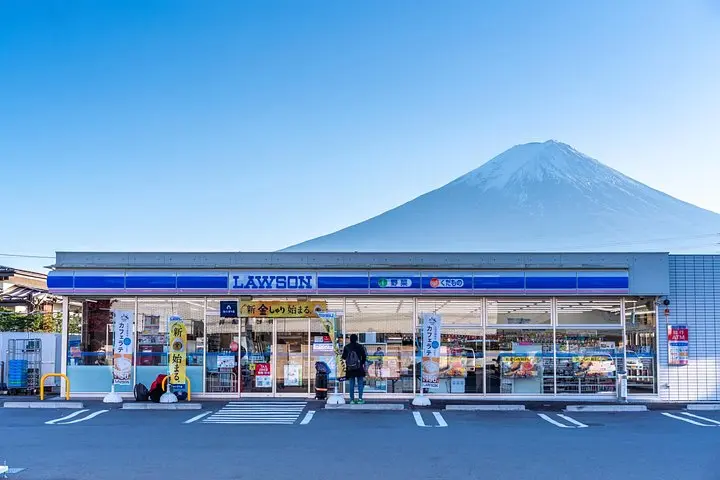
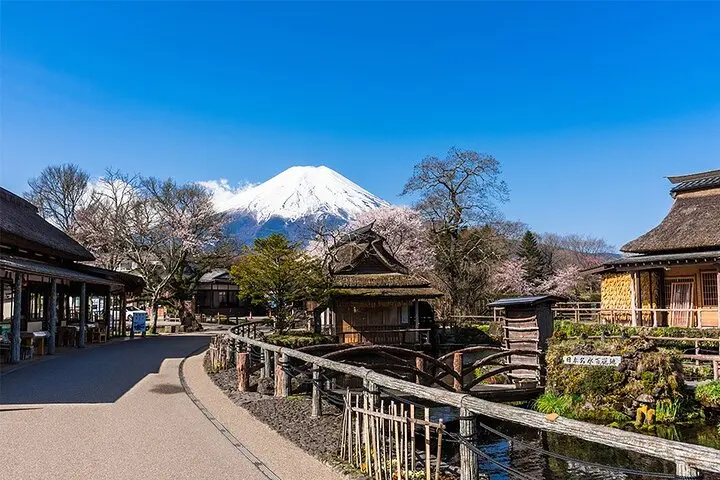
A pale morning breaks over the lakeshore and Mount Fuji looms like a slow-moving island on the horizon — the tour begins on the tidy streets of Kawaguchiko, where commuters give way to tripods and shutter clicks. Travelers move between water, shrine, and pagoda: climb 397 steps at Arakurayama Sengen Park for the classic Chureito Pagoda frame, stroll the calm lanes of Ladder Town for a street-shot with Fuji at the vanishing point, then taste crystal-clear spring water at Oshino Hakkai.
A pale morning breaks over the lakeshore and Mount Fuji looms like a slow-moving island on the horizon — the tour begins on the tidy streets of Kawaguchiko, where commuters give way to tripods and shutter clicks. Travelers move between water, shrine, and pagoda: climb 397 steps at Arakurayama Sengen Park for the classic Chureito Pagoda frame, stroll the calm lanes of Ladder Town for a street-shot with Fuji at the vanishing point, then taste crystal-clear spring water at Oshino Hakkai.
This loop of vistas is as much cultural as scenic. Mount Fuji’s profile is the product of stratified volcanic eruptions over tens of thousands of years and has guided pilgrimage routes, woodblock prints and local Shinto shrines for centuries. Kawaguchiko developed as an access point to the mountain: lakeshore promenades, seasonal gardens and lakeside parks were laid out to showcase the mountain’s changing face.
Expect a day paced for photography and short walks rather than sustained hiking: roughly 9–10 hours including transfers and a lakeshore drive. Weather and visibility control the show — Fuji can be concealed by heat haze in summer or revealed in crystalline winter air. Bring layered clothing, a reliable camera with a telephoto option, and footwear suitable for paved steps and village streets. Hydrate between photo stops; sun and wind off the lake can be deceptively draining.
Plan for early light if you want reflections in Lake Kawaguchi, and reserve flexibility — the operator may swap Oishi Park and the Maple Corridor to match seasonal color and visibility.