THE ADVENTURE COLLECTIVE® · Independent discovery and booking for outdoor travel

Cycle the quiet roads beneath Mt. Iwate on an e‑bike tour that pairs panoramic views with visits to working farms and local food. Expect a five‑hour loop of cultural stops, scenic lunches, and easy climbs aided by electric assist.
Cycle the quiet roads beneath Mt. Iwate on an e‑bike tour that pairs panoramic views with visits to working farms and local food. Expect a five‑hour loop of cultural stops, scenic lunches, and easy climbs aided by electric assist.
Morning light skims the flanks of Mt. Iwate as riders set off from Shizukuishi, tires whispering on quiet country roads. The mountain keeps watch, its ridgelines pushing the sky while rice fields and orchards frame a route that alternates between open views and shaded lanes.
Verified experiences and guided adventures in the surrounding area.
Operated by Northern Japan Horizons · Morioka, Iwate Prefecture
Morning light skims the flanks of Mt. Iwate as riders set off from Shizukuishi, tires whispering on quiet country roads. The mountain keeps watch, its ridgelines pushing the sky while rice fields and orchards frame a route that alternates between open views and shaded lanes.
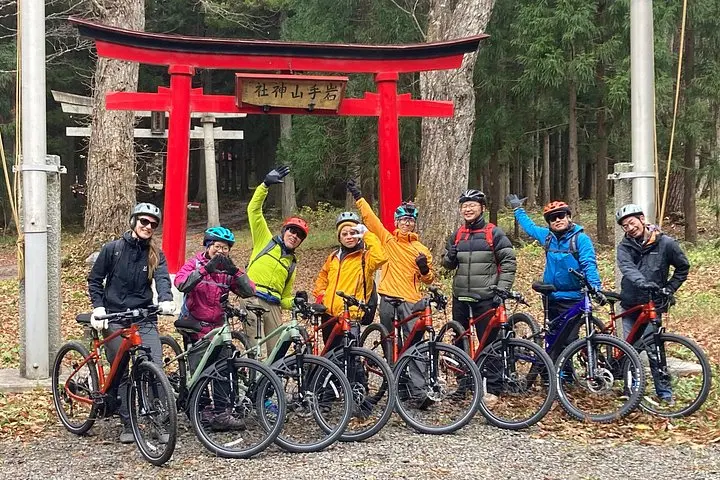
Geology here is honest: Mt. Iwate is a stratovolcano whose ancient eruptions laid the volcanic soils that feed the farms you pass. Centuries of farming and shrine culture have shaped small villages and the local calendar; roadside markers and Iwate-san Shrine offer glimpses into regional belief and the community’s link to the mountain.
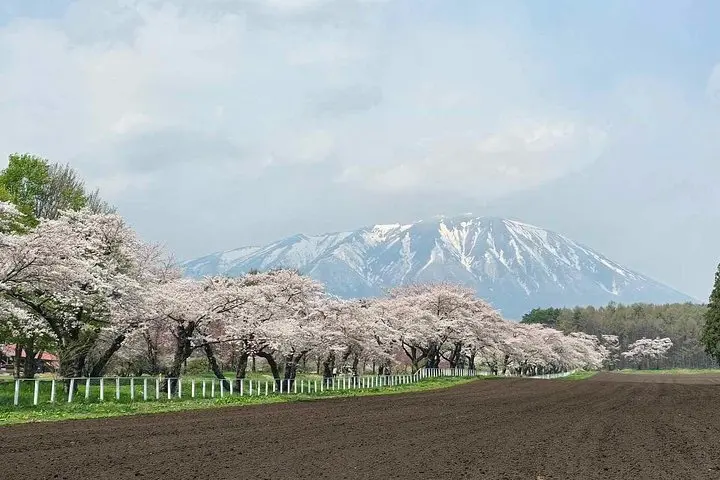
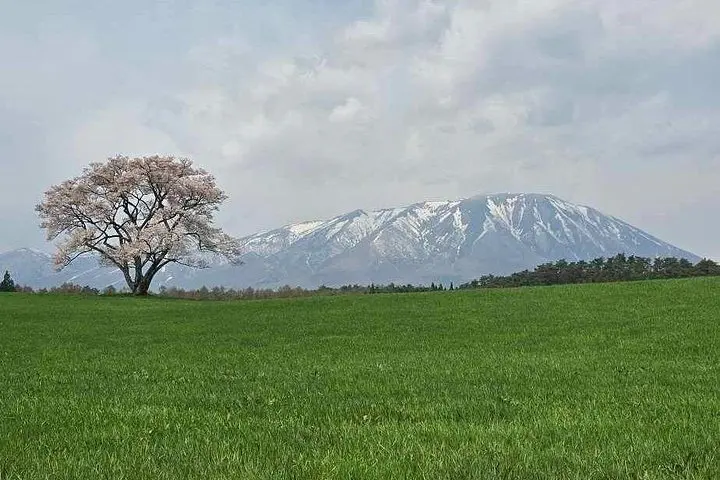
The route threads past Koiwai Farm and Shin Onigoe Pond, where the landscape shifts from broad panoramas to intimate agricultural plots. Farmers tending fields and café patios with mountain-facing windows are part of the ride’s rhythm—this is as much an agricultural tour as a cycling one.
Practical guidance: the tour uses e-bikes, so expect steady assistance on climbs and the ability to cover mixed terrain in about five hours. Wear layered clothing for morning chills and sun protection for exposed stretches. Bring a refillable bottle; farms and cafes may not always have change or card-ready points. Photography opportunities are frequent—stop safely at designated pullouts to avoid disrupting local traffic.
Timing matters: late spring through early fall highlights green fields and harvest activity; autumn offers crisp air and color. Be courteous around private land, follow your guide, and return home with both stories and local products that support the communities you rode through.
Yes — the tour supplies e‑bikes and a brief orientation; they provide pedal‑assist to make climbs manageable for riders of mixed fitness.
Tours typically start near Shizukuishi or Koiwai Station; both are reachable by regional trains and some walking or short transfers may be required.
Duplicate placeholder
Cafés aim to highlight local produce; notify the operator of allergies or restrictions when booking to allow arrangements where possible.
Northern Japan Horizons operates guided outdoor trips and adventures with an emphasis on safety, stewardship, and memorable experiences.
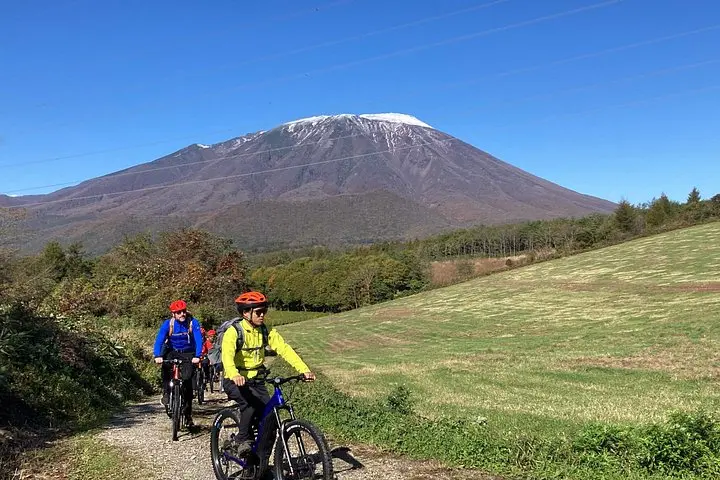
Morning light skims the flanks of Mt. Iwate as riders set off from Shizukuishi, tires whispering on quiet country roads. The mountain keeps watch, its ridgelines pushing the sky while rice fields and orchards frame a route that alternates between open views and shaded lanes.
Morning light skims the flanks of Mt. Iwate as riders set off from Shizukuishi, tires whispering on quiet country roads. The mountain keeps watch, its ridgelines pushing the sky while rice fields and orchards frame a route that alternates between open views and shaded lanes.
Geology here is honest: Mt. Iwate is a stratovolcano whose ancient eruptions laid the volcanic soils that feed the farms you pass. Centuries of farming and shrine culture have shaped small villages and the local calendar; roadside markers and Iwate-san Shrine offer glimpses into regional belief and the community’s link to the mountain.
The route threads past Koiwai Farm and Shin Onigoe Pond, where the landscape shifts from broad panoramas to intimate agricultural plots. Farmers tending fields and café patios with mountain-facing windows are part of the ride’s rhythm—this is as much an agricultural tour as a cycling one.
Practical guidance: the tour uses e-bikes, so expect steady assistance on climbs and the ability to cover mixed terrain in about five hours. Wear layered clothing for morning chills and sun protection for exposed stretches. Bring a refillable bottle; farms and cafes may not always have change or card-ready points. Photography opportunities are frequent—stop safely at designated pullouts to avoid disrupting local traffic.
Timing matters: late spring through early fall highlights green fields and harvest activity; autumn offers crisp air and color. Be courteous around private land, follow your guide, and return home with both stories and local products that support the communities you rode through.