THE ADVENTURE COLLECTIVE® · Independent discovery and booking for outdoor travel

A full‑day trip from Nairobi to Mt Longonot takes you up a 2,780 m dormant volcano and around its serrated crater rim. Expect 6–9 hours total with dramatic Rift Valley views, volcanic terrain and required moderate fitness.
A full‑day trip from Nairobi to Mt Longonot takes you up a 2,780 m dormant volcano and around its serrated crater rim. Expect 6–9 hours total with dramatic Rift Valley views, volcanic terrain and required moderate fitness.
You leave Nairobi before dawn, the city giving way to low scrub and distant escarpments as the road drops into the Rift Valley. By mid‑morning the trailhead opens onto a pale volcanic slope; wind combs the grasses and the crater rim dares you to climb its serrated edge.
Verified experiences and guided adventures in the surrounding area.
Operated by Africa Vacation Safaris · Naivasha, Nakuru County
You leave Nairobi before dawn, the city giving way to low scrub and distant escarpments as the road drops into the Rift Valley. By mid‑morning the trailhead opens onto a pale volcanic slope; wind combs the grasses and the crater rim dares you to climb its serrated edge.
Mt Longonot is a dormant stratovolcano that rises to 2,780 m, formed roughly 400,000 years ago and last active in the 1860s. The name Olo Nongot—“Mountain of Many Summits”—comes from the Maasai who have long watched its changing moods. The national park covers about 52 sq km and protects the volcano’s fragile highland grasslands as well as pockets of acacia forest at lower elevations.
The route is straightforward but sustained: expect roughly three hours to reach the rim from the parking area, then another 3–5 hours to circle the crater, with about 1,000 m of elevation change from the valley floor. Terrain shifts from compacted volcanic ash to loose scree and narrow ridgelines; sections are exposed to sun and wind.
Practical note: guides and park fees are typically included on organized departures. Start early to avoid midday heat, carry at least 2 liters of water, wear sturdy boots and sun protection, and budget for a light rain layer during the rainy seasons. Respect marked trails—the crater’s rim is fragile and erosion-prone—and leave no trace. The payoff is wide Rift Valley panoramas, close mountain air, and a crater loop that rewards steady hikers with big views and real solitude.
Expect a 6–9 hour day: roughly 1.5–2 hours’ drive each way plus 6–7 hours on the mountain (about 3 hours to the rim, 3–5 hours for the crater circuit).
Guides are standard on organized departures and recommended for safety and local knowledge; park staff may also be present at the entrance.
The trail is non‑technical but sustained; at 2,780 m it can feel airy for recent arrivals—allow time to acclimatize if coming straight from sea level and avoid the hike with serious cardiovascular issues.
Children in good fitness (typically 10+) can manage sections, but the full crater loop requires stamina—those with limited fitness should consider turning back at the rim.
Africa Vacation Safaris operates guided outdoor trips and adventures with an emphasis on safety, stewardship, and memorable experiences.
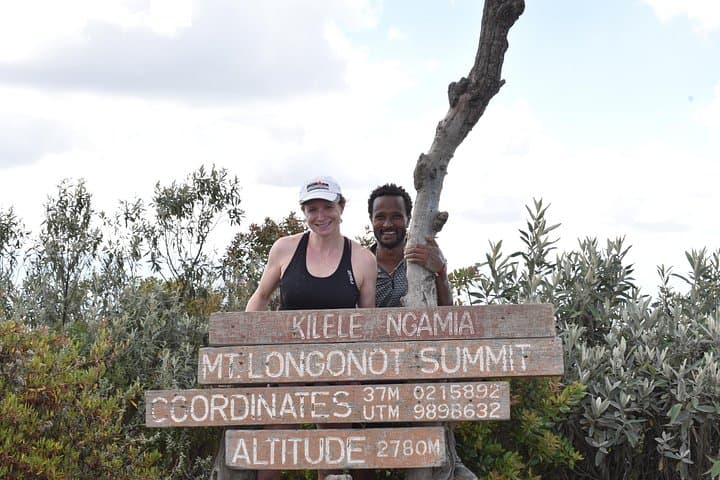


You leave Nairobi before dawn, the city giving way to low scrub and distant escarpments as the road drops into the Rift Valley. By mid‑morning the trailhead opens onto a pale volcanic slope; wind combs the grasses and the crater rim dares you to climb its serrated edge.
You leave Nairobi before dawn, the city giving way to low scrub and distant escarpments as the road drops into the Rift Valley. By mid‑morning the trailhead opens onto a pale volcanic slope; wind combs the grasses and the crater rim dares you to climb its serrated edge.
Mt Longonot is a dormant stratovolcano that rises to 2,780 m, formed roughly 400,000 years ago and last active in the 1860s. The name Olo Nongot—“Mountain of Many Summits”—comes from the Maasai who have long watched its changing moods. The national park covers about 52 sq km and protects the volcano’s fragile highland grasslands as well as pockets of acacia forest at lower elevations.
The route is straightforward but sustained: expect roughly three hours to reach the rim from the parking area, then another 3–5 hours to circle the crater, with about 1,000 m of elevation change from the valley floor. Terrain shifts from compacted volcanic ash to loose scree and narrow ridgelines; sections are exposed to sun and wind.
Practical note: guides and park fees are typically included on organized departures. Start early to avoid midday heat, carry at least 2 liters of water, wear sturdy boots and sun protection, and budget for a light rain layer during the rainy seasons. Respect marked trails—the crater’s rim is fragile and erosion-prone—and leave no trace. The payoff is wide Rift Valley panoramas, close mountain air, and a crater loop that rewards steady hikers with big views and real solitude.