THE ADVENTURE COLLECTIVE® · Independent discovery and booking for outdoor travel

A single-day ascent of Mt Longonot delivers Rift Valley panoramas and a dramatic crater rim walk. Expect volcanic slopes, exposed ridgelines and a moderate 3–4 hour hike with door-to-door transport from Nairobi.
A single-day ascent of Mt Longonot delivers Rift Valley panoramas and a dramatic crater rim walk. Expect volcanic slopes, exposed ridgelines and a moderate 3–4 hour hike with door-to-door transport from Nairobi.
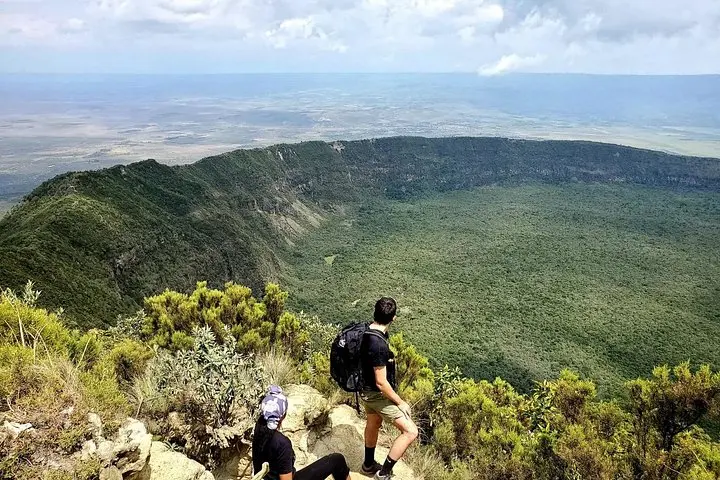
You step off the minibus into a highland wind that pulls at your jacket and pushes your footsteps toward the trailhead. Kikuyu farmland unspools behind you; ahead, the bare flanks of Mt. Longonot rise like a dark lip against the sky. The path climbs through gullies carved by past eruptions and opens onto the rim, where the crater below dares you to peer over.
Verified experiences and guided adventures in the surrounding area.
Operated by Muringa Kenya Tours & Safaris Ltd · Naivasha, Nakuru County
You step off the minibus into a highland wind that pulls at your jacket and pushes your footsteps toward the trailhead. Kikuyu farmland unspools behind you; ahead, the bare flanks of Mt. Longonot rise like a dark lip against the sky. The path climbs through gullies carved by past eruptions and opens onto the rim, where the crater below dares you to peer over.
Geologically, Longonot is a stratovolcano formed in the Rift Valley’s volcanic engine — its caldera and steep inner slopes are the visible record of eruptions millions of years ago. The Great Rift Valley viewpoint en route frames neighboring cones such as Mt Suswa and the patchwork lakes below; this corridor shaped local Maasai and Kikuyu movement and settlement patterns for centuries.
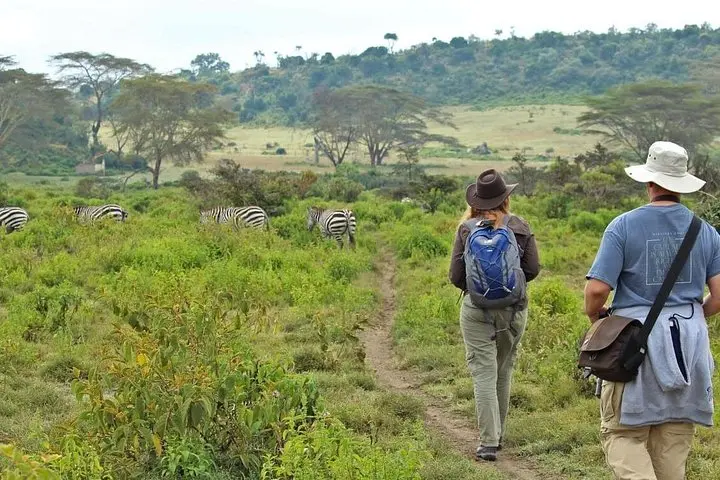
The hike is sharp and direct: compact volcanic scree, intermittent switchbacks, and exposed sections on the rim. Vegetation shifts from grass and acacia at the base to low shrubs near the crater rim; birdlife is conspicuous, and warthogs or dik-dik are possible sightings in quieter hours.
Practical edge: the trail takes roughly 3–4 hours round-trip for hikers of moderate fitness; allow 6–8 hours including transport from Nairobi. Wear sturdy footwear with good traction, carry 1–2 liters of water, and bring windproof layers — weather changes quickly on the ridge. Early starts beat heat and afternoon wind, and guides from Nairobi handle permits and logistics, letting you focus on the climb and the crater loop if you have the energy.
The round-trip hike to the rim and back typically takes 3–4 hours for reasonably fit hikers; a full rim circuit adds time if attempted.
Guides are not strictly mandatory but are recommended for permit handling, route information and local insight; many day-trip operators include guides.
Early morning is best — cooler temperatures, calmer winds, and clearer views before afternoon haze or breezes build.
Basic park headquarters facilities exist at the base; bring snacks and confirm lunch arrangements with your operator.
Muringa Kenya Tours & Safaris Ltd operates guided outdoor trips and adventures with an emphasis on safety, stewardship, and memorable experiences.
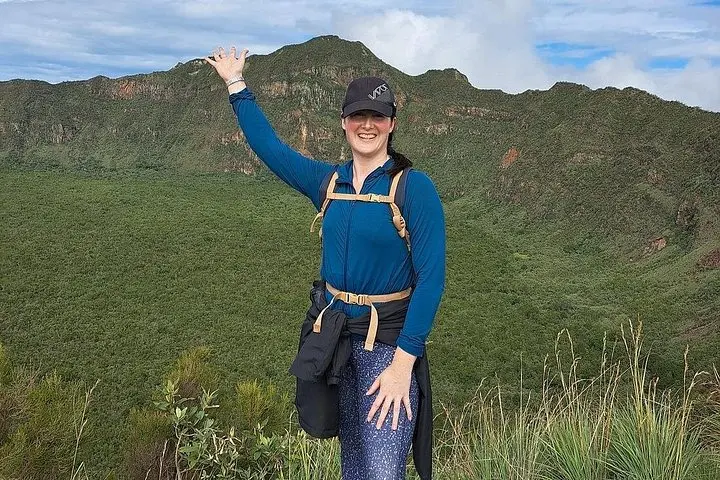
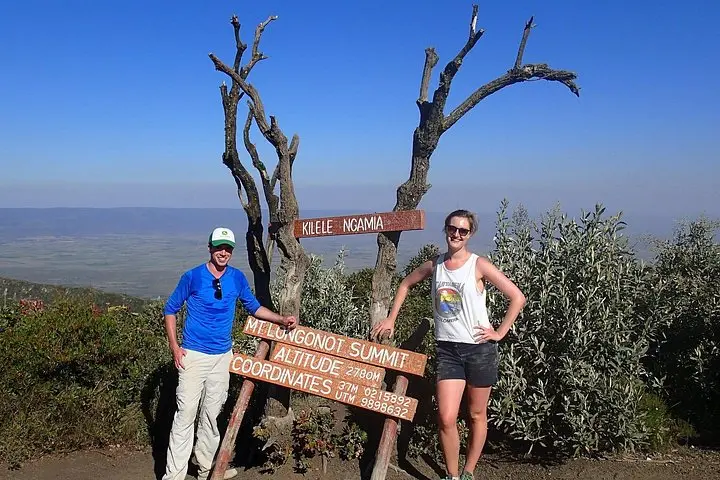
You step off the minibus into a highland wind that pulls at your jacket and pushes your footsteps toward the trailhead. Kikuyu farmland unspools behind you; ahead, the bare flanks of Mt. Longonot rise like a dark lip against the sky. The path climbs through gullies carved by past eruptions and opens onto the rim, where the crater below dares you to peer over.
You step off the minibus into a highland wind that pulls at your jacket and pushes your footsteps toward the trailhead. Kikuyu farmland unspools behind you; ahead, the bare flanks of Mt. Longonot rise like a dark lip against the sky. The path climbs through gullies carved by past eruptions and opens onto the rim, where the crater below dares you to peer over.
Geologically, Longonot is a stratovolcano formed in the Rift Valley’s volcanic engine — its caldera and steep inner slopes are the visible record of eruptions millions of years ago. The Great Rift Valley viewpoint en route frames neighboring cones such as Mt Suswa and the patchwork lakes below; this corridor shaped local Maasai and Kikuyu movement and settlement patterns for centuries.
The hike is sharp and direct: compact volcanic scree, intermittent switchbacks, and exposed sections on the rim. Vegetation shifts from grass and acacia at the base to low shrubs near the crater rim; birdlife is conspicuous, and warthogs or dik-dik are possible sightings in quieter hours.
Practical edge: the trail takes roughly 3–4 hours round-trip for hikers of moderate fitness; allow 6–8 hours including transport from Nairobi. Wear sturdy footwear with good traction, carry 1–2 liters of water, and bring windproof layers — weather changes quickly on the ridge. Early starts beat heat and afternoon wind, and guides from Nairobi handle permits and logistics, letting you focus on the climb and the crater loop if you have the energy.