THE ADVENTURE COLLECTIVE® · Independent discovery and booking for outdoor travel

A full-day hike from Shinjuku that threads the Rock Garden gorge, visits Mitake Shrine at 929 m, and returns by cable car—ideal for hikers who want a scenic, culturally rich escape without leaving Tokyo behind.
A full-day hike from Shinjuku that threads the Rock Garden gorge, visits Mitake Shrine at 929 m, and returns by cable car—ideal for hikers who want a scenic, culturally rich escape without leaving Tokyo behind.
The path opens with damp stone and the smell of cedar as the train thugs past suburban edges and the valley narrows—by midmorning the Rock Garden’s gorge frames the group in dappled shade and the river dares you forward with small, tumbling falls.
Verified experiences and guided adventures in the surrounding area.
Operated by Tokyo Hiking · Ome, Tokyo
The path opens with damp stone and the smell of cedar as the train thugs past suburban edges and the valley narrows—by midmorning the Rock Garden’s gorge frames the group in dappled shade and the river dares you forward with small, tumbling falls.
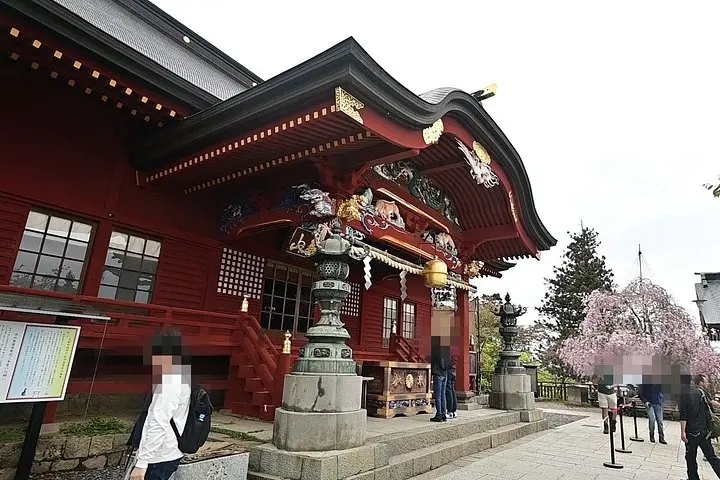
Mt. Mitake rises to 929 meters in Tokyo’s Okutama range. Geologically it’s a collection of weathered schist and andesite; along the route boulders and moss testify to millennia of erosion and seasonal runoff. Mitake Shrine on the summit has long been a point of mountain worship, dedicated to a wolf deity once honored by yamabushi and local villagers, and the shrine town still offers shukubō (pilgrim lodgings) and regional cuisine.
Culturally, the mountain blends Shinto practice and outdoor recreation—expect stone lanterns, wooden ema plaques, and the steady flow of day hikers and pilgrims. Local volunteers maintain trails; signage is in Japanese with growing English labels near the cable car.
Practical guidance: the outing is effectively a long day—plan about 9–10 hours from Shinjuku including transfers. The Rock Garden trail is uneven, wet in places, and gains moderate elevation; good ankle support and waterproof layers help. Bring 1–2 liters of water, a packed lunch (or reserve a shrine lodging meal in advance), and allow extra time for the shrine visit. Trains and buses move on fixed schedules; aim to arrive early to avoid afternoon crowds and to give space for slower walkers.
Yes—this one-day route is commonly done by beginners with moderate fitness; expect uneven terrain and a few steep pitches, but no technical climbing.
Contact the tour operator or the lodging in advance—spaces are limited and many require reservations for lunch or overnight stays.
You can descend by cable car as planned; cable car schedules vary seasonally—check the operating hours the day before your trip.
The itinerary uses JR trains to Musashi-Itsukaichi Station, followed by a local bus and then cable car access near the summit area.
Tokyo Hiking operates guided outdoor trips and adventures with an emphasis on safety, stewardship, and memorable experiences.
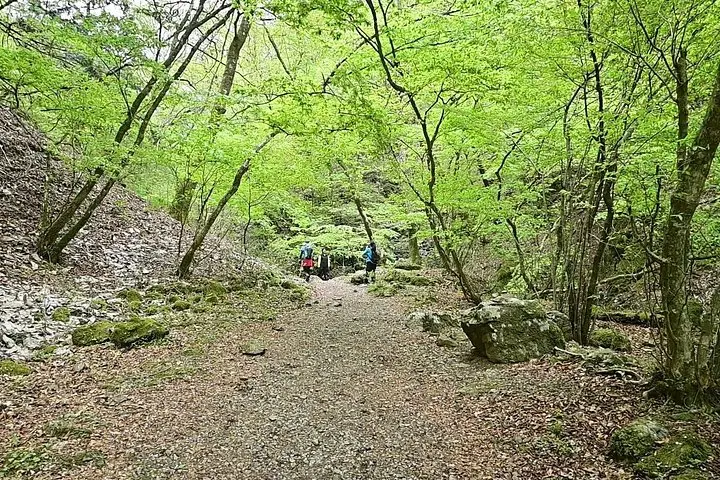
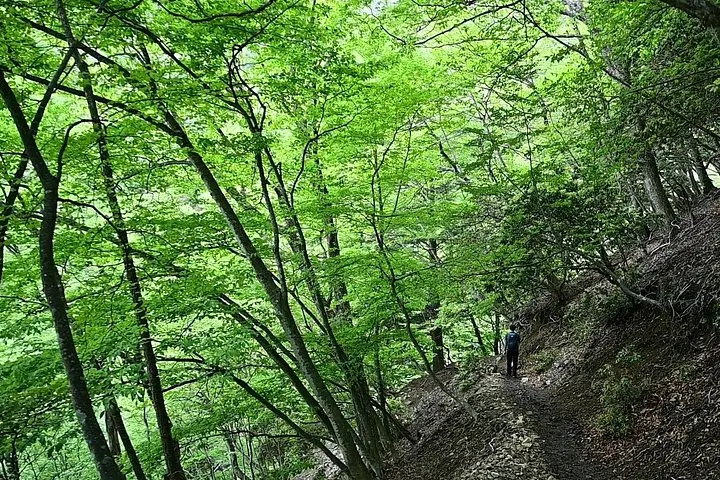
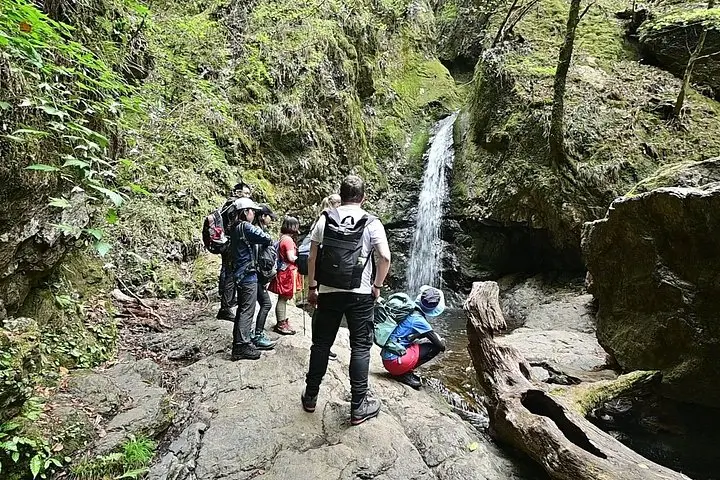
The path opens with damp stone and the smell of cedar as the train thugs past suburban edges and the valley narrows—by midmorning the Rock Garden’s gorge frames the group in dappled shade and the river dares you forward with small, tumbling falls.
The path opens with damp stone and the smell of cedar as the train thugs past suburban edges and the valley narrows—by midmorning the Rock Garden’s gorge frames the group in dappled shade and the river dares you forward with small, tumbling falls.
Mt. Mitake rises to 929 meters in Tokyo’s Okutama range. Geologically it’s a collection of weathered schist and andesite; along the route boulders and moss testify to millennia of erosion and seasonal runoff. Mitake Shrine on the summit has long been a point of mountain worship, dedicated to a wolf deity once honored by yamabushi and local villagers, and the shrine town still offers shukubō (pilgrim lodgings) and regional cuisine.
Culturally, the mountain blends Shinto practice and outdoor recreation—expect stone lanterns, wooden ema plaques, and the steady flow of day hikers and pilgrims. Local volunteers maintain trails; signage is in Japanese with growing English labels near the cable car.
Practical guidance: the outing is effectively a long day—plan about 9–10 hours from Shinjuku including transfers. The Rock Garden trail is uneven, wet in places, and gains moderate elevation; good ankle support and waterproof layers help. Bring 1–2 liters of water, a packed lunch (or reserve a shrine lodging meal in advance), and allow extra time for the shrine visit. Trains and buses move on fixed schedules; aim to arrive early to avoid afternoon crowds and to give space for slower walkers.