THE ADVENTURE COLLECTIVE® · Independent discovery and booking for outdoor travel

Drive from Tokyo to the serrated cliffs of Mt. Nokogiri for dramatic coastal panoramas, a cliff-carved Great Buddha, and the dizzying Jigoku-nozoki viewpoint. This private-car tour mixes easy access with optional stair climbs through temple terraces.
Drive from Tokyo to the serrated cliffs of Mt. Nokogiri for dramatic coastal panoramas, a cliff-carved Great Buddha, and the dizzying Jigoku-nozoki viewpoint. This private-car tour mixes easy access with optional stair climbs through temple terraces.
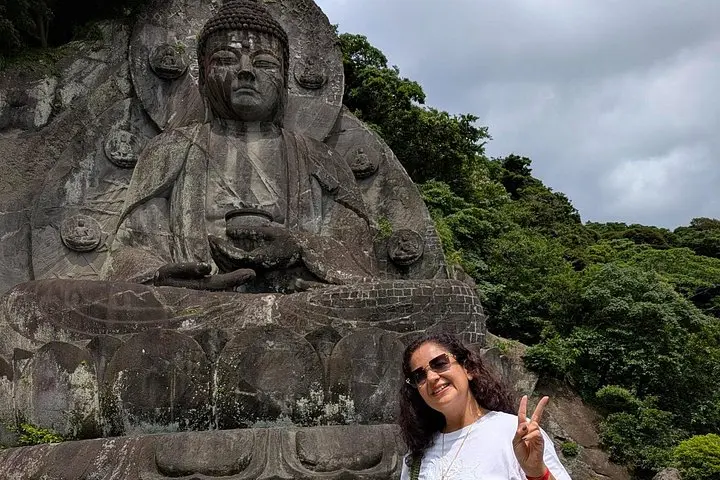
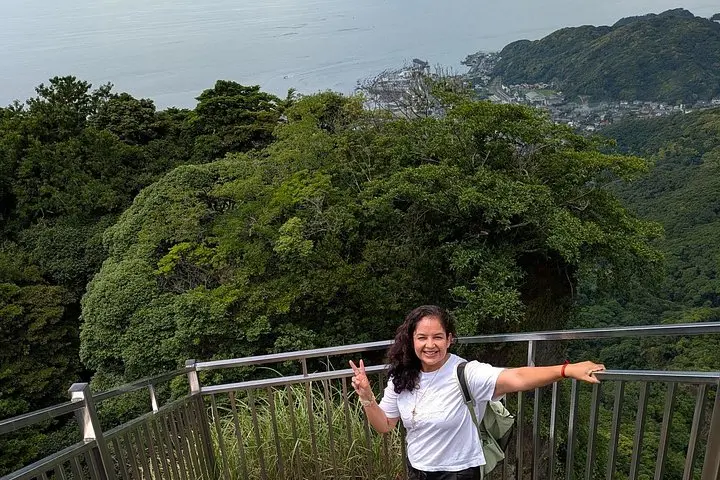
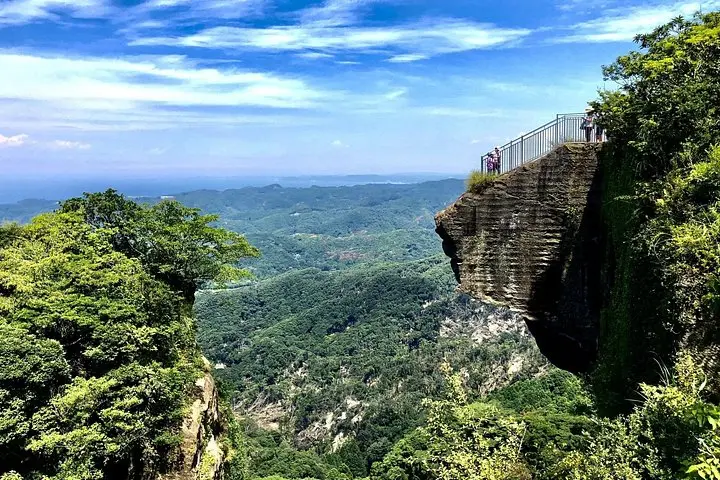
A sharp wind off Tokyo Bay draws your attention first: the cliff edge of Mt. Nokogiri (Nokogiriyama) slices the skyline like the blade its name promises. From the private car you climb the narrow roads of the Bōsō Peninsula, and then the mountain opens—sheer granite faces, a jagged lookout known locally as Jigoku-nozoki (View of Hell), and the cliff-carved Great Buddha that fills the eye with quiet weight.
Verified experiences and guided adventures in the surrounding area.
Operated by MY Travel Consulting · Kyonan, Chiba
A sharp wind off Tokyo Bay draws your attention first: the cliff edge of Mt. Nokogiri (Nokogiriyama) slices the skyline like the blade its name promises. From the private car you climb the narrow roads of the Bōsō Peninsula, and then the mountain opens—sheer granite faces, a jagged lookout known locally as Jigoku-nozoki (View of Hell), and the cliff-carved Great Buddha that fills the eye with quiet weight.
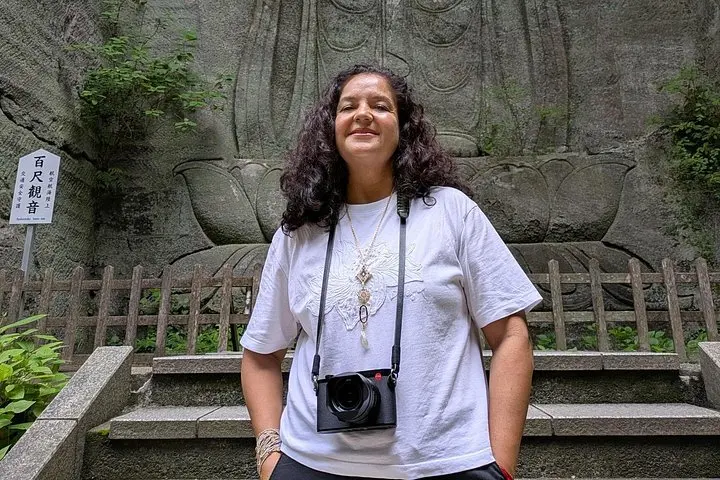
The place is equal parts geology and human craft. The sawtooth ridge is Cambrian to Paleozoic sandstone and chert, exposed and polished by sea winds and centuries of quarrying. Nihon-ji temple, founded centuries ago, expanded with Edo-period stonework; the Great Buddha and the rows of 1,500 arhats were carved directly into the rock, where poets and pilgrims once paused to mark the view.
Culturally, this is rural Chiba—fishing hamlets, small shrines and the repurposed Hota elementary-turned-market that preserves local food and crafts. On clear days the observatory frames Miura Peninsula and Mount Fuji far to the west; ropeway browsers and stair-climbing visitors share the same moments of silence.
Practical guidance: the tour can be done entirely by private car and ropeway, or combined with a hike that includes roughly 2,639 stone steps and steep, uneven terrain—plan for sturdy shoes, sun and rain protection, and a moderate fitness level. Allow most of a day for travel from Tokyo, time to move slowly at the temple complex, and a relaxed stop at the roadside market before returning to the city.
Ropeway fare is usually an additional charge (approximately USD 10); confirm at booking if you want it included.
Yes—on clear days the observatory offers views toward Mount Fuji and the Miura Peninsula, typically best in the morning or after a cold front.
Some areas and the ropeway are stroller-accessible, but the full temple route and the 2,639 stone steps are not wheelchair-friendly.
Meals are not included; there is a renovated roadside market and small restaurants near the former elementary school site where you can eat.
MY Travel Consulting operates guided outdoor trips and adventures with an emphasis on safety, stewardship, and memorable experiences.
A sharp wind off Tokyo Bay draws your attention first: the cliff edge of Mt. Nokogiri (Nokogiriyama) slices the skyline like the blade its name promises. From the private car you climb the narrow roads of the Bōsō Peninsula, and then the mountain opens—sheer granite faces, a jagged lookout known locally as Jigoku-nozoki (View of Hell), and the cliff-carved Great Buddha that fills the eye with quiet weight.
A sharp wind off Tokyo Bay draws your attention first: the cliff edge of Mt. Nokogiri (Nokogiriyama) slices the skyline like the blade its name promises. From the private car you climb the narrow roads of the Bōsō Peninsula, and then the mountain opens—sheer granite faces, a jagged lookout known locally as Jigoku-nozoki (View of Hell), and the cliff-carved Great Buddha that fills the eye with quiet weight.
The place is equal parts geology and human craft. The sawtooth ridge is Cambrian to Paleozoic sandstone and chert, exposed and polished by sea winds and centuries of quarrying. Nihon-ji temple, founded centuries ago, expanded with Edo-period stonework; the Great Buddha and the rows of 1,500 arhats were carved directly into the rock, where poets and pilgrims once paused to mark the view.
Culturally, this is rural Chiba—fishing hamlets, small shrines and the repurposed Hota elementary-turned-market that preserves local food and crafts. On clear days the observatory frames Miura Peninsula and Mount Fuji far to the west; ropeway browsers and stair-climbing visitors share the same moments of silence.
Practical guidance: the tour can be done entirely by private car and ropeway, or combined with a hike that includes roughly 2,639 stone steps and steep, uneven terrain—plan for sturdy shoes, sun and rain protection, and a moderate fitness level. Allow most of a day for travel from Tokyo, time to move slowly at the temple complex, and a relaxed stop at the roadside market before returning to the city.