THE ADVENTURE COLLECTIVE® · Independent discovery and booking for outdoor travel

Just an hour from Shinjuku, Mt. Takao offers a compact but rewarding escape: forested trails, historic Yakuoin Temple, a playful monkey park, and optional cable car or onsen after the hike. This full-day route balances easy access with genuine mountain terrain.
Just an hour from Shinjuku, Mt. Takao offers a compact but rewarding escape: forested trails, historic Yakuoin Temple, a playful monkey park, and optional cable car or onsen after the hike. This full-day route balances easy access with genuine mountain terrain.
The path opens under a canopy of cedar and maple; the air is cool and carries the scent of damp earth as commuters’ tall buildings fall away behind you. On Mt. Takao the forest moves with its own rhythm—the trail sometimes easy and wide, sometimes stepping up through stone stairs that seem to test your pace. The summit rewards effort with a crouched panorama: on clear days Fuji’s silhouette punctures the horizon.
Verified experiences and guided adventures in the surrounding area.
Operated by Honmonji Temple・Japanese landscape garden&Togoshi- ginza Shopping Street. · Hachioji, Tokyo
The path opens under a canopy of cedar and maple; the air is cool and carries the scent of damp earth as commuters’ tall buildings fall away behind you. On Mt. Takao the forest moves with its own rhythm—the trail sometimes easy and wide, sometimes stepping up through stone stairs that seem to test your pace. The summit rewards effort with a crouched panorama: on clear days Fuji’s silhouette punctures the horizon.
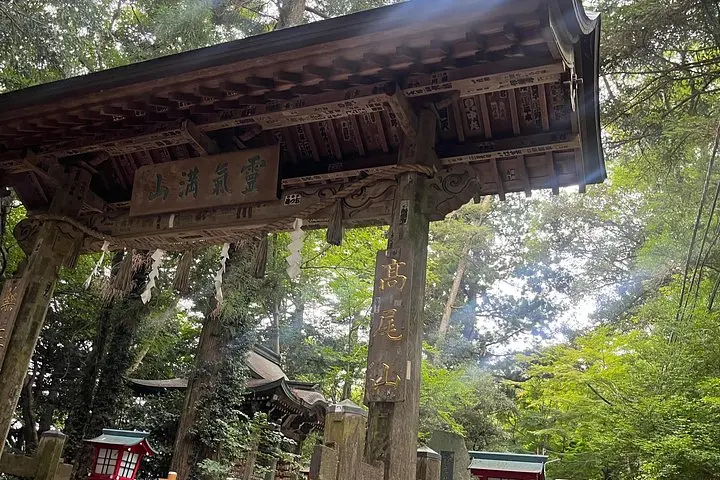
This mountain has been part of Tokyo’s spiritual and natural landscape for centuries. Yakuoin Temple, founded in the 8th century, still draws pilgrims who ritualize the climb; the geology is primarily volcanic and sedimentary rock shaped into rounded ridges and steep gullies that channel clear mountain streams. Local culture mixes pilgrimage, recreation, and nature study—weekends bring families, monks, and birdwatchers.
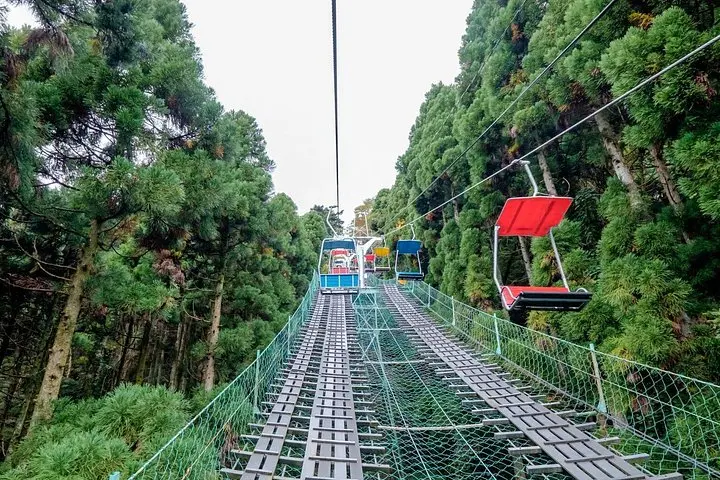
Practically, expect varied terrain: maintained trails, wooden boardwalks, and stone steps. The cable car or chair lift runs partway up, offering an easy option for descending or bypassing the busiest sections. Takaosan Monkey Park provides close views of wild Japanese macaques but observe from a distance and follow posted rules.
Plan for a half- to full-day outing: start early to avoid crowds, wear grippy shoes for wet stairs, bring layered clothing and water, and leave time post-hike for a soak at a local onsen. Stay on marked trails, carry out trash, and keep wildlife wild—these simple choices protect a mountain that still feels, quietly, like it’s watching you back.
Take the Keio Line from Shinjuku to Takaosanguchi Station—journey time is about 50–60 minutes; the trailheads are a short walk from the station.
The cable car or chair lift is optional; it shortens walking and helps with descent for tired hikers but is not required to reach the summit.
Wild macaques can be curious; they are not normally aggressive but can bite if provoked—do not feed, touch, or approach them and follow park guidelines.
Clear mornings in late autumn through winter offer the best visibility; check weather forecasts for low humidity and good visibility.
Honmonji Temple・Japanese landscape garden&Togoshi- ginza Shopping Street. operates guided outdoor trips and adventures with an emphasis on safety, stewardship, and memorable experiences.
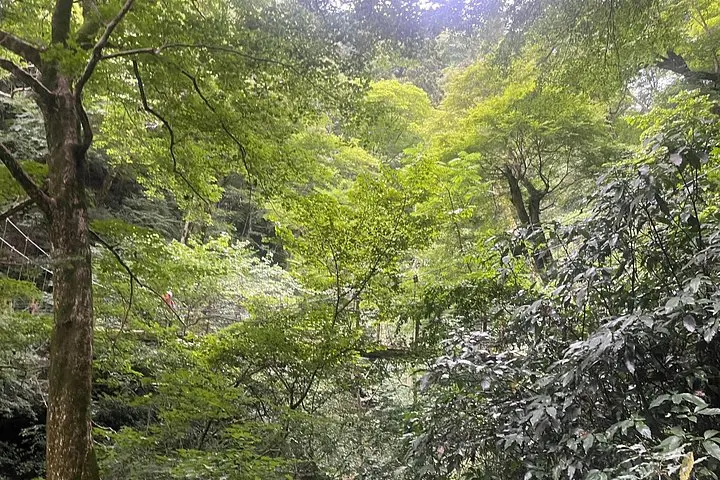
The path opens under a canopy of cedar and maple; the air is cool and carries the scent of damp earth as commuters’ tall buildings fall away behind you. On Mt. Takao the forest moves with its own rhythm—the trail sometimes easy and wide, sometimes stepping up through stone stairs that seem to test your pace. The summit rewards effort with a crouched panorama: on clear days Fuji’s silhouette punctures the horizon.
The path opens under a canopy of cedar and maple; the air is cool and carries the scent of damp earth as commuters’ tall buildings fall away behind you. On Mt. Takao the forest moves with its own rhythm—the trail sometimes easy and wide, sometimes stepping up through stone stairs that seem to test your pace. The summit rewards effort with a crouched panorama: on clear days Fuji’s silhouette punctures the horizon.
This mountain has been part of Tokyo’s spiritual and natural landscape for centuries. Yakuoin Temple, founded in the 8th century, still draws pilgrims who ritualize the climb; the geology is primarily volcanic and sedimentary rock shaped into rounded ridges and steep gullies that channel clear mountain streams. Local culture mixes pilgrimage, recreation, and nature study—weekends bring families, monks, and birdwatchers.
Practically, expect varied terrain: maintained trails, wooden boardwalks, and stone steps. The cable car or chair lift runs partway up, offering an easy option for descending or bypassing the busiest sections. Takaosan Monkey Park provides close views of wild Japanese macaques but observe from a distance and follow posted rules.
Plan for a half- to full-day outing: start early to avoid crowds, wear grippy shoes for wet stairs, bring layered clothing and water, and leave time post-hike for a soak at a local onsen. Stay on marked trails, carry out trash, and keep wildlife wild—these simple choices protect a mountain that still feels, quietly, like it’s watching you back.