THE ADVENTURE COLLECTIVE® · Independent discovery and booking for outdoor travel

Swap Marrakech’s crowd for the quiet of the High Atlas and the hush of Zagora’s dunes on a 4-day combo: summit Jebel Toubkal, descend through Berber valleys, then ride camels to a private luxury desert camp. Practical, high-elevation trekking meets comfortable desert nights.
Swap Marrakech’s crowd for the quiet of the High Atlas and the hush of Zagora’s dunes on a 4-day combo: summit Jebel Toubkal, descend through Berber valleys, then ride camels to a private luxury desert camp. Practical, high-elevation trekking meets comfortable desert nights.
Morning light hits the ridgelines above Imlil and the path breathes steam in the cold—this is the start of a trip that trades city plazas for rocky switchbacks and dunes. You climb through Berber villages, pass a singing spring at Sidi Chamharouch, and stand on Jebel Toubkal (4,167 m) where the High Atlas lays out like a living map. By day three the landscape flips: red kasbahs, palm-lined Draa oases and, finally, the Sahara’s small dunes outside Zagora where camels pace you toward a private luxury tent.
Verified experiences and guided adventures in the surrounding area.
Operated by Smart Morocco Tours Excursions · Marrakech, Marrakech-Safi
Morning light hits the ridgelines above Imlil and the path breathes steam in the cold—this is the start of a trip that trades city plazas for rocky switchbacks and dunes. You climb through Berber villages, pass a singing spring at Sidi Chamharouch, and stand on Jebel Toubkal (4,167 m) where the High Atlas lays out like a living map. By day three the landscape flips: red kasbahs, palm-lined Draa oases and, finally, the Sahara’s small dunes outside Zagora where camels pace you toward a private luxury tent.
The Atlas is a young mountain range shaped by African-Eurasian collision; the villages are predominantly Amazigh (Berber) with centuries-old kasbah architecture and a long history of caravan trade that linked Marrakech to sub-Saharan routes. Ouarzazate’s film studios speak to the region’s cinematic backdrops; Zagora marks the western edge of Sahara travel where camel caravans once carried salt and grain.
Practically: the itinerary is four days with an overnight refuge on the mountain and a desert camp stay. Expect steep, rocky trails to the summit—short scrambling and thin air on the final ascent—and long road sections across the Tizi n’Tichka pass to Zagora. Pack layered insulation for cold mountain nights, sturdy hiking boots, plenty of water and sun protection for the desert segment. Allow time to acclimatize, and factor a 6–8 hour drive day when crossing the High Atlas. Local guides handle logistics, food and tents; your job is steady pacing, respectful engagement with local culture, and leaving no trace in fragile mountain and desert environments.
You should have regular aerobic conditioning and prior multi-hour uphill hiking experience; the ascent involves sustained climbing to 4,167 m over rocky terrain.
No—camel rides are low-effort short journeys; you’ll sit while the animals walk and dismount for camp and photo stops.
Mountain nights are in a basic refuge with shared facilities; the desert component uses private luxury tents with dinner and bedding provided.
Yes—local guides are included and necessary for navigation, safety at altitude and desert logistics.
Smart Morocco Tours Excursions operates guided outdoor trips and adventures with an emphasis on safety, stewardship, and memorable experiences.
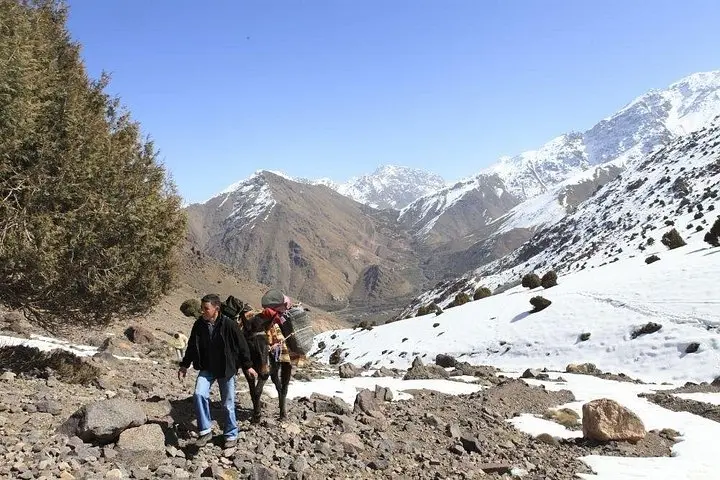
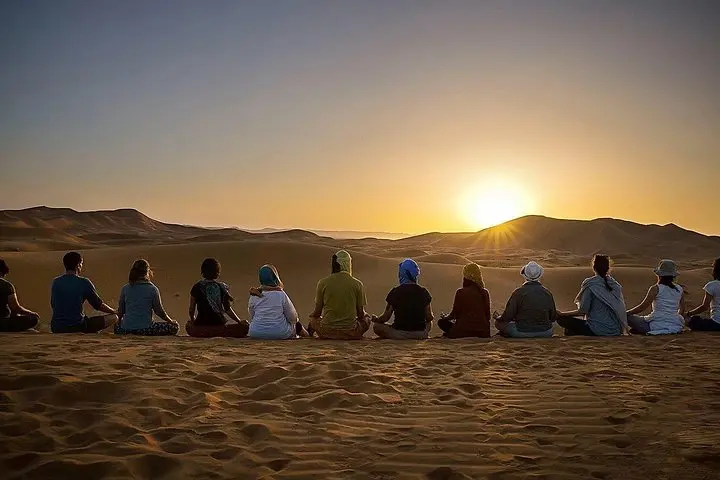
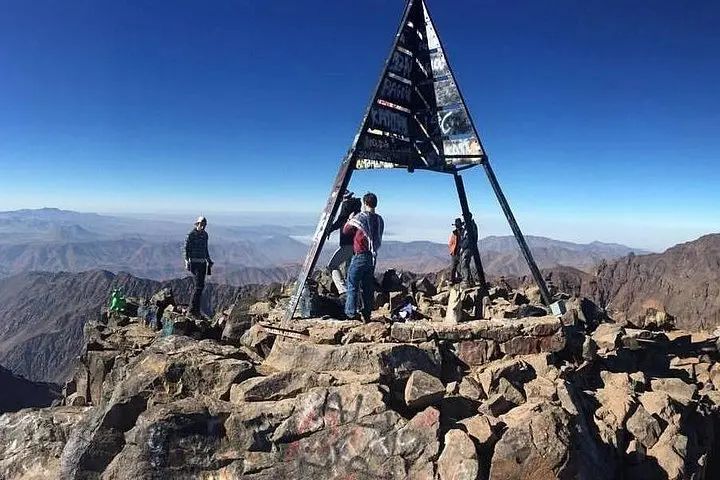
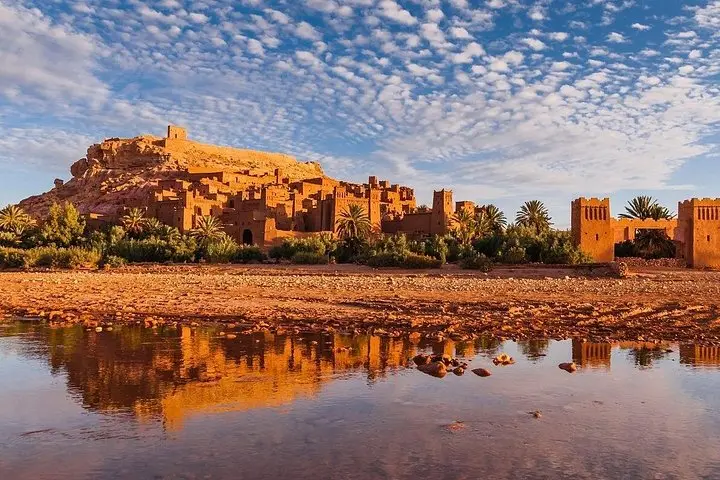
Morning light hits the ridgelines above Imlil and the path breathes steam in the cold—this is the start of a trip that trades city plazas for rocky switchbacks and dunes. You climb through Berber villages, pass a singing spring at Sidi Chamharouch, and stand on Jebel Toubkal (4,167 m) where the High Atlas lays out like a living map. By day three the landscape flips: red kasbahs, palm-lined Draa oases and, finally, the Sahara’s small dunes outside Zagora where camels pace you toward a private luxury tent.
Morning light hits the ridgelines above Imlil and the path breathes steam in the cold—this is the start of a trip that trades city plazas for rocky switchbacks and dunes. You climb through Berber villages, pass a singing spring at Sidi Chamharouch, and stand on Jebel Toubkal (4,167 m) where the High Atlas lays out like a living map. By day three the landscape flips: red kasbahs, palm-lined Draa oases and, finally, the Sahara’s small dunes outside Zagora where camels pace you toward a private luxury tent.
The Atlas is a young mountain range shaped by African-Eurasian collision; the villages are predominantly Amazigh (Berber) with centuries-old kasbah architecture and a long history of caravan trade that linked Marrakech to sub-Saharan routes. Ouarzazate’s film studios speak to the region’s cinematic backdrops; Zagora marks the western edge of Sahara travel where camel caravans once carried salt and grain.
Practically: the itinerary is four days with an overnight refuge on the mountain and a desert camp stay. Expect steep, rocky trails to the summit—short scrambling and thin air on the final ascent—and long road sections across the Tizi n’Tichka pass to Zagora. Pack layered insulation for cold mountain nights, sturdy hiking boots, plenty of water and sun protection for the desert segment. Allow time to acclimatize, and factor a 6–8 hour drive day when crossing the High Atlas. Local guides handle logistics, food and tents; your job is steady pacing, respectful engagement with local culture, and leaving no trace in fragile mountain and desert environments.