THE ADVENTURE COLLECTIVE® · Independent discovery and booking for outdoor travel

A short, easy hop from JR or Kintetsu Nara Station takes you to Mt. Wakakusa’s grassy summit for sweeping views of Nara Park and the Great Buddha Hall. This 1 hour 45 minute round-trip includes a 45-minute summit stop and the option to hike down at your own pace.
A short, easy hop from JR or Kintetsu Nara Station takes you to Mt. Wakakusa’s grassy summit for sweeping views of Nara Park and the Great Buddha Hall. This 1 hour 45 minute round-trip includes a 45-minute summit stop and the option to hike down at your own pace.
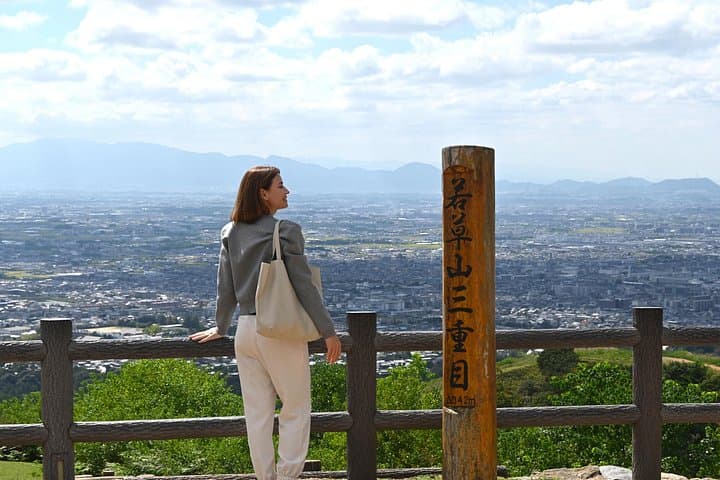
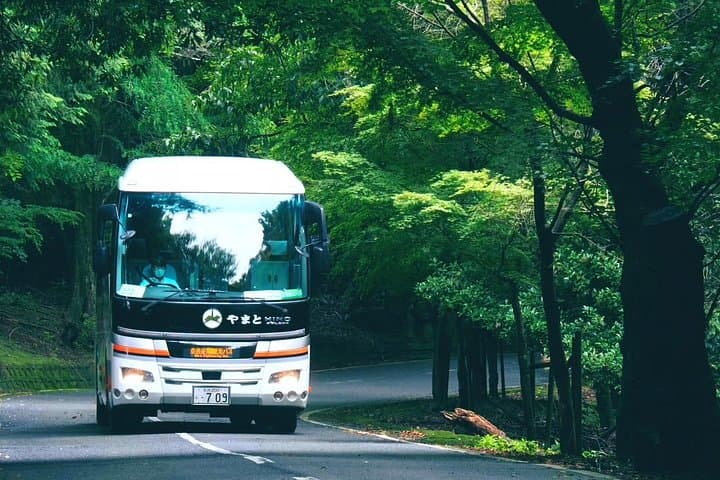
The bus eases up a short rise and the city opens out: tiled roofs, temple roofs glinting, and a low, grass-clad peak ahead where deer graze without hurry. Arriving at Mt. Wakakusa’s summit feels immediate rather than epic — a compact hill that rewards a modest ascent with broad views across Nara Park and the Great Buddha Hall.
Verified experiences and guided adventures in the surrounding area.
Operated by LINKTIVITY Inc. · Nara, Nara
The bus eases up a short rise and the city opens out: tiled roofs, temple roofs glinting, and a low, grass-clad peak ahead where deer graze without hurry. Arriving at Mt. Wakakusa’s summit feels immediate rather than epic — a compact hill that rewards a modest ascent with broad views across Nara Park and the Great Buddha Hall.
Wakakusa has long been part of Nara’s cultural landscape. The slope has served pastoral and ceremonial uses for centuries and is now best known for the annual Wakakusa Yamayaki, when the grass is burned in a timed ritual. Geologically it’s a gentle prominence above the Nara plain, offering open grassy slopes rather than alpine terrain. Culturally, the hill frames a city that was Japan’s first permanent capital in the 8th century; from the summit the scale of Todaiji and the surrounding park is easier to read.
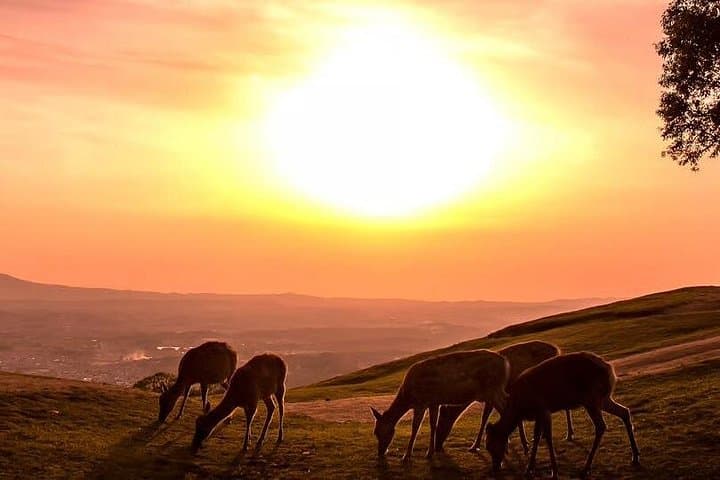
Practicality governs the visitor experience: the service is a short round trip from JR or Kintetsu Nara Station, with a 45-minute summit window included and an option to hike down at one’s own pace. Expect well-worn paths, friendly sika deer that approach visitors, and seasonal crowds around sunset and festivals. Take a moment to scan the skyline at golden hour — the light tightens the city’s temple lines — then head down before buses fill.
Bring comfortable shoes, a light layer for wind at the top, and water. Time your visit to avoid peak return congestion, and respect local rules around wildlife and temple grounds to keep this compact, living view intact.
The full round-trip is about 1 hour 45 minutes with a 45-minute stop at the summit included.
Yes—participants may choose to disembark at the summit and hike down independently at their own pace.
Sika deer roam freely around Wakakusa; they are generally tame but should not be chased or provoked.
During the Wakakusa Yamayaki and other peak periods roads can be congested; departures may be delayed or schedules adjusted.
LINKTIVITY Inc. operates guided outdoor trips and adventures with an emphasis on safety, stewardship, and memorable experiences.

The bus eases up a short rise and the city opens out: tiled roofs, temple roofs glinting, and a low, grass-clad peak ahead where deer graze without hurry. Arriving at Mt. Wakakusa’s summit feels immediate rather than epic — a compact hill that rewards a modest ascent with broad views across Nara Park and the Great Buddha Hall.
The bus eases up a short rise and the city opens out: tiled roofs, temple roofs glinting, and a low, grass-clad peak ahead where deer graze without hurry. Arriving at Mt. Wakakusa’s summit feels immediate rather than epic — a compact hill that rewards a modest ascent with broad views across Nara Park and the Great Buddha Hall.
Wakakusa has long been part of Nara’s cultural landscape. The slope has served pastoral and ceremonial uses for centuries and is now best known for the annual Wakakusa Yamayaki, when the grass is burned in a timed ritual. Geologically it’s a gentle prominence above the Nara plain, offering open grassy slopes rather than alpine terrain. Culturally, the hill frames a city that was Japan’s first permanent capital in the 8th century; from the summit the scale of Todaiji and the surrounding park is easier to read.
Practicality governs the visitor experience: the service is a short round trip from JR or Kintetsu Nara Station, with a 45-minute summit window included and an option to hike down at one’s own pace. Expect well-worn paths, friendly sika deer that approach visitors, and seasonal crowds around sunset and festivals. Take a moment to scan the skyline at golden hour — the light tightens the city’s temple lines — then head down before buses fill.
Bring comfortable shoes, a light layer for wind at the top, and water. Time your visit to avoid peak return congestion, and respect local rules around wildlife and temple grounds to keep this compact, living view intact.