THE ADVENTURE COLLECTIVE® · Independent discovery and booking for outdoor travel

Spend a half-day exploring Mt Wellington’s cliffs, snow gums and sweeping views with a university-trained guide. This small-group driving tour includes six stops—from Cascade Gardens to the summit lookout—and short, easy walks suitable for most travelers.
Spend a half-day exploring Mt Wellington’s cliffs, snow gums and sweeping views with a university-trained guide. This small-group driving tour includes six stops—from Cascade Gardens to the summit lookout—and short, easy walks suitable for most travelers.
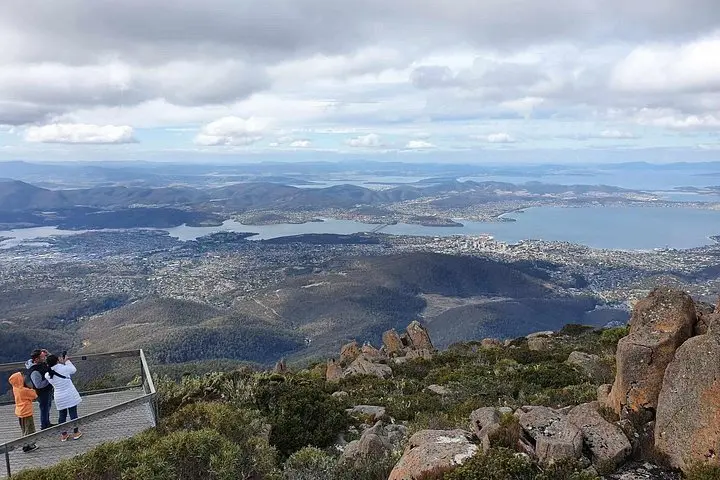
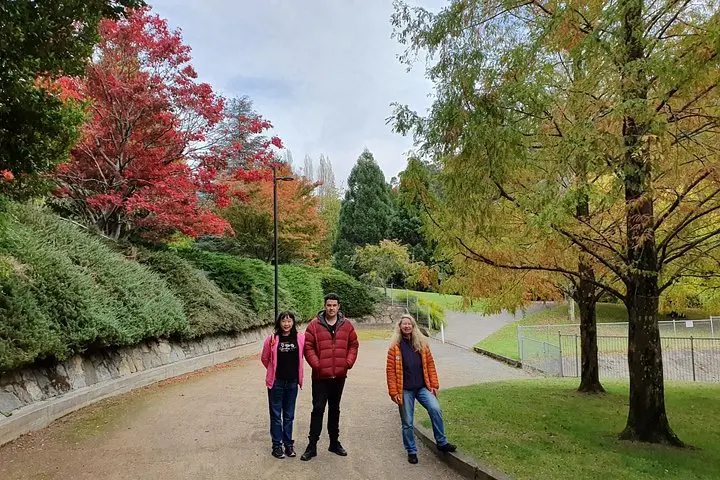
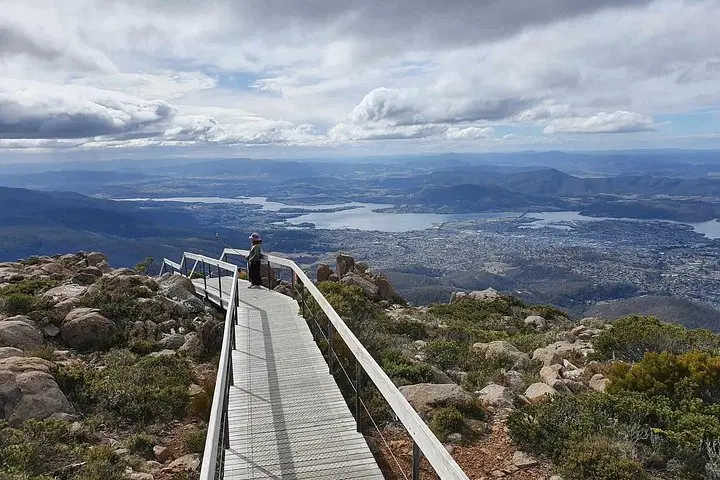
A cool wind cuts across the summit road and the city of Hobart unfolds below like a well-ordered map. On a half-day driving tour up Mt Wellington (kunanyi) the landscape changes fast: manicured lawns at Cascade give way to fern-lined gullies at Fern Tree, then to the stubby, wind-sculpted snow gums and dolerite pavements above the tree line.
Verified experiences and guided adventures in the surrounding area.
Operated by Island of Tasmania Tours · Hobart, Tasmania
A cool wind cuts across the summit road and the city of Hobart unfolds below like a well-ordered map. On a half-day driving tour up Mt Wellington (kunanyi) the landscape changes fast: manicured lawns at Cascade give way to fern-lined gullies at Fern Tree, then to the stubby, wind-sculpted snow gums and dolerite pavements above the tree line.
The mountain carries layered stories — limestone-era river action is long gone, replaced here by Jurassic dolerite columns that form the cliffs and tors visitors pause to photograph. Colonial history sits close to the city end of the route: the 1824 Cascade Brewery and the 1835 Female Factory remind visitors this land has been worked, lived on and watched over harsh weather for two centuries.
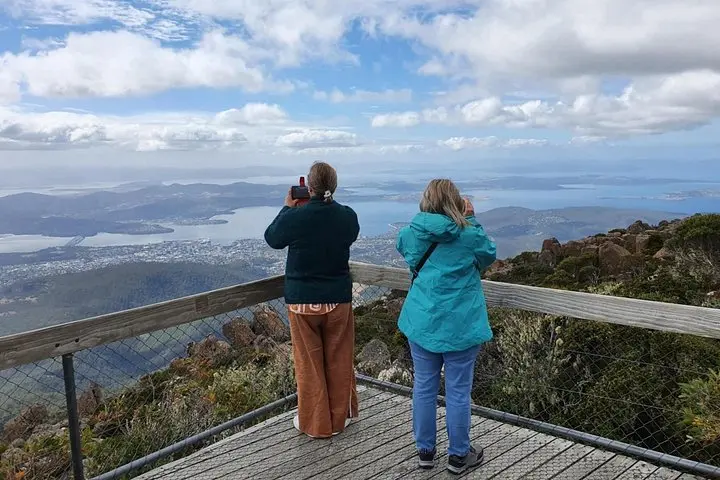
Local guides trained in botany and geology bring those elements together, pointing out flowering banksia, resilient alpine herbs and the Hobart Rivulet where platypus have been sighted. Cultural details — Indigenous connections to kunanyi and European pioneering weather forecasting at the Springs — are part of the narrative as you move between six stops, including a summit viewing platform with sightlines to Bruny Island, the Derwent and the Tasman Peninsula.
Practical edge: weather can turn quickly at 1,271 m, so plan for 4 hours, dress in layers, bring water and sturdy shoes for short walks at stops. Public transport and a central Hobart meeting point make the tour easy to join; the drives between lookouts do most of the climbing, so the experience is all about observing, learning and short, manageable walks.
Meeting point is the corner of Davey and Elizabeth Street in Hobart, outside the Tasmanian Travel Information Centre; the tour returns to the same spot.
Yes; the tour is family-friendly and infant/child seats are available with 24-hour notice—confirm when booking.
Yes—there are several short, easy walks from parking areas at the Springs, Chalet and summit viewing platforms; most stops last 10–50 minutes.
Keep an eye on the Hobart Rivulet for platypus sightings and scan open areas and thermals for raptors like wedge-tailed eagles.
Island of Tasmania Tours operates guided outdoor trips and adventures with an emphasis on safety, stewardship, and memorable experiences.
A cool wind cuts across the summit road and the city of Hobart unfolds below like a well-ordered map. On a half-day driving tour up Mt Wellington (kunanyi) the landscape changes fast: manicured lawns at Cascade give way to fern-lined gullies at Fern Tree, then to the stubby, wind-sculpted snow gums and dolerite pavements above the tree line.
A cool wind cuts across the summit road and the city of Hobart unfolds below like a well-ordered map. On a half-day driving tour up Mt Wellington (kunanyi) the landscape changes fast: manicured lawns at Cascade give way to fern-lined gullies at Fern Tree, then to the stubby, wind-sculpted snow gums and dolerite pavements above the tree line.
The mountain carries layered stories — limestone-era river action is long gone, replaced here by Jurassic dolerite columns that form the cliffs and tors visitors pause to photograph. Colonial history sits close to the city end of the route: the 1824 Cascade Brewery and the 1835 Female Factory remind visitors this land has been worked, lived on and watched over harsh weather for two centuries.
Local guides trained in botany and geology bring those elements together, pointing out flowering banksia, resilient alpine herbs and the Hobart Rivulet where platypus have been sighted. Cultural details — Indigenous connections to kunanyi and European pioneering weather forecasting at the Springs — are part of the narrative as you move between six stops, including a summit viewing platform with sightlines to Bruny Island, the Derwent and the Tasman Peninsula.
Practical edge: weather can turn quickly at 1,271 m, so plan for 4 hours, dress in layers, bring water and sturdy shoes for short walks at stops. Public transport and a central Hobart meeting point make the tour easy to join; the drives between lookouts do most of the climbing, so the experience is all about observing, learning and short, manageable walks.